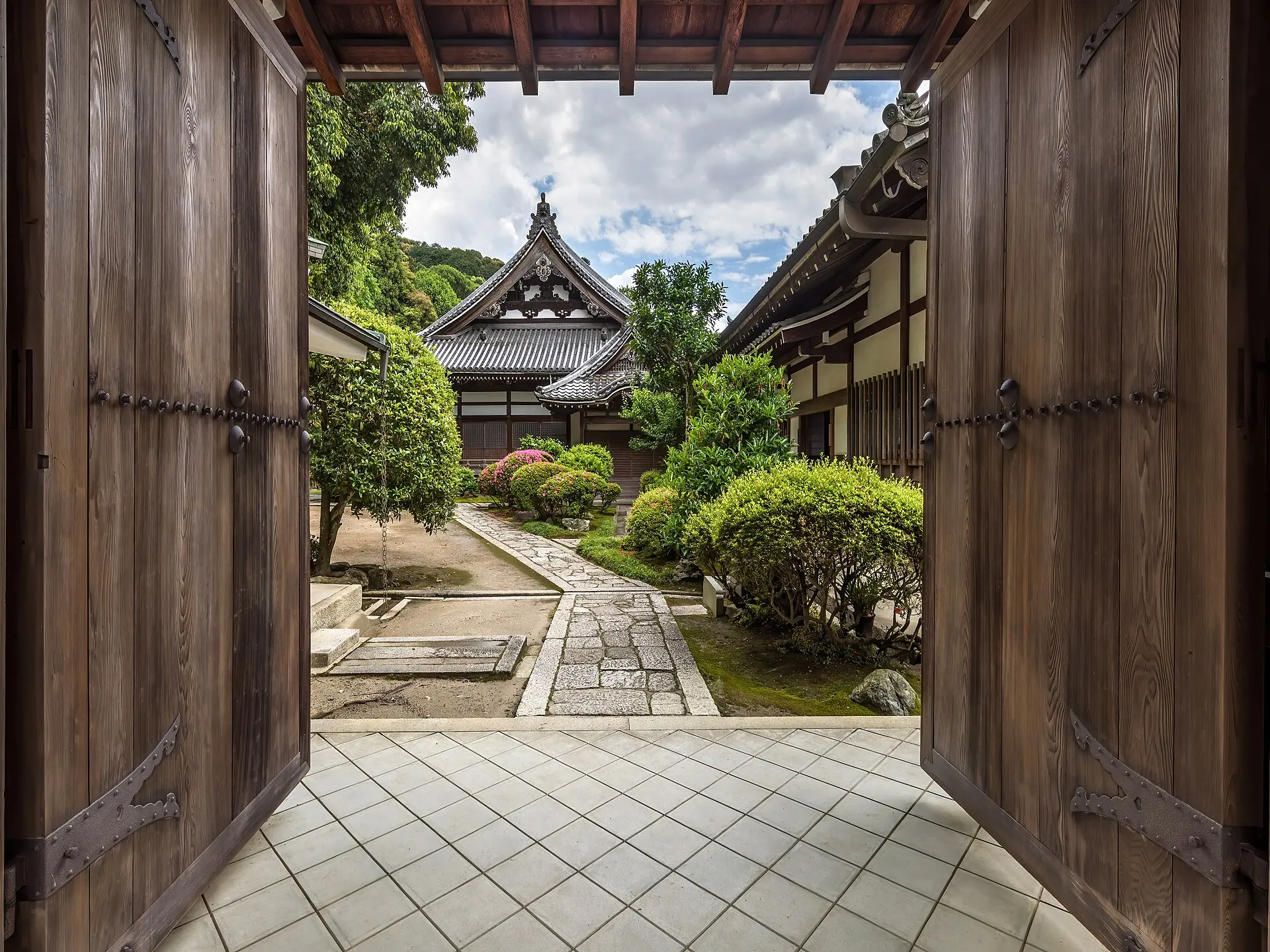
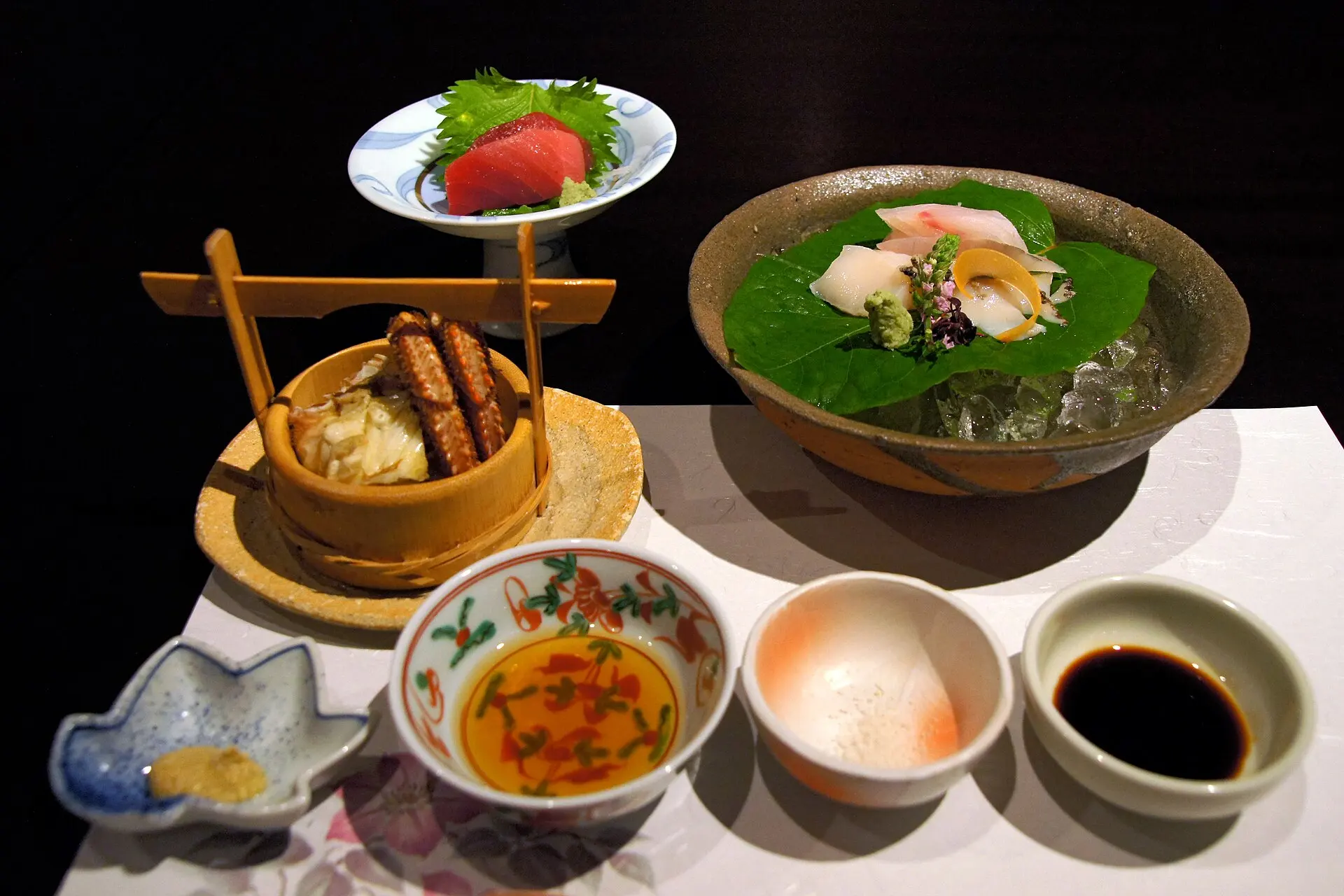
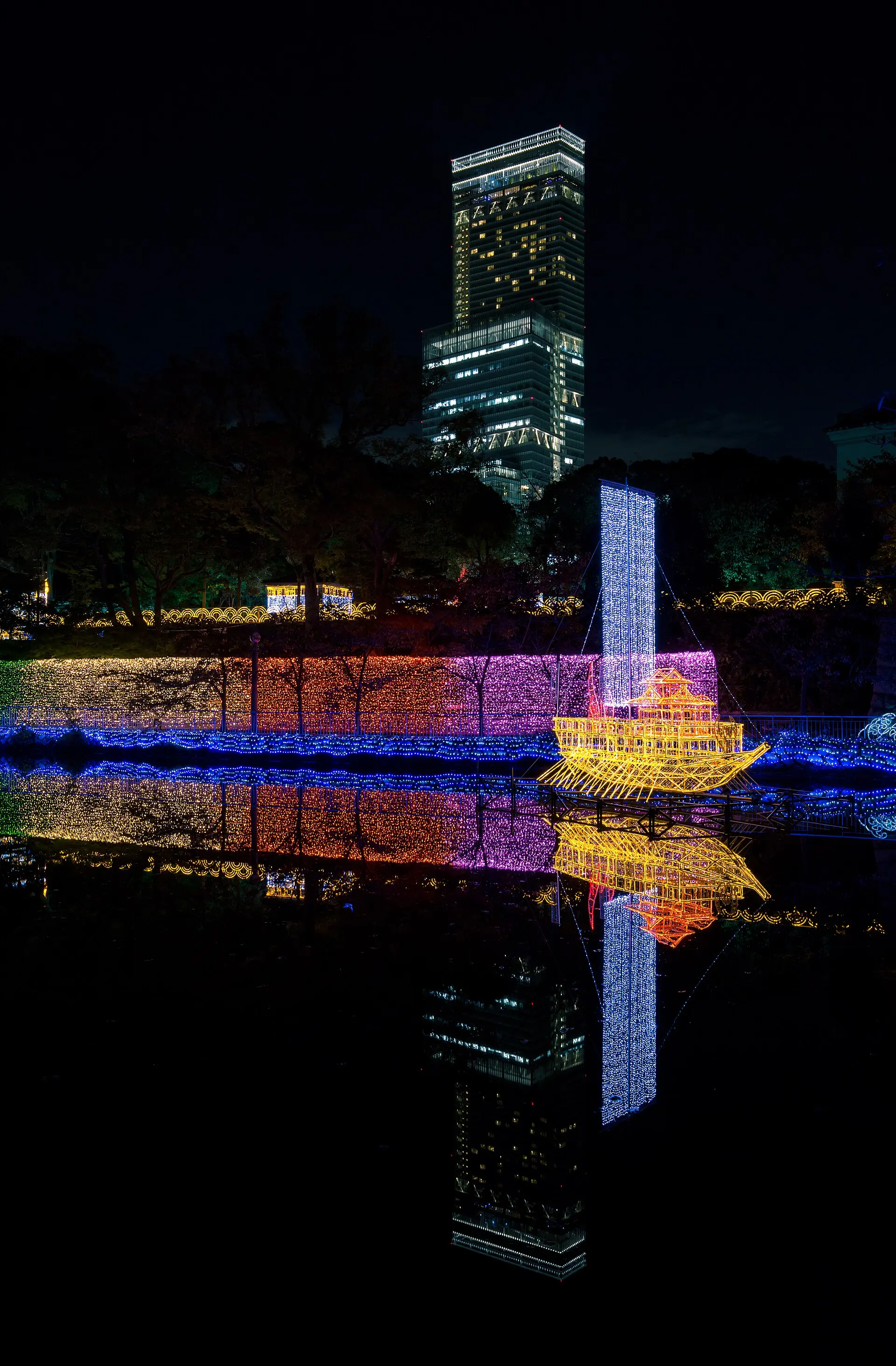
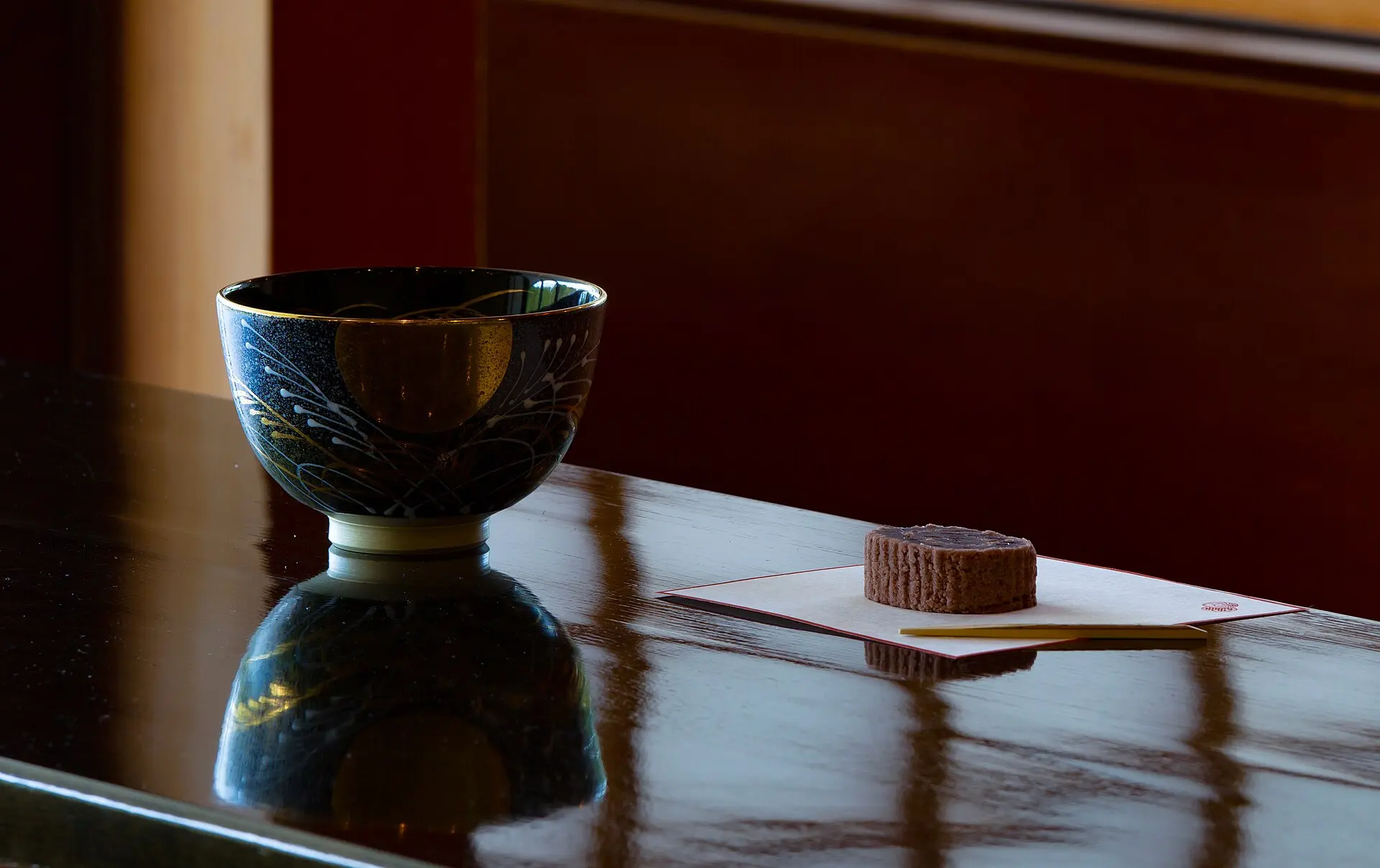
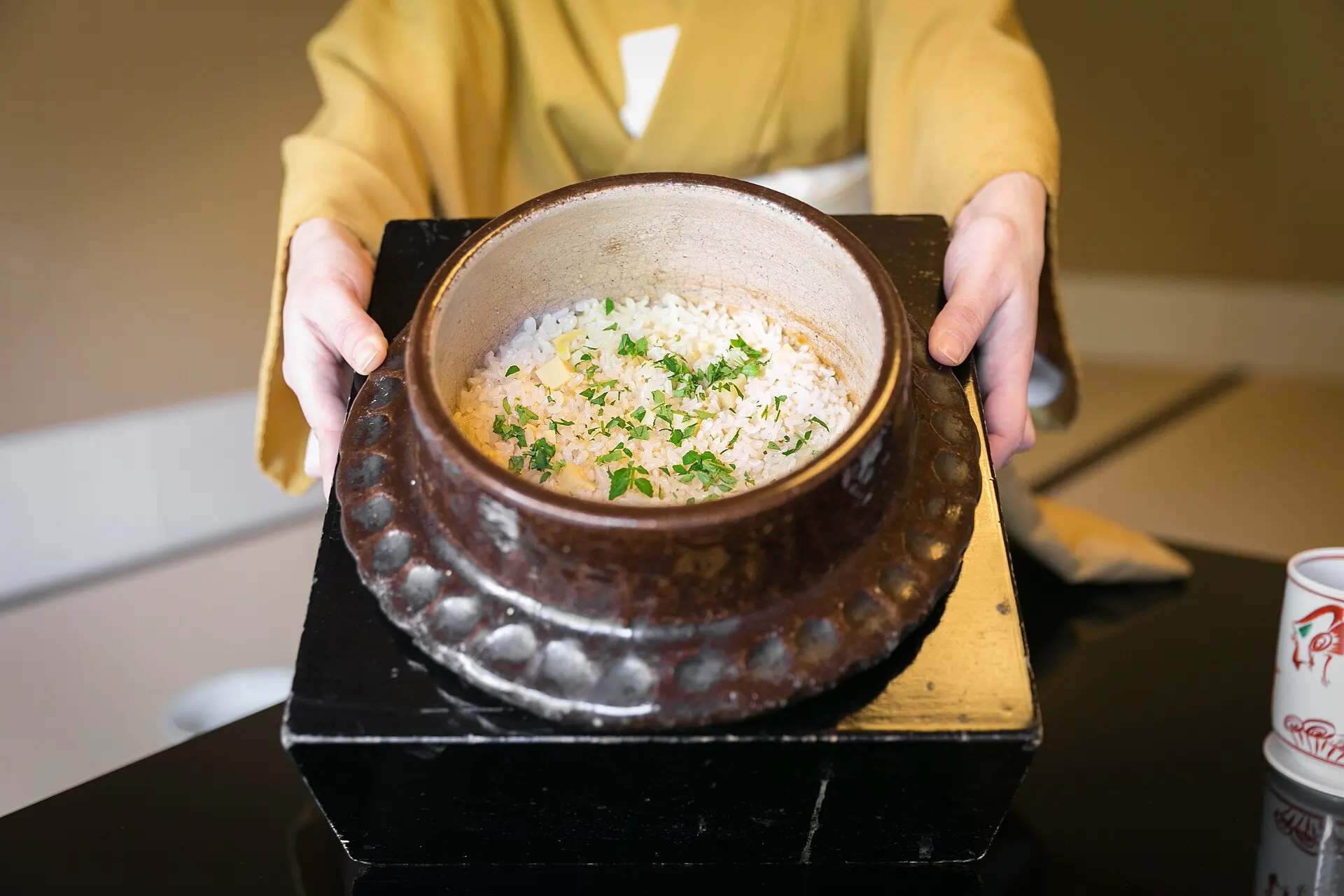
Seasonal kaiseki in Higashiyama, Kyoto, since 1912.
001JAPANESE · KAISEKI
Kikunoi Honten
菊乃井 本店
KYOTO — Higashiyama-ku
MICHELIN GUIDE · JAPAN · 2026Three Stars(as listed for 2026)
JP — EST. ARCHIVEThe finest tables of Japan
日本最高峰の一皿を、世界へ。
Chefs, ingredients, vessels, land and season — a journey through the gastronomy of Japan.
Prologue
Every dishtellsa story.
This archive is not only a place to look up restaurants. Through tables across Japan — their cooks, ingredients, vessels, rooms, seasons and land — it is a way to travel through Japanese food culture itself.
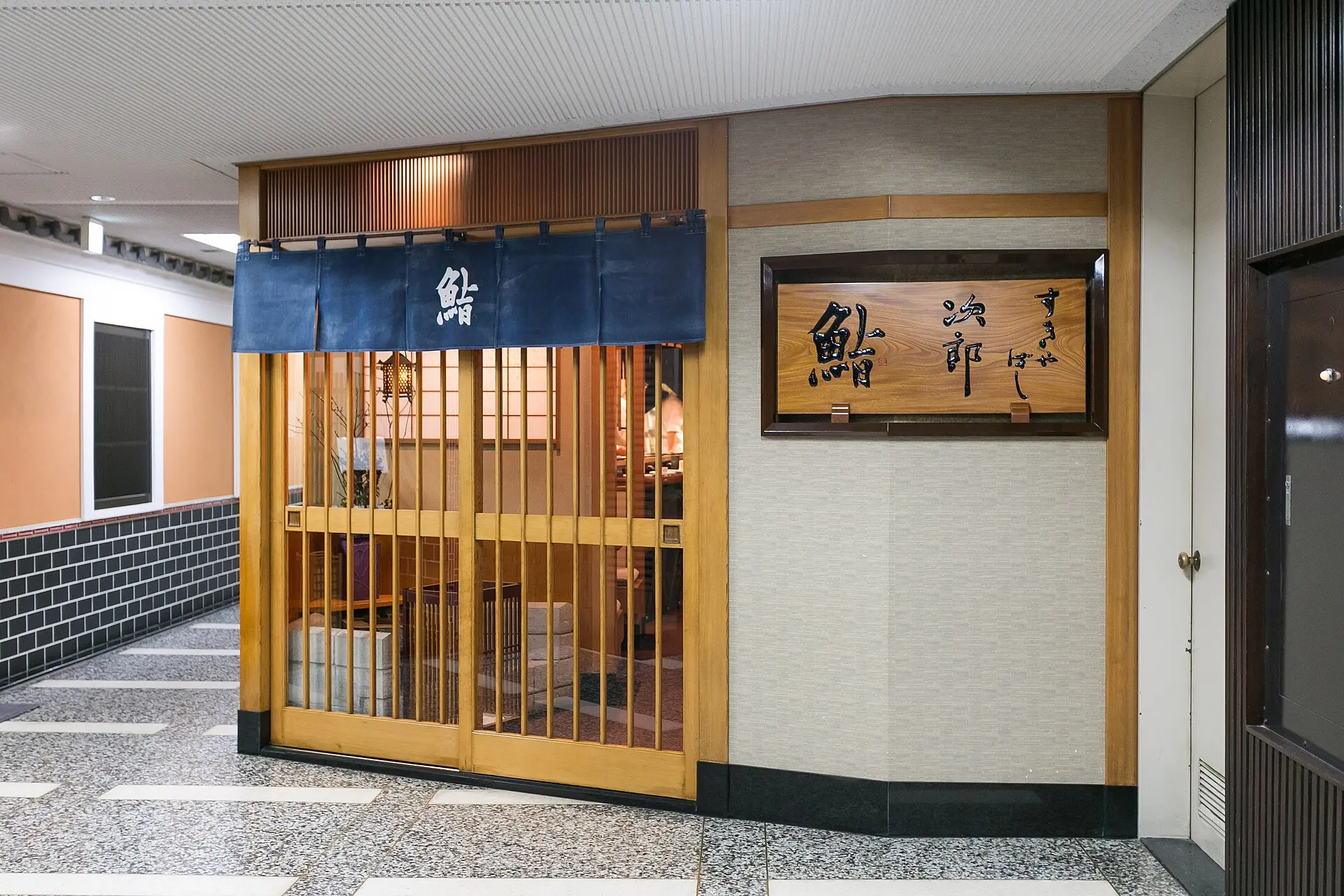 RESTAURANTSukiyabashi Jiro Main ShopTOKYO — SUSHI
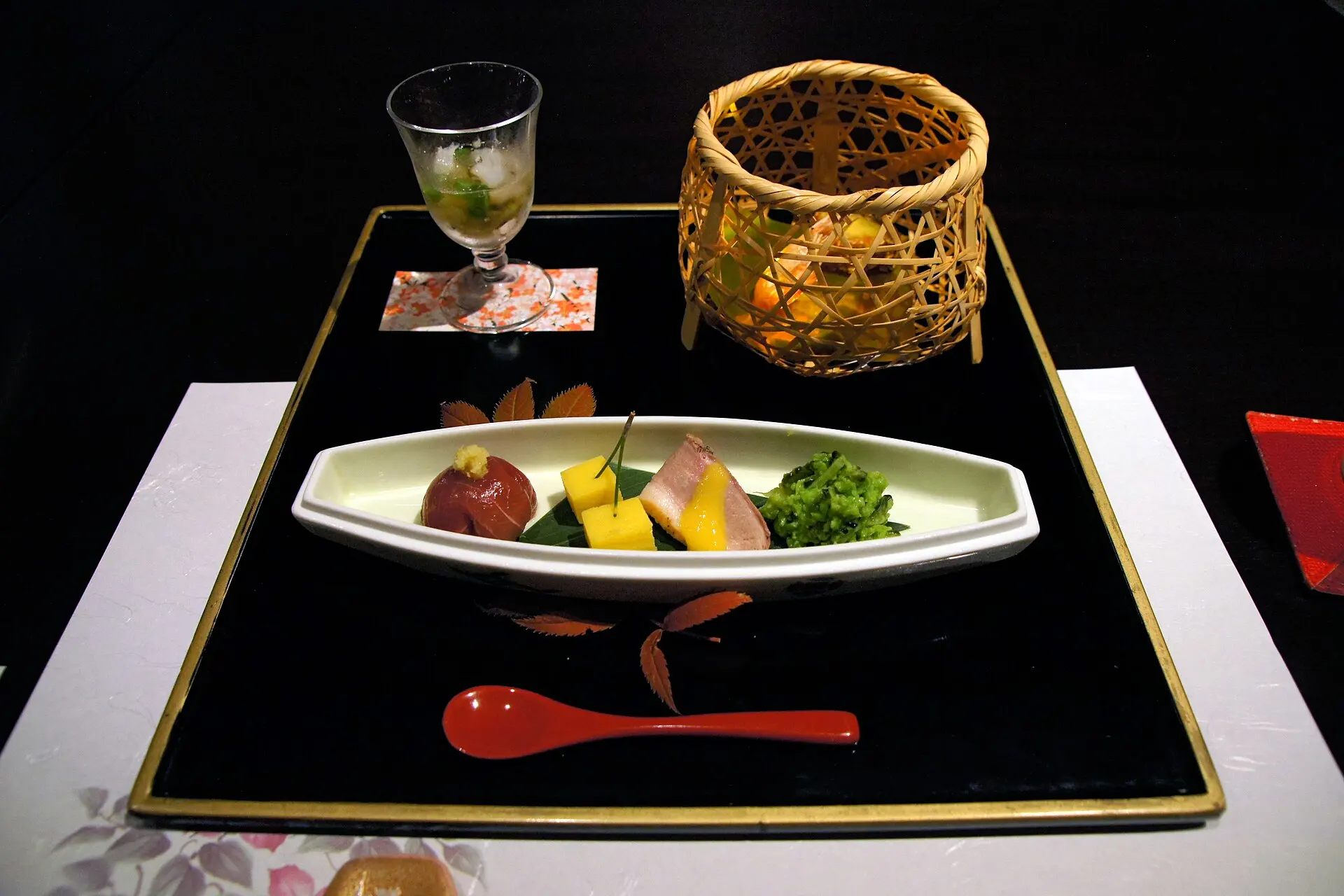
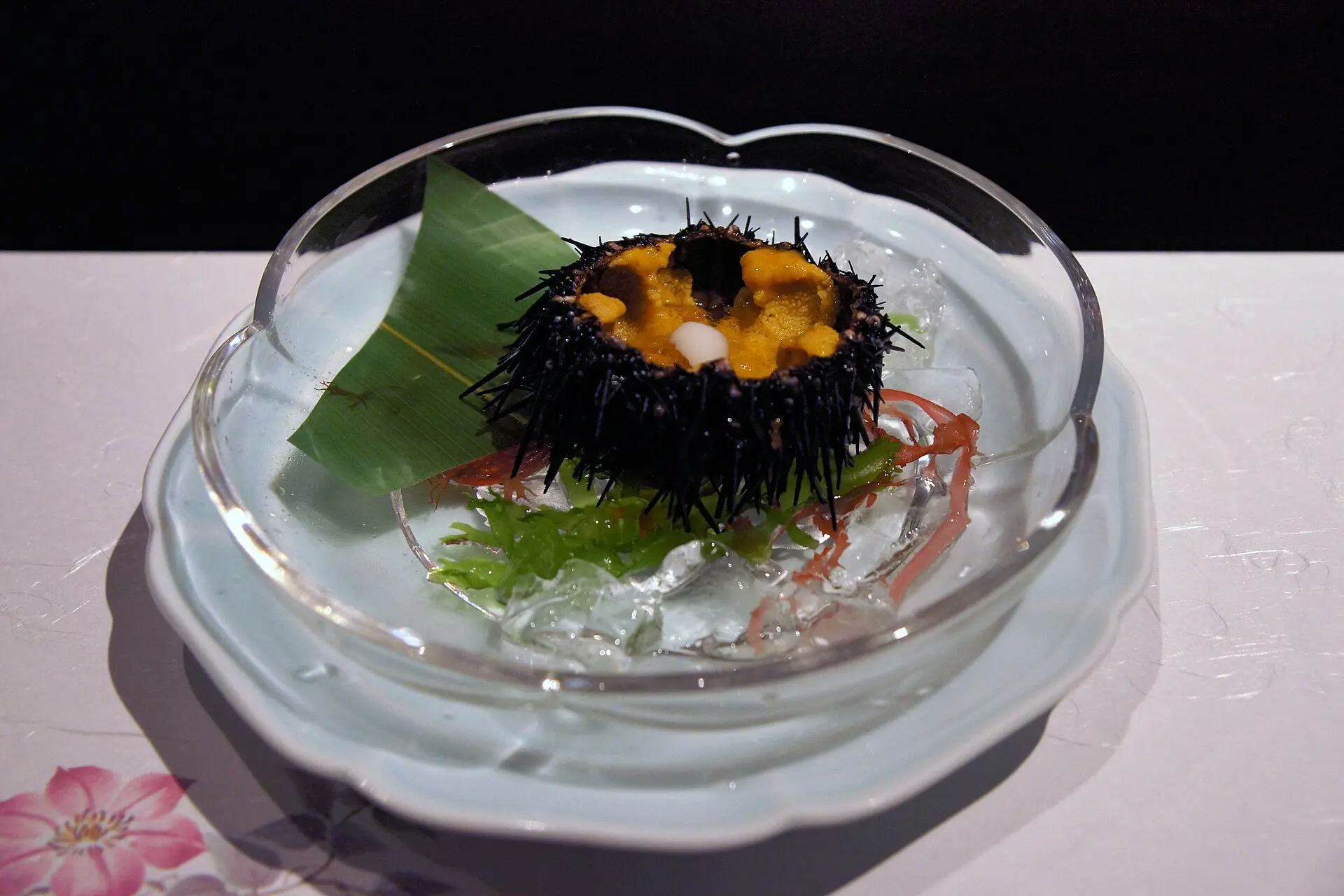 CUISINEKaisekiSakizuke (opening appetiser) of a kaiseki dinner at KAI Tsugaru, Aomori
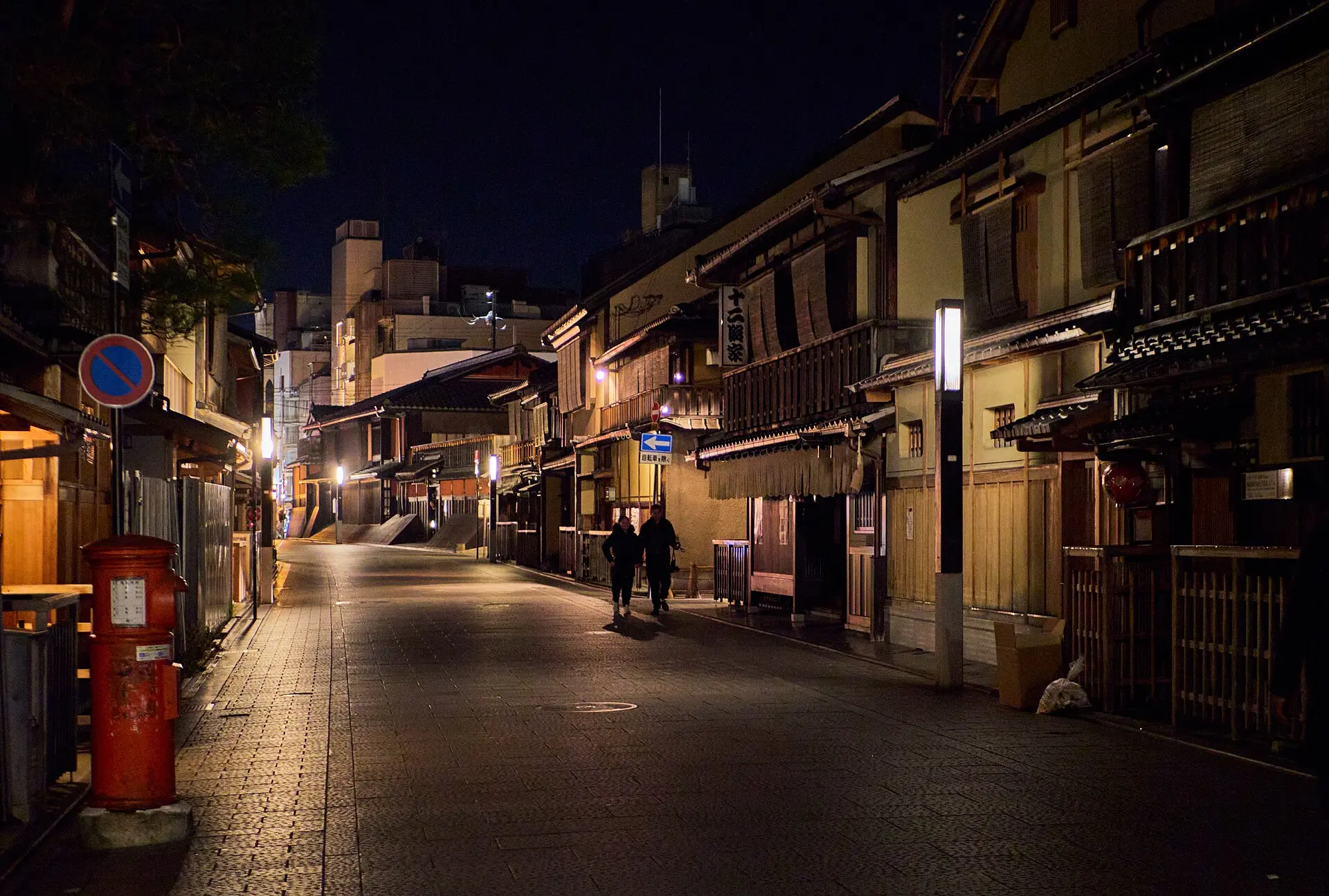 CITYKyotoA quiet street in Kyoto’s Gion district at night lined with traditional machiya townhouses
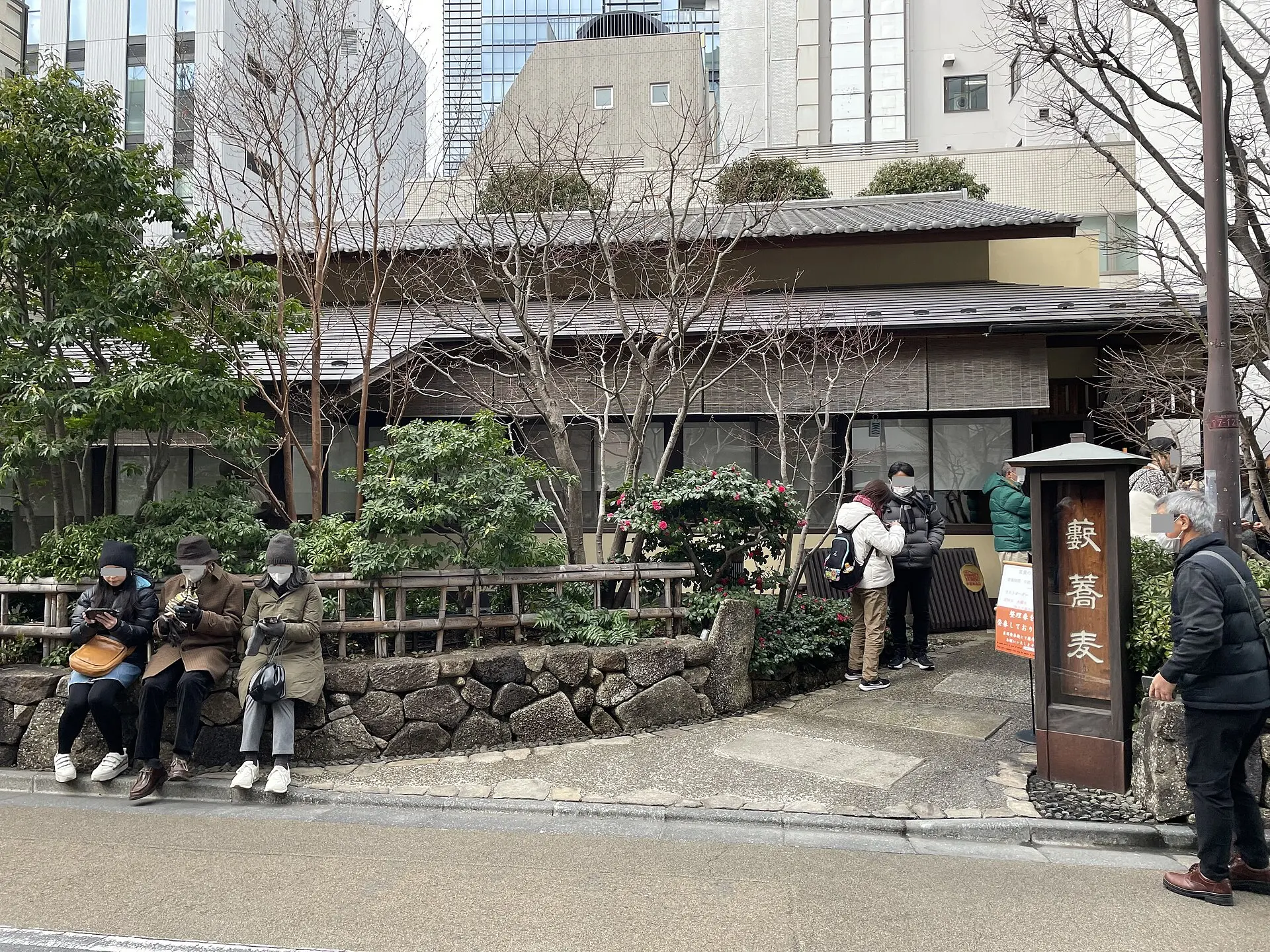 RESTAURANTKanda YabusobaTOKYO — SOBA
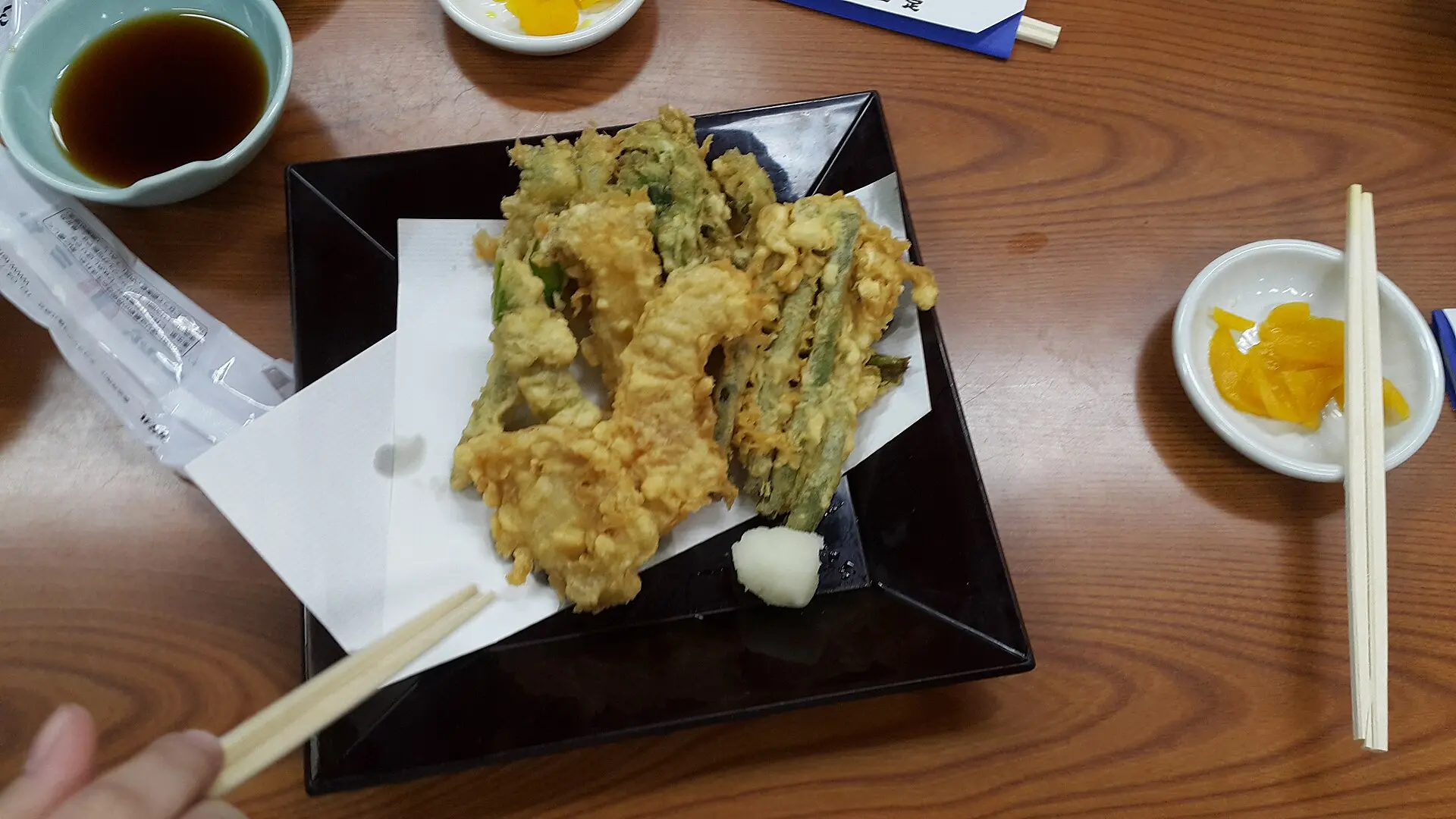 CUISINETempuraAssorted vegetable tempura at a restaurant in Asakusa, Tokyo
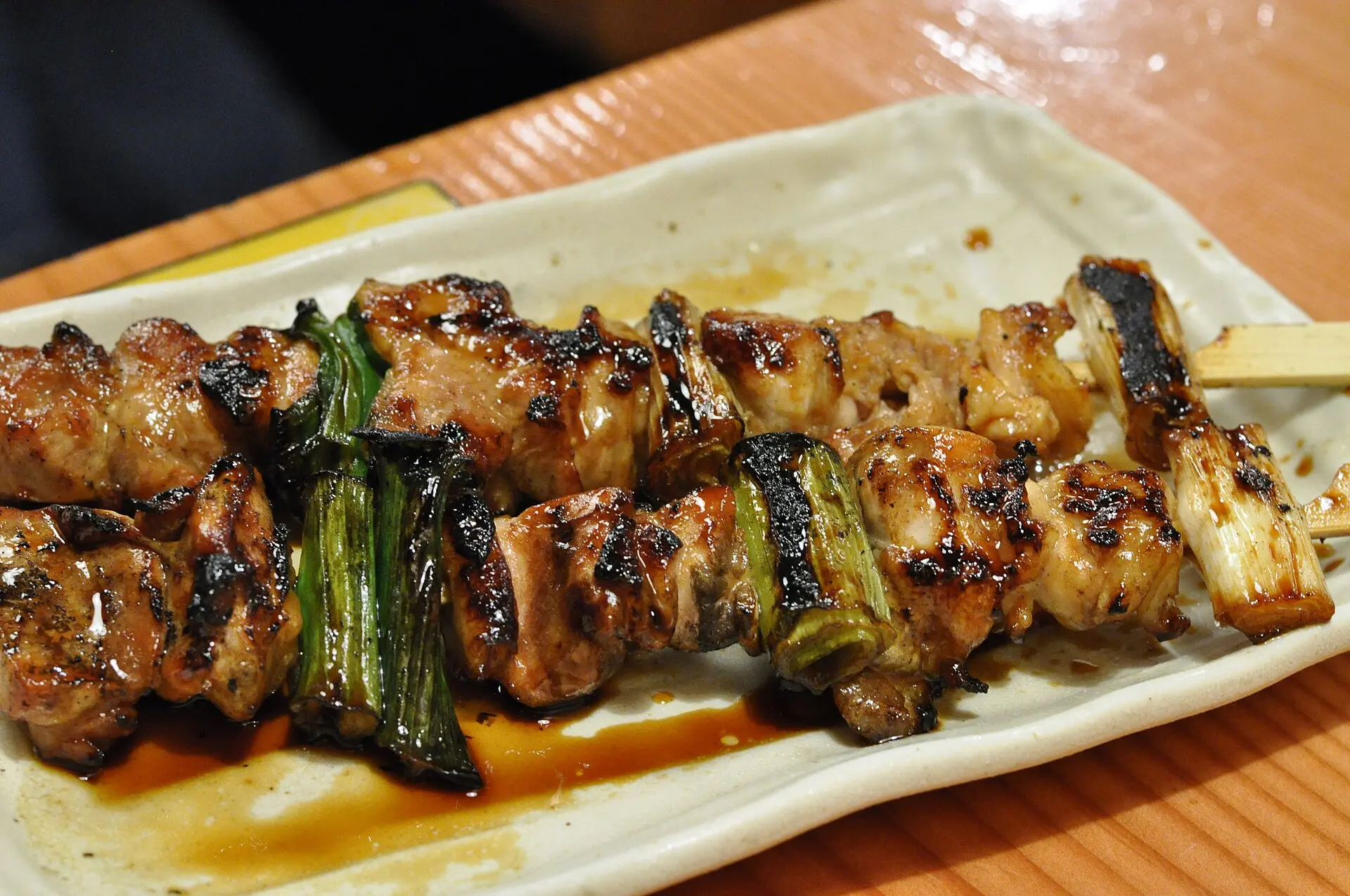 CUISINEYakitoriNegima yakitori (chicken and leek skewers)
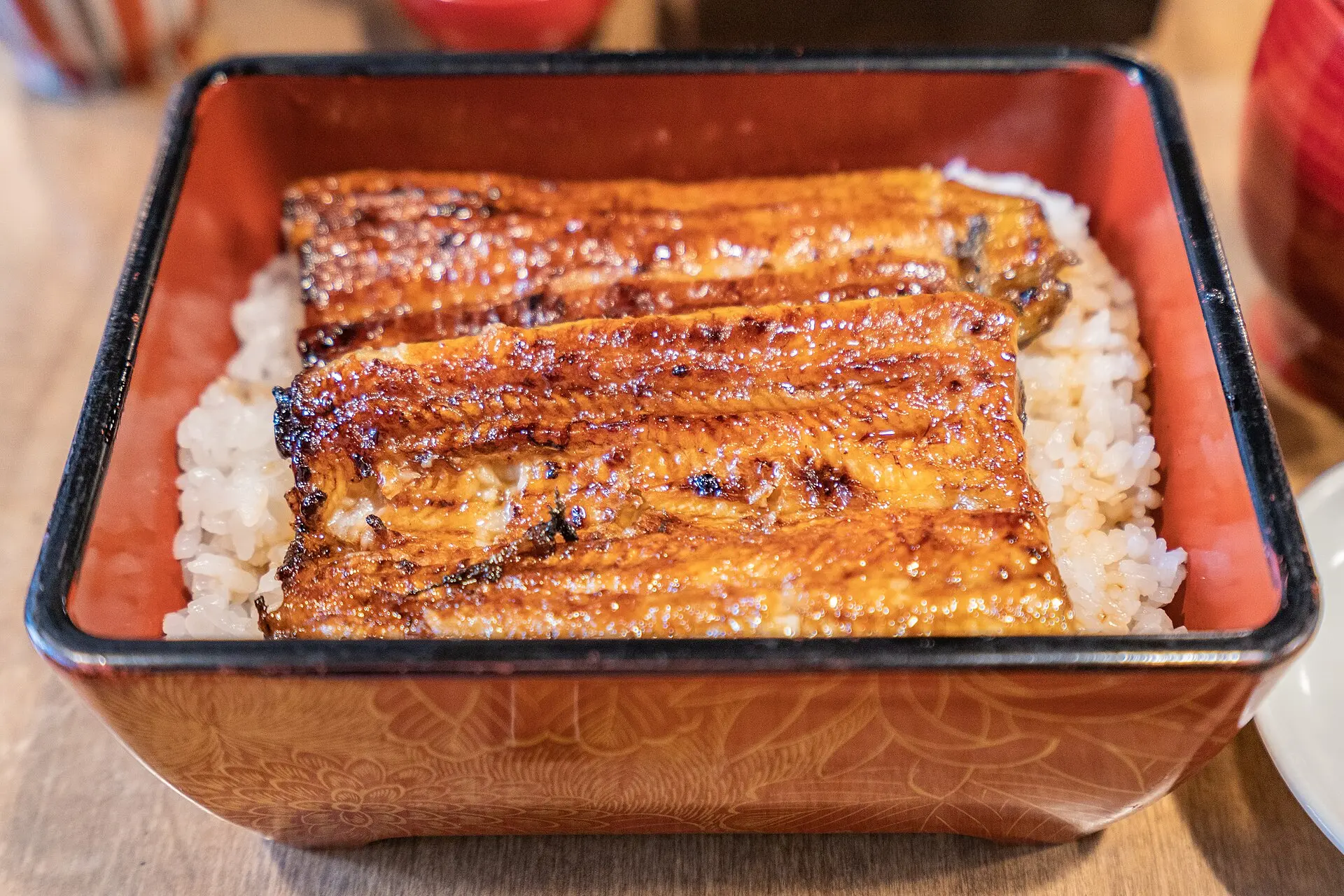 CUISINEUnagiUnaju (grilled eel over rice) at Ogawakiku, Tokyo
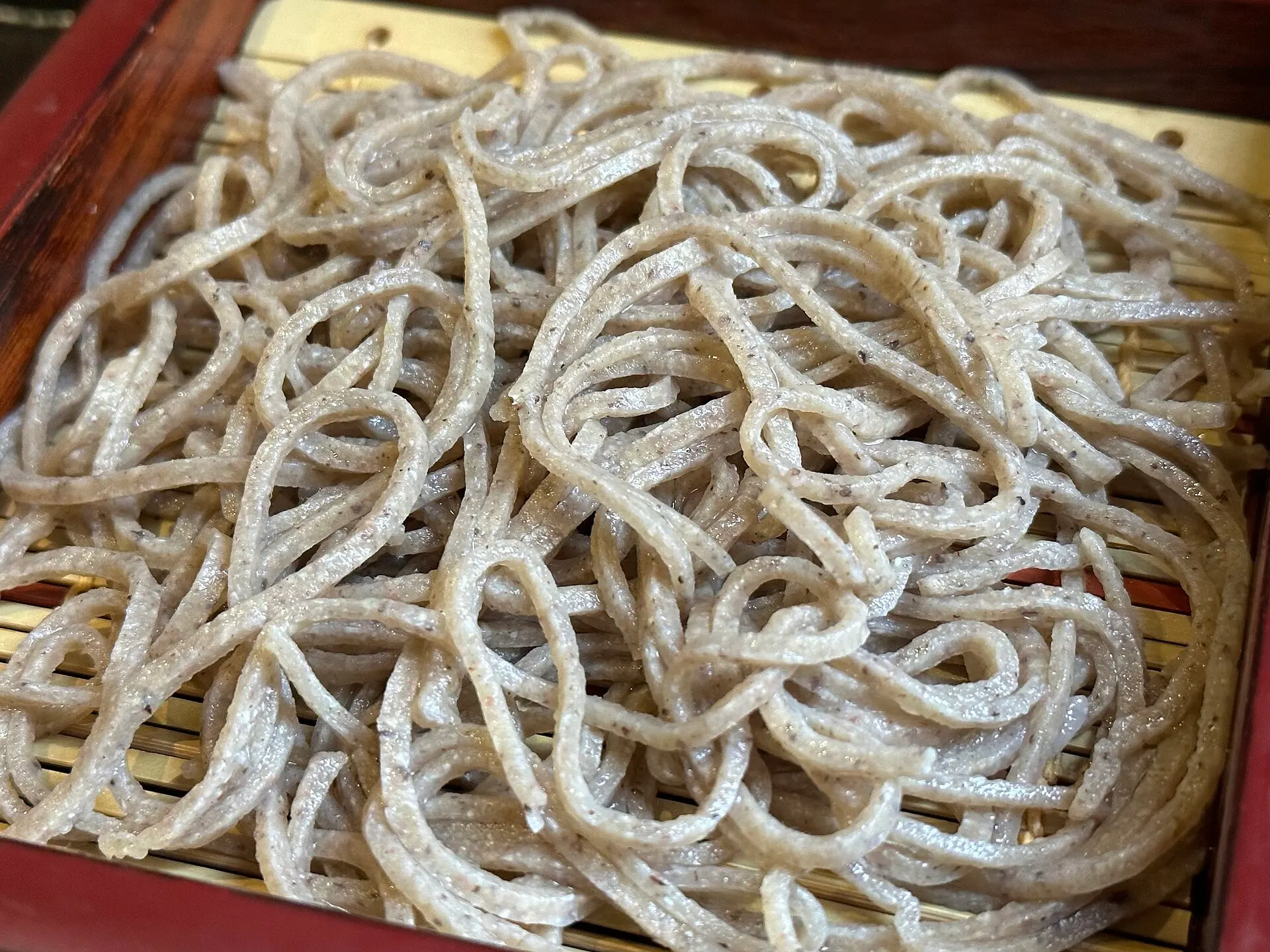 CUISINESobaZaru soba noodles at Tamawarai, Shibuya, Tokyo
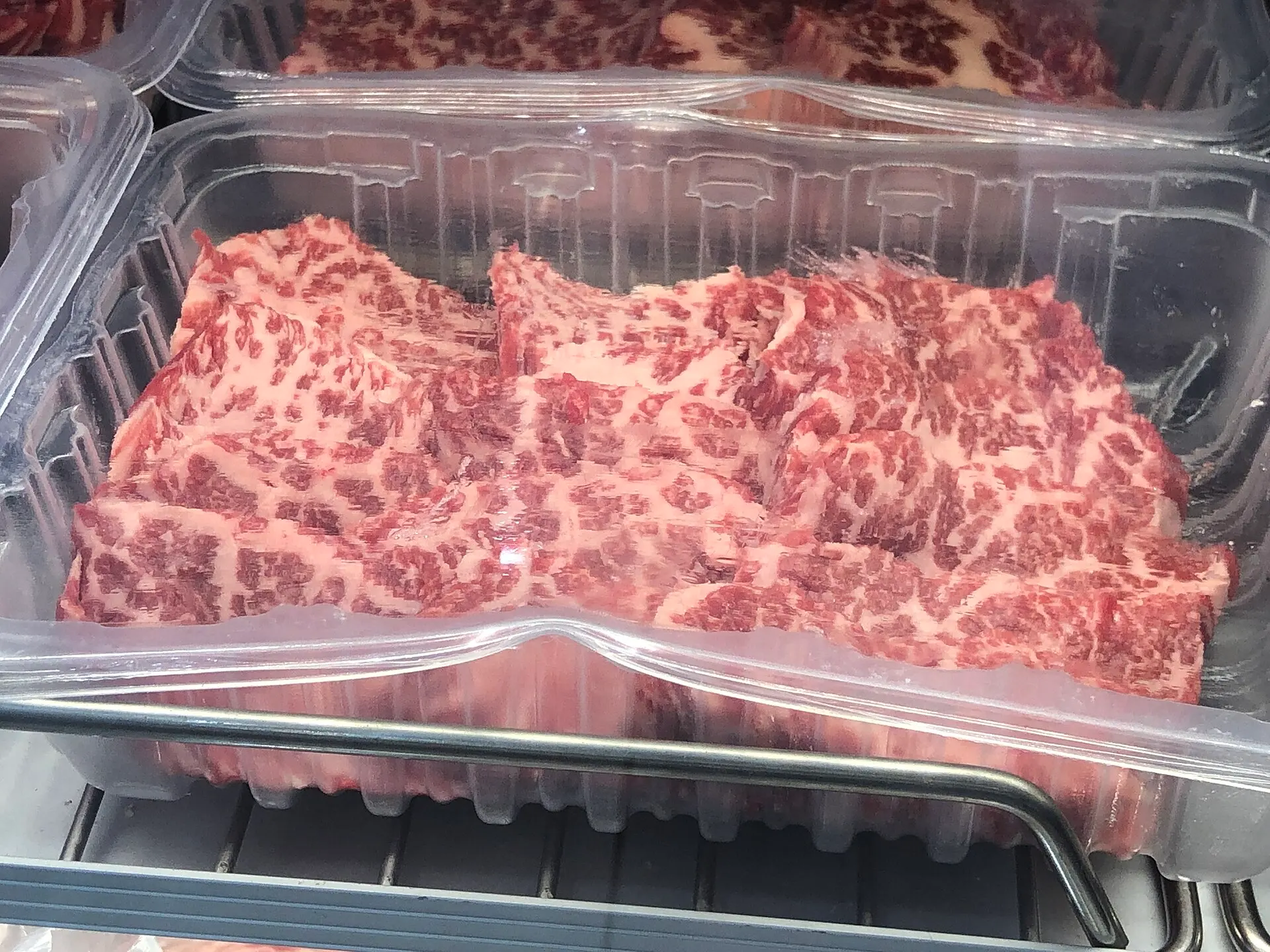 CUISINEWagyuHighly marbled raw wagyu beef (BMS 8–9) for Japanese barbecue
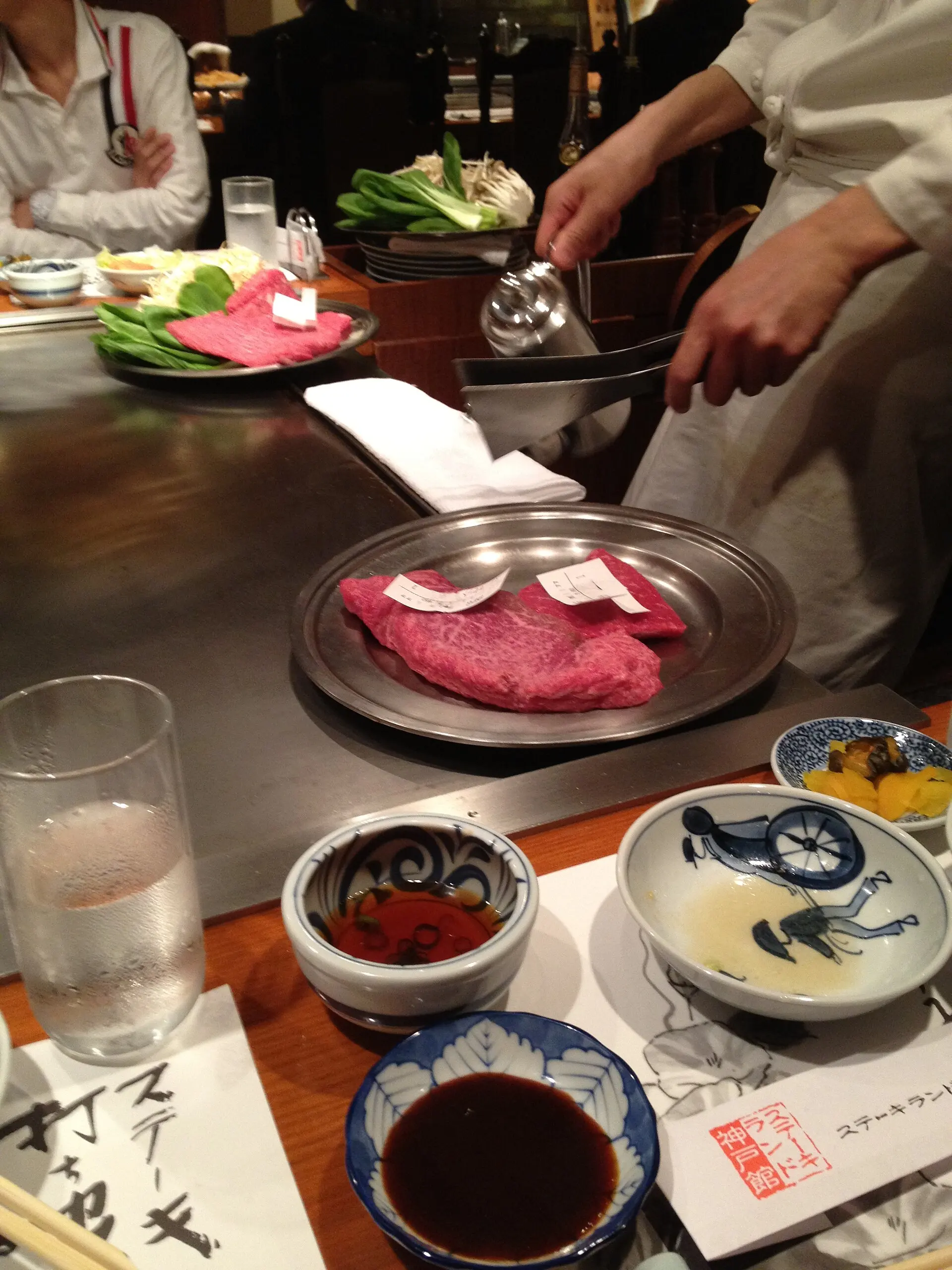 CUISINETeppanyakiKobe beef steak being prepared on a teppan griddle in Kobe
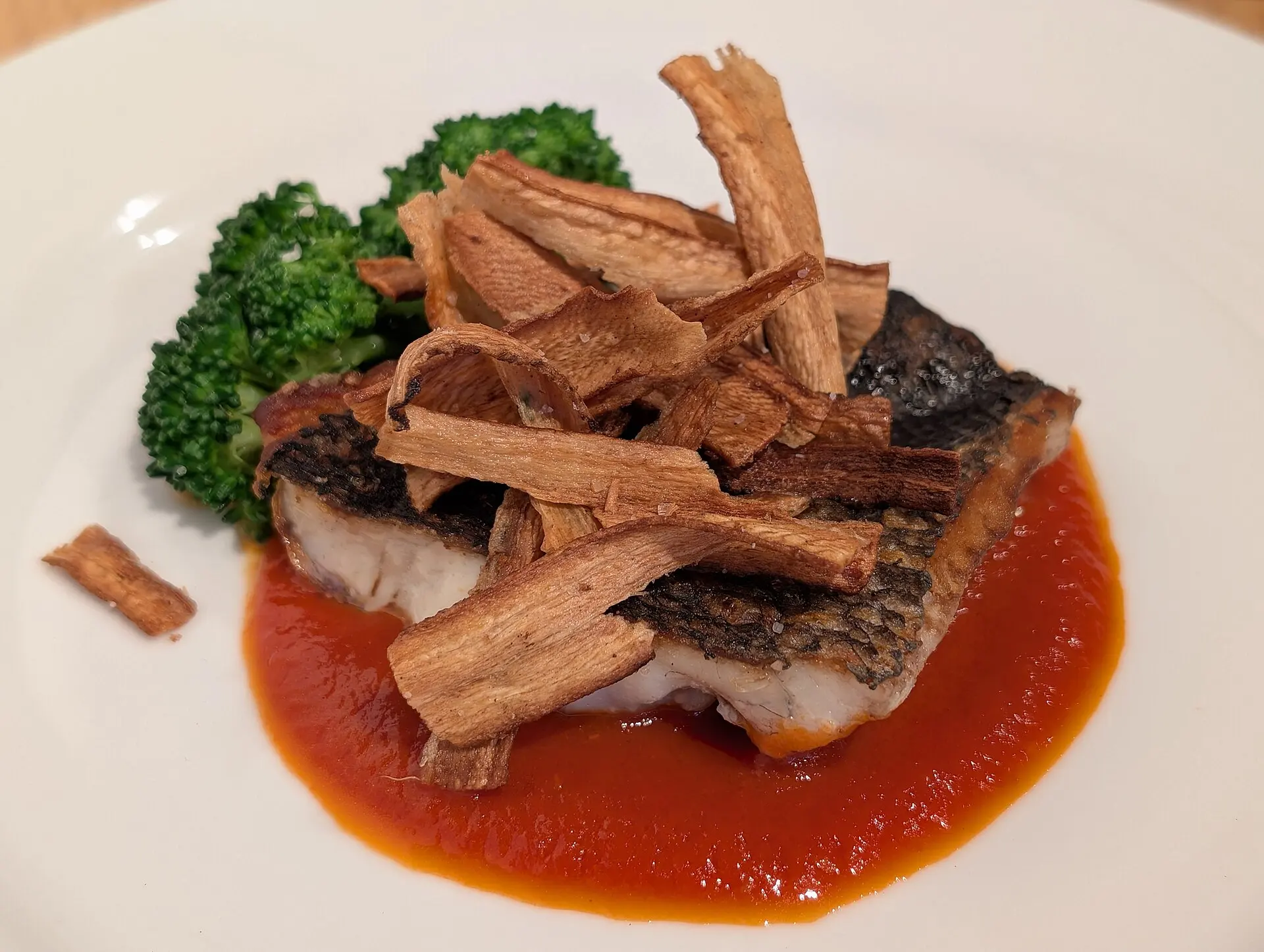 CUISINEFrenchFish with burdock root, plated at a French restaurant in Tokyo
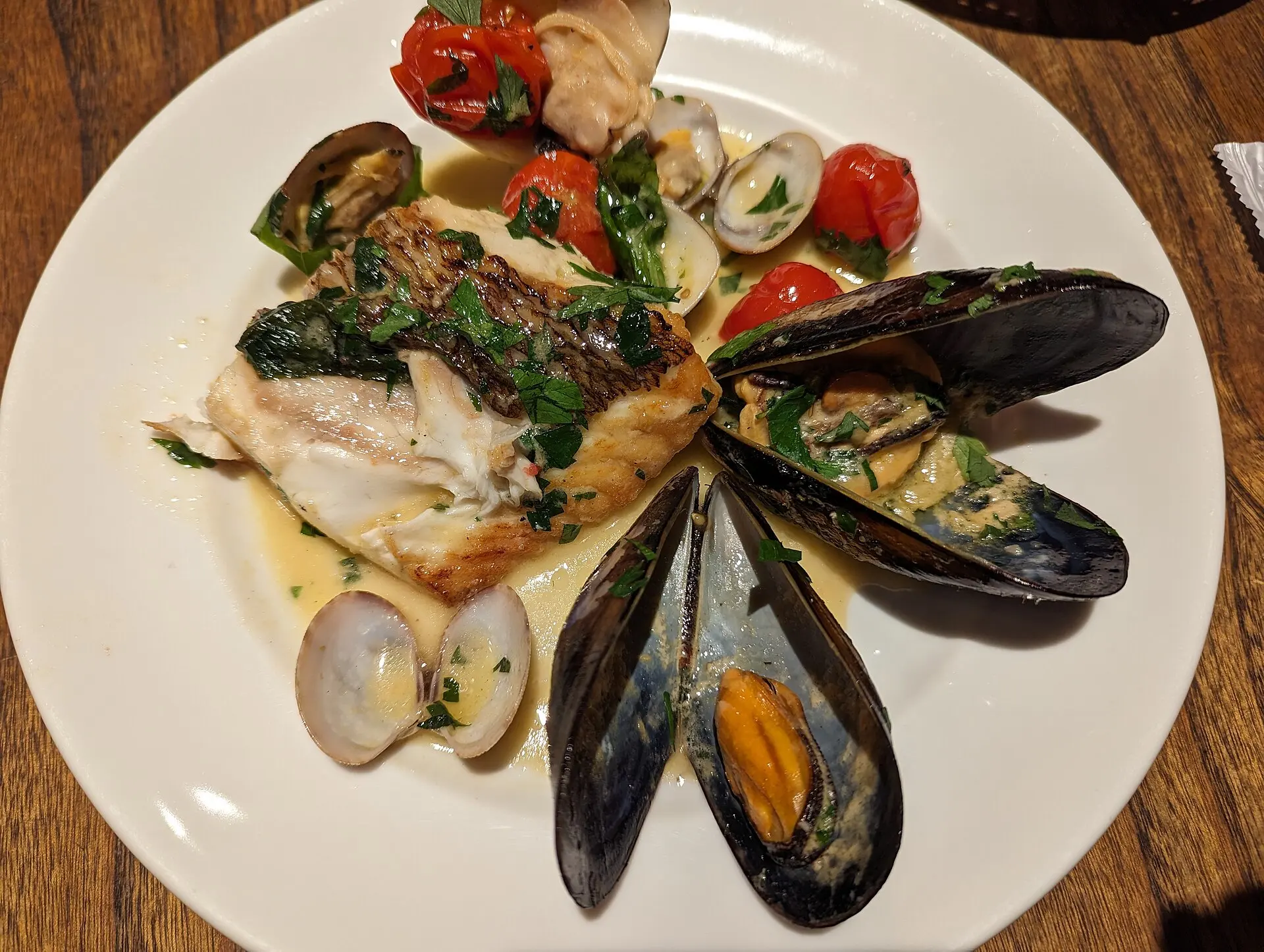 CUISINEItalianAcqua pazza at an Italian restaurant in Ebisu, Tokyo
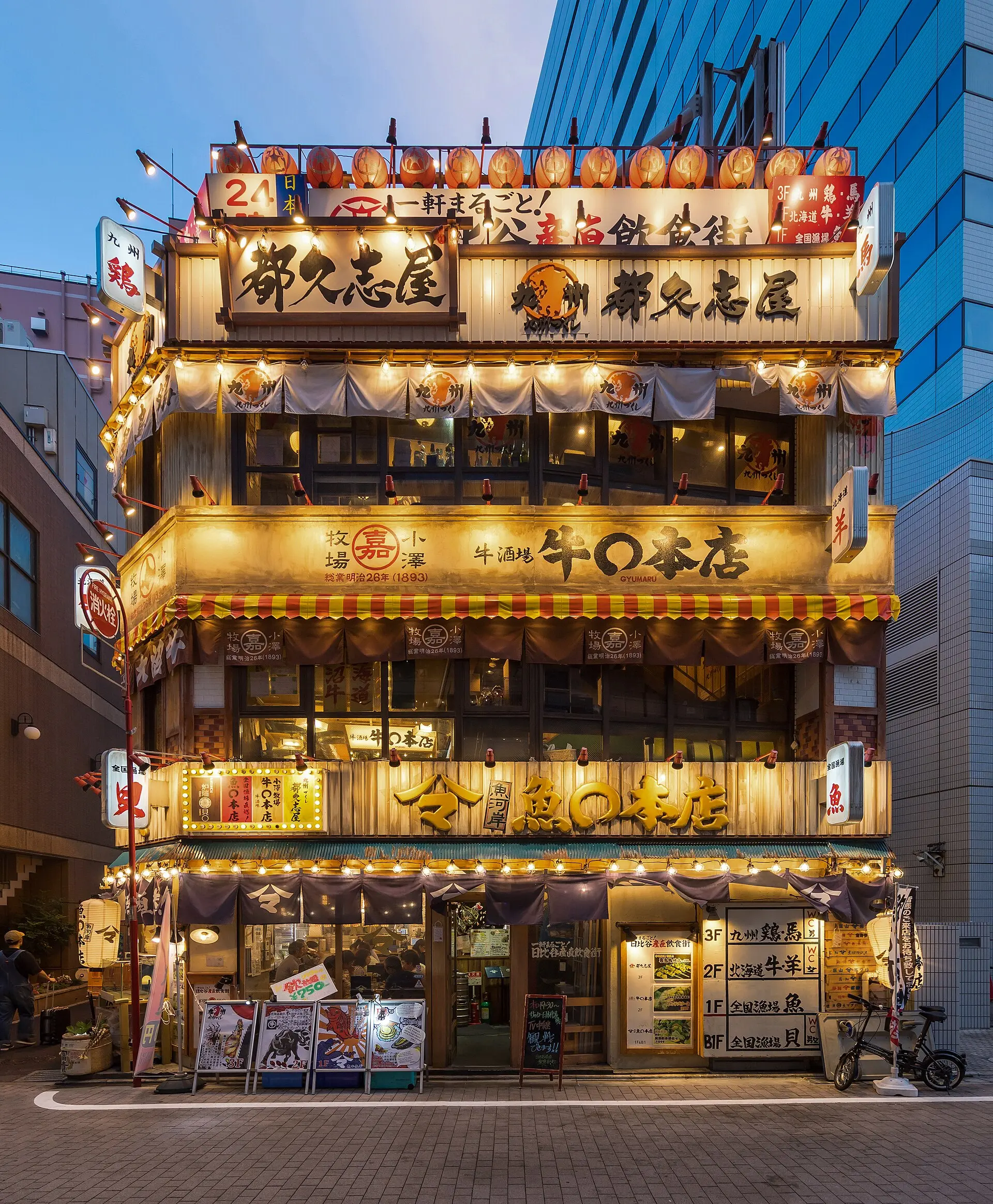 CITYTokyoIlluminated three-storey restaurant facade with red paper lanterns at blue hour in Yūrakuchō, Tokyo
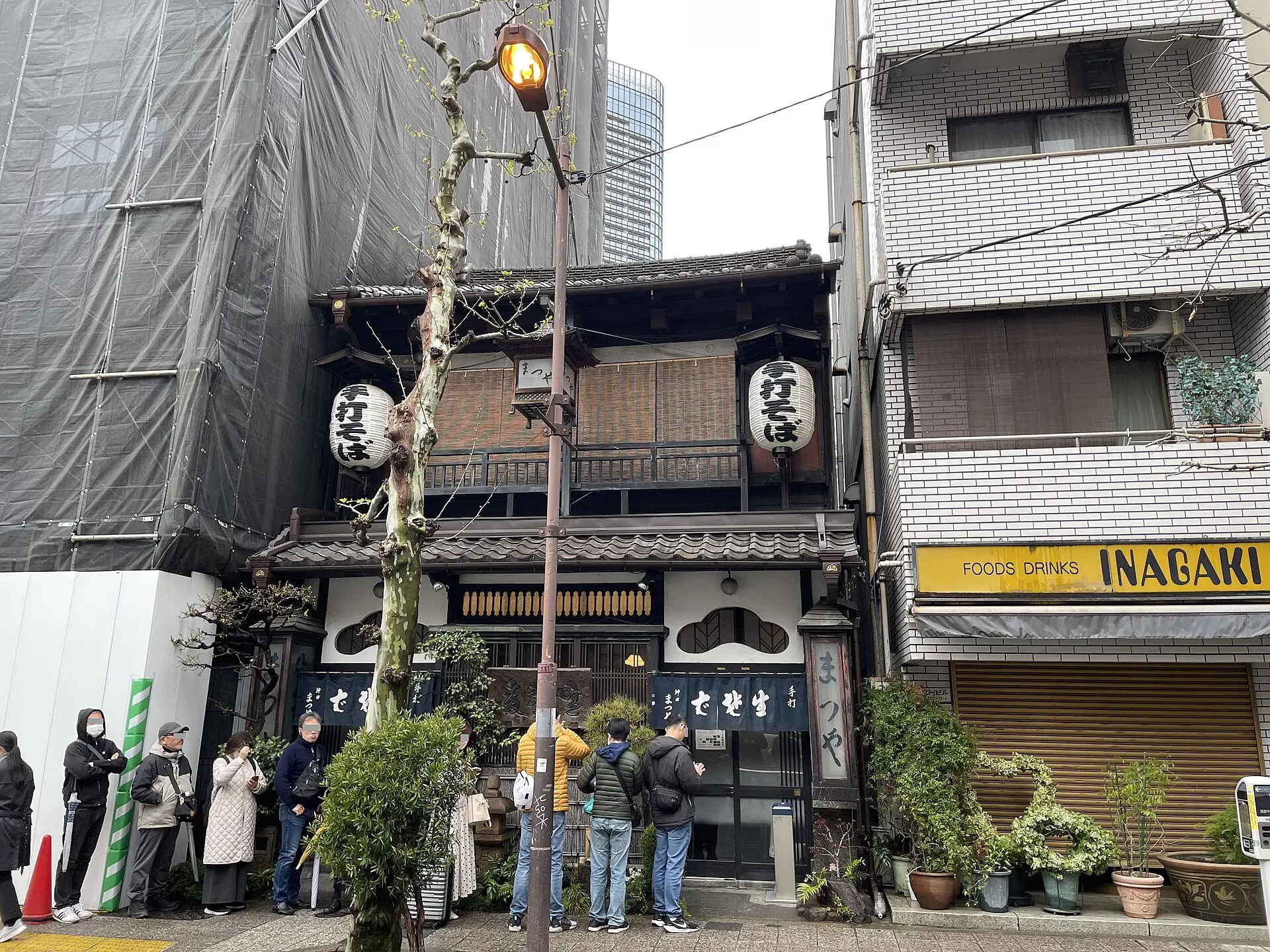 RESTAURANTKanda MatsuyaTOKYO — SOBA
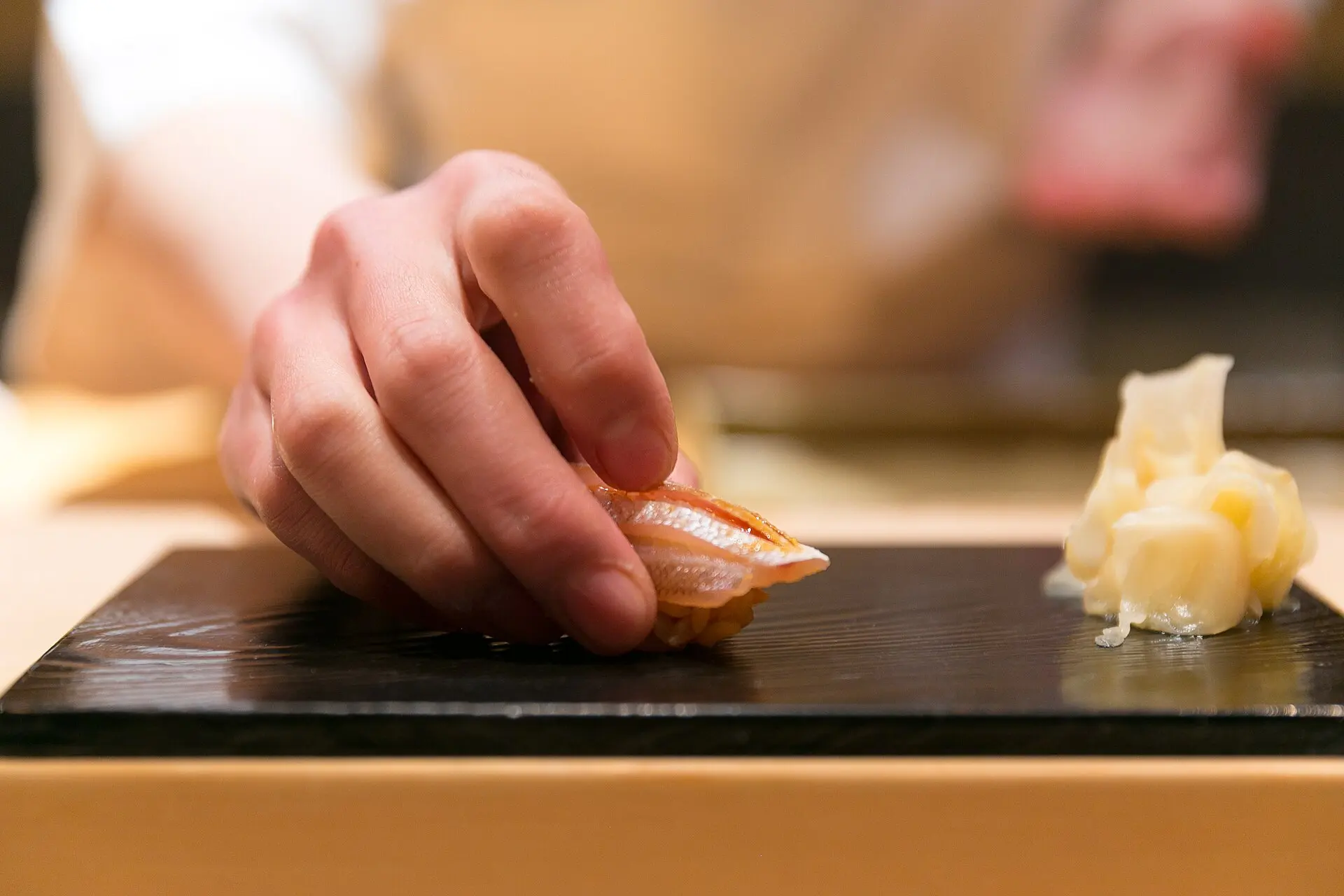
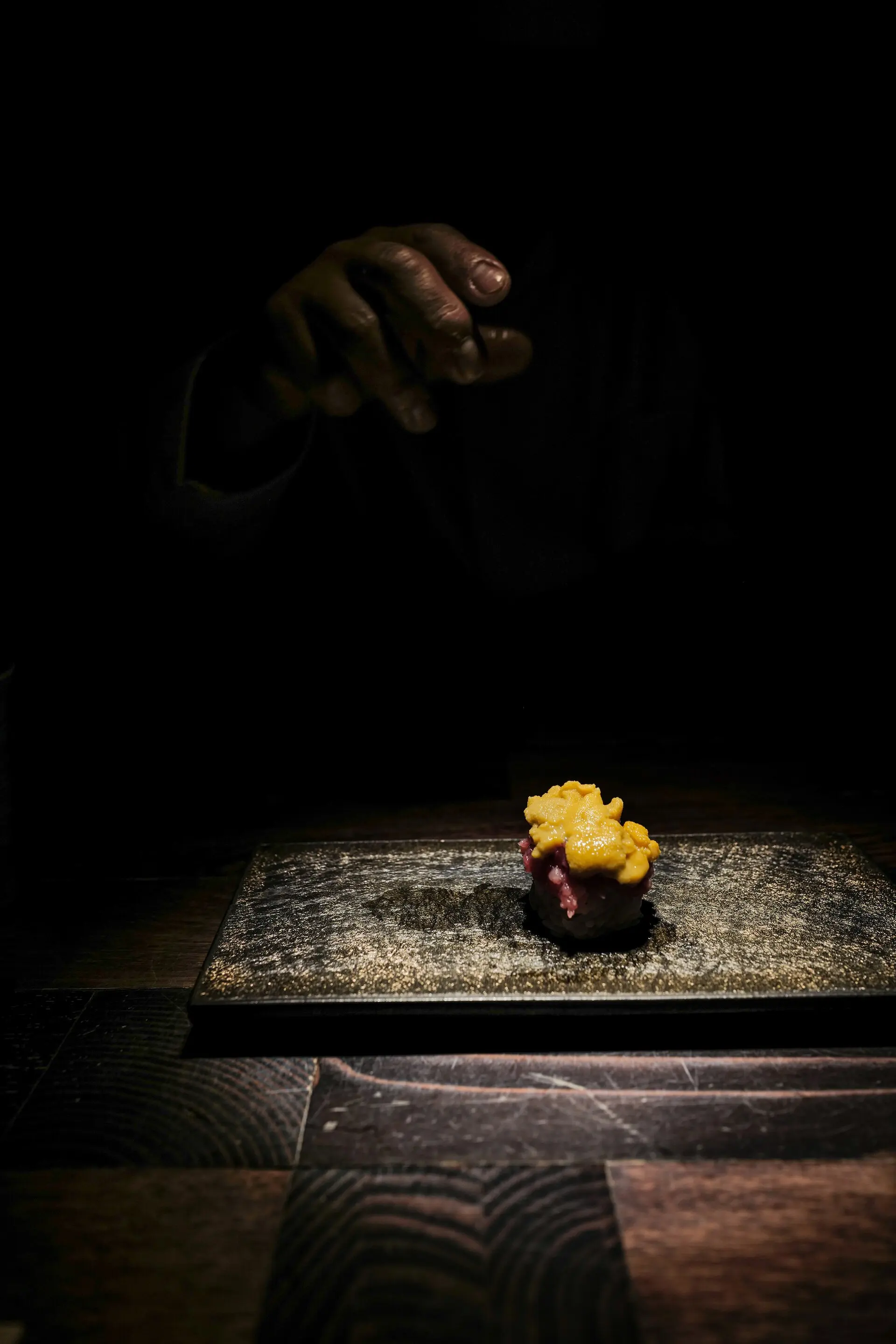 CUISINESushiA sushi chef’s hand placing a piece of sea urchin sushi during an omakase meal
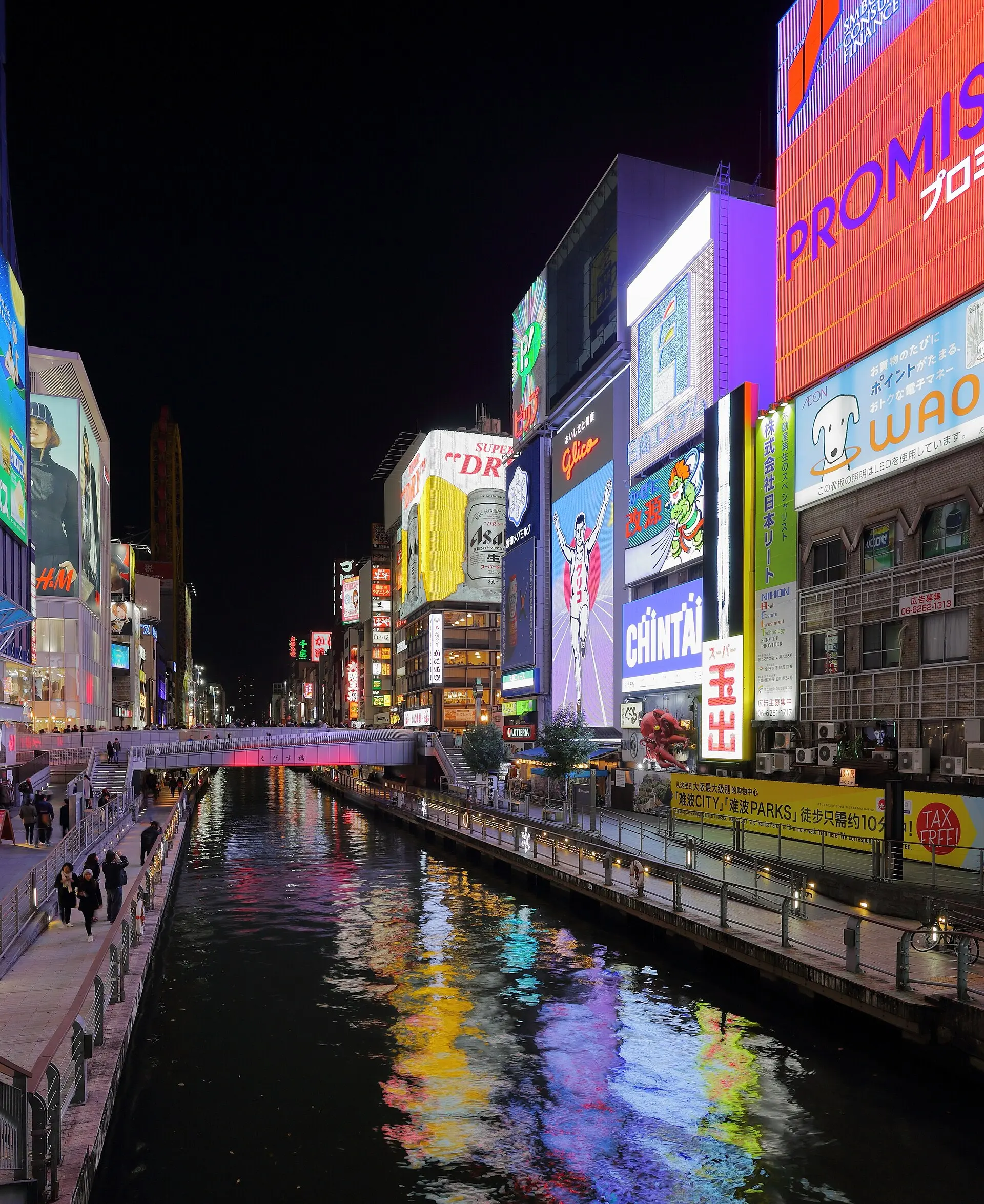 CITYOsakaWall of signboards at Ebisu Bridge on the Dōtonbori Canal at night
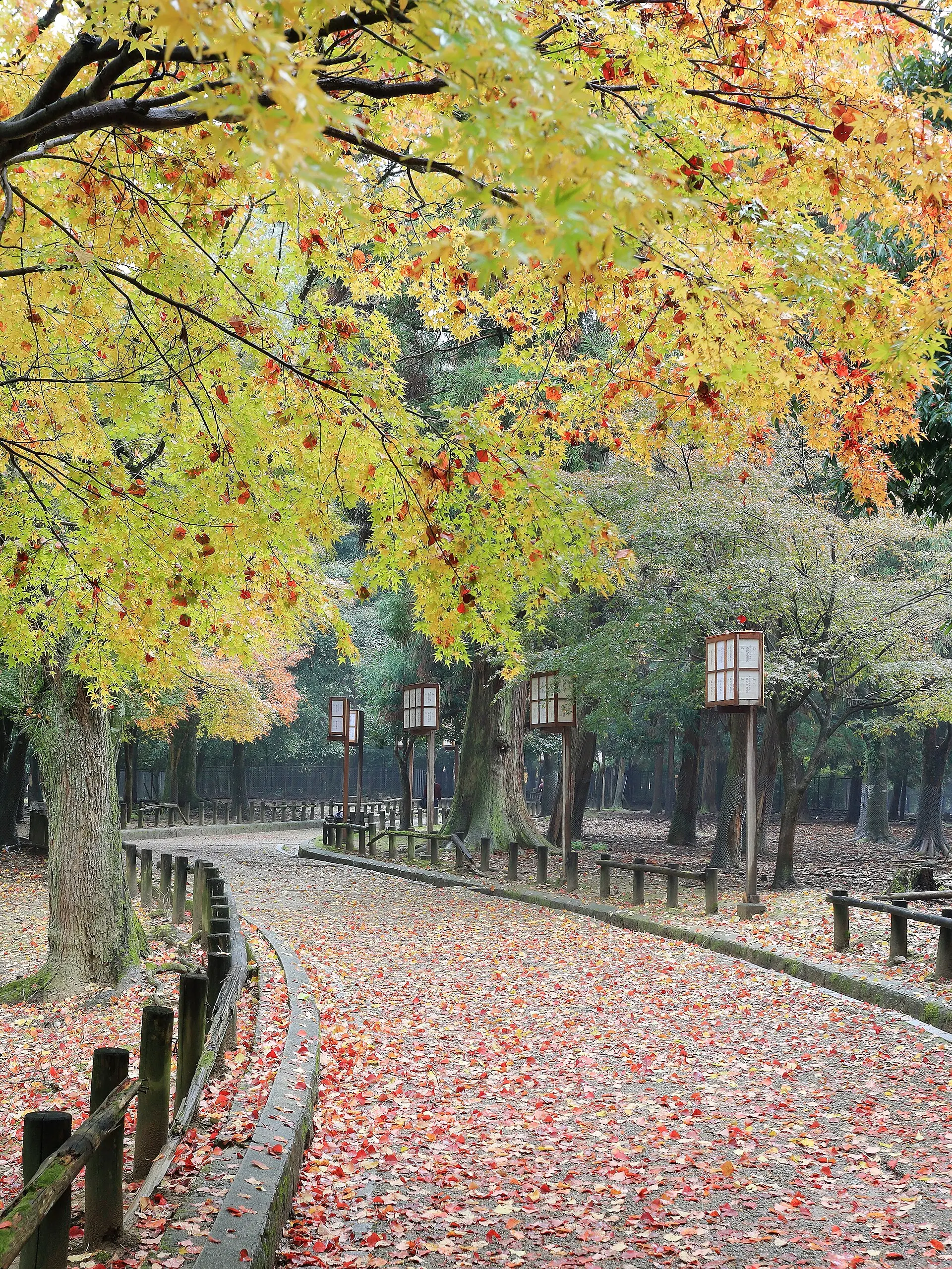 CITYNaraNara Park in autumn at the foot of Mount Wakakusa
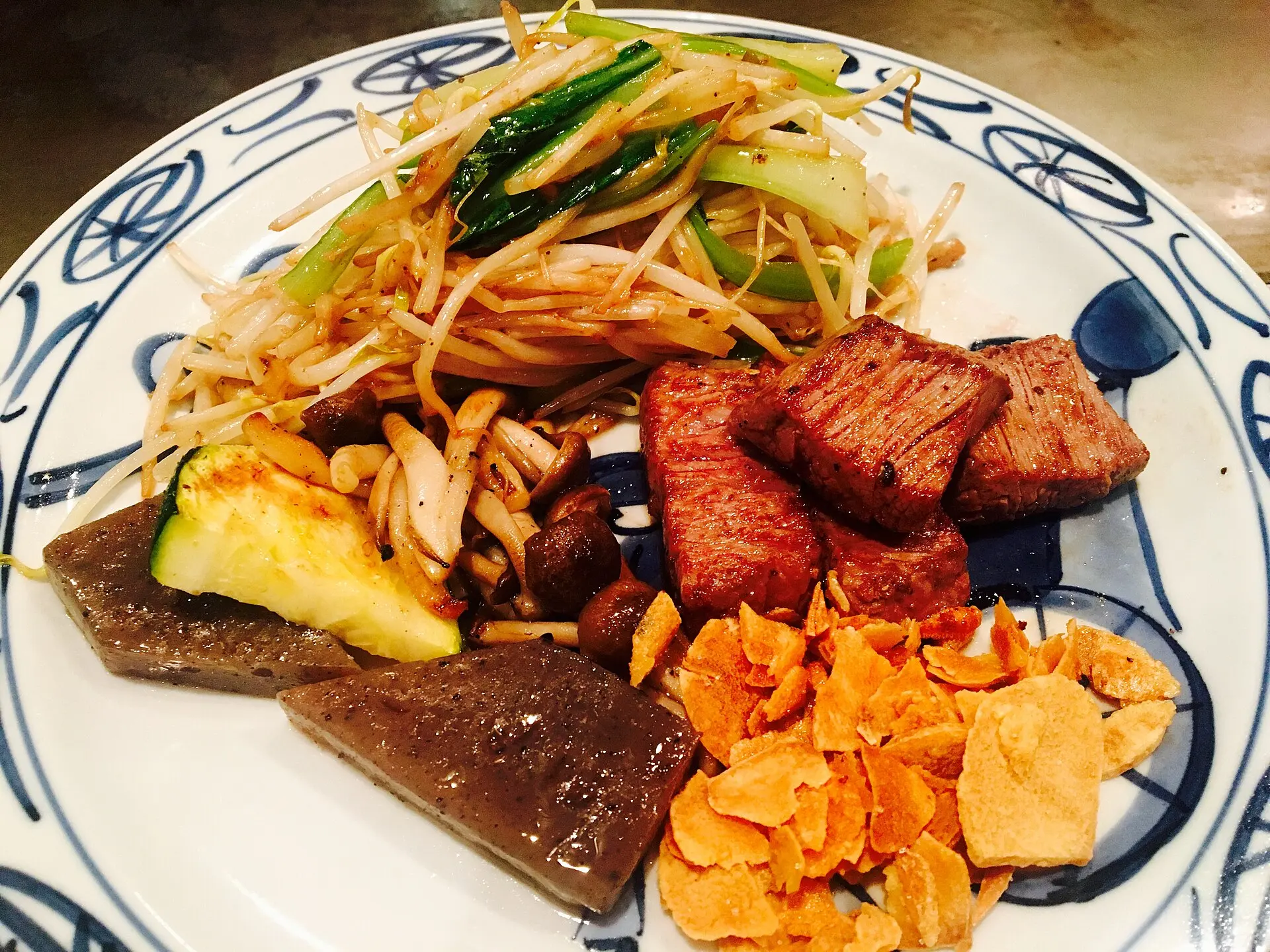 CITYKobeKobe beef served at a steakhouse in Kobe
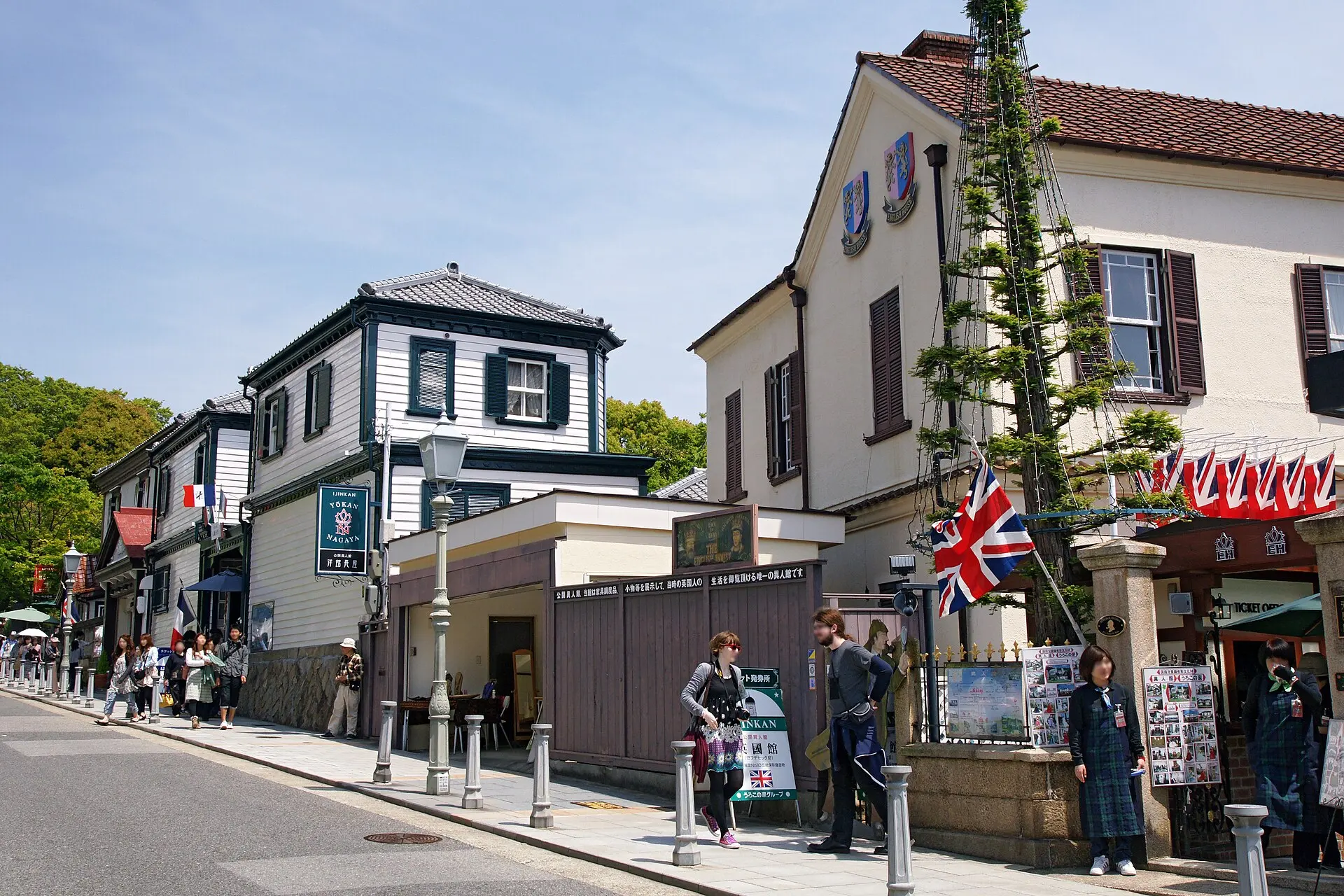
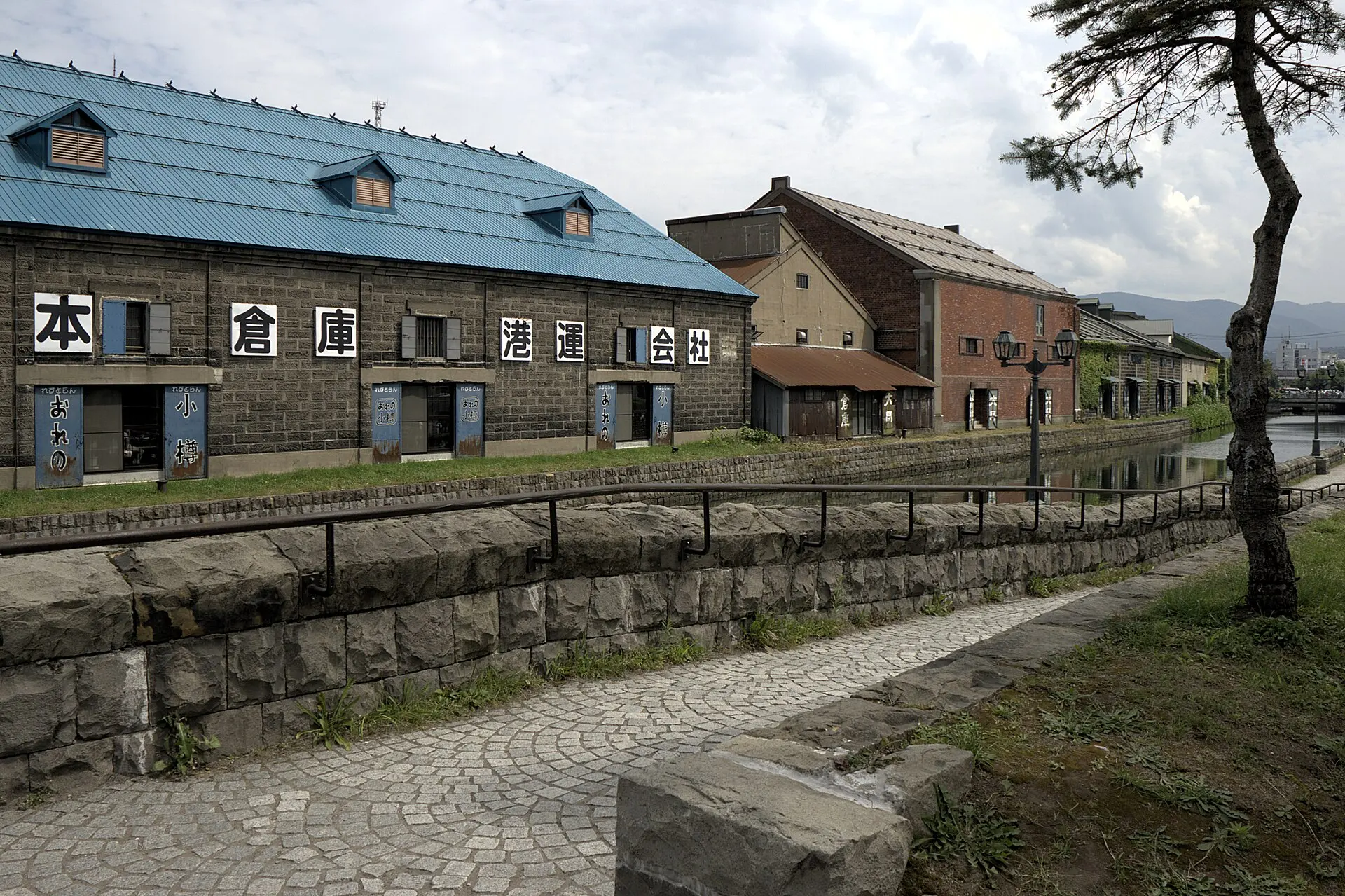 CITYSapporoOld warehouses beside the Otaru Canal
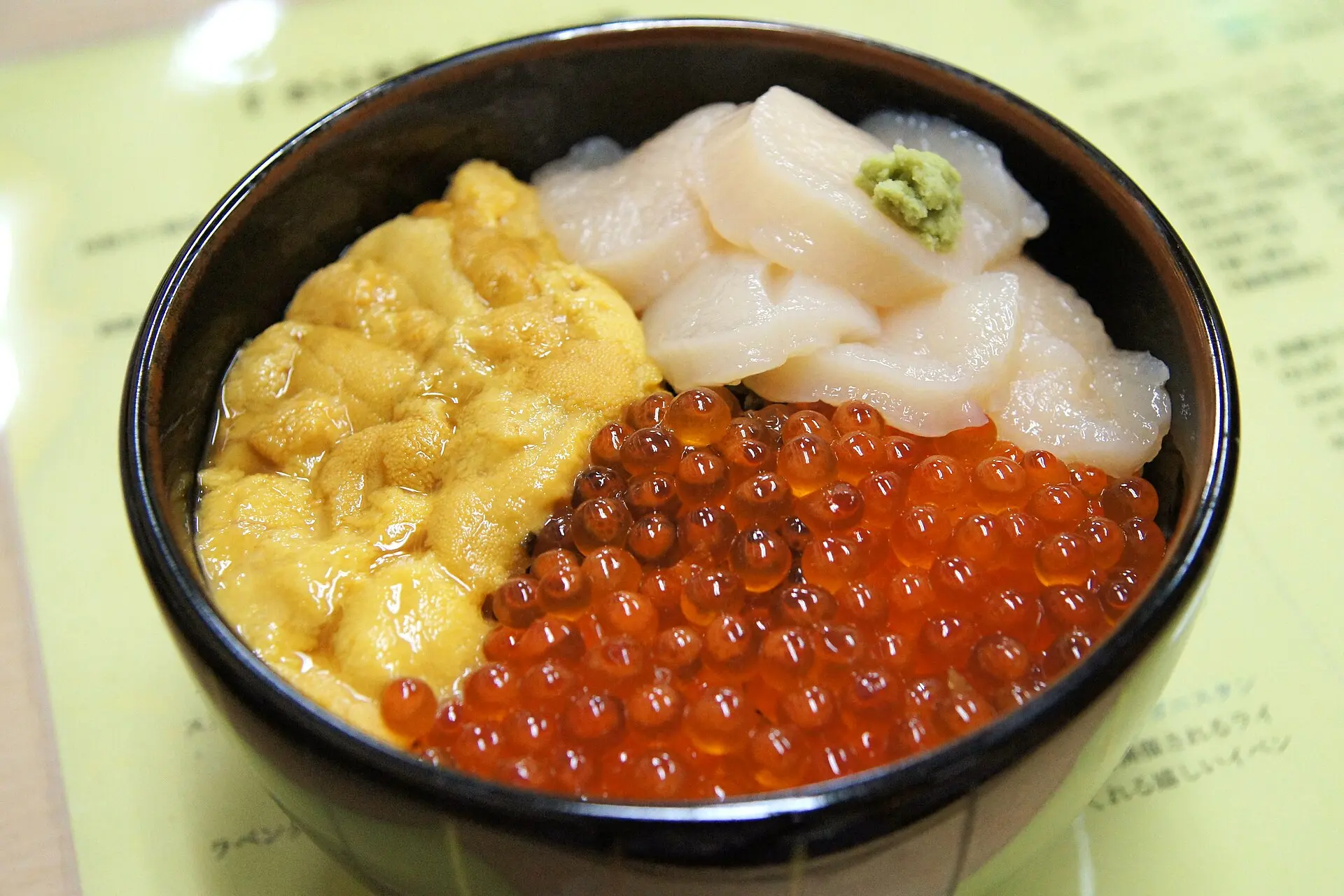 CITYOtaruKaisendon (seafood rice bowl) at Hakodate Morning Market
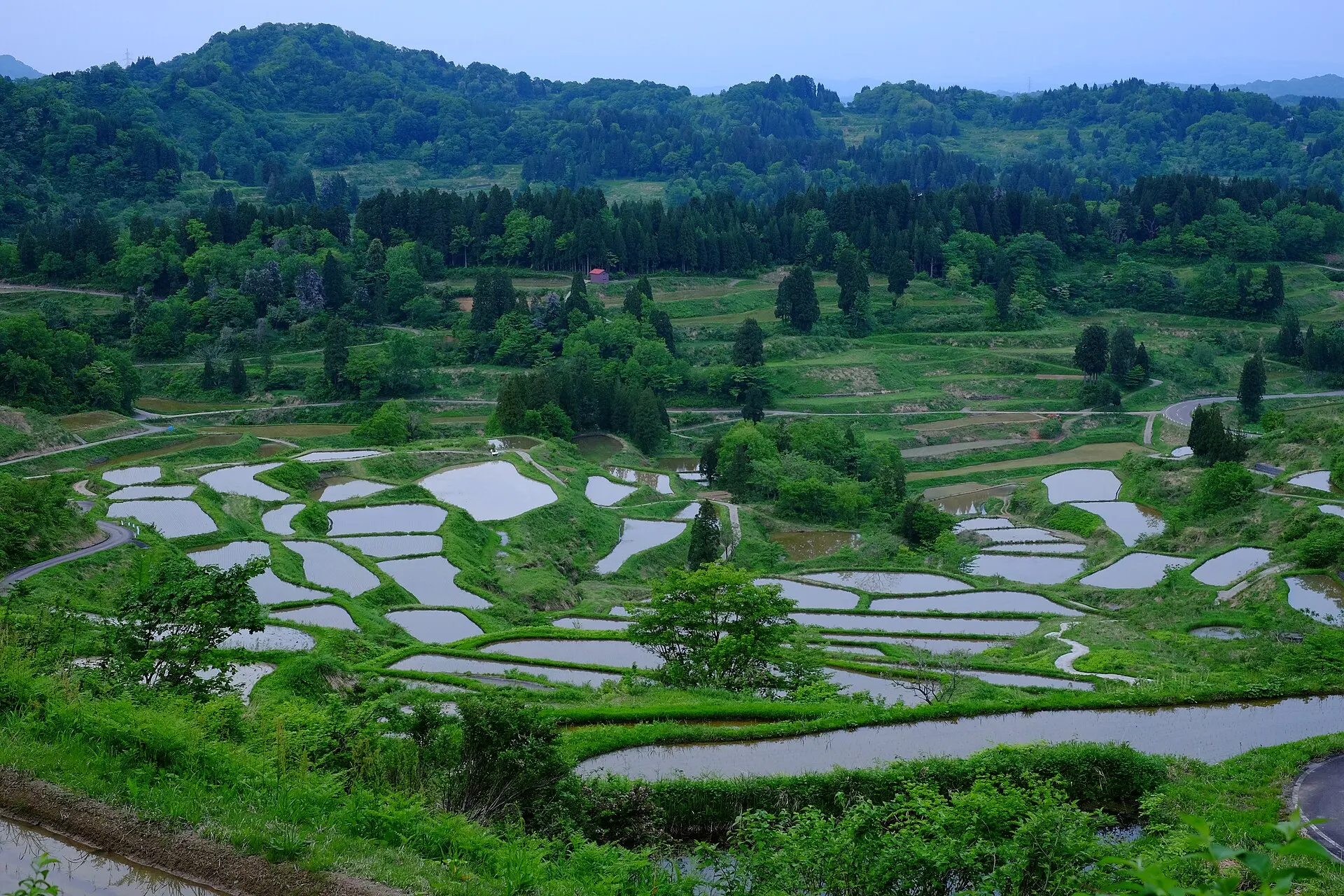 CITYMinamiuonumaHoshitōge rice terraces in Tokamachi
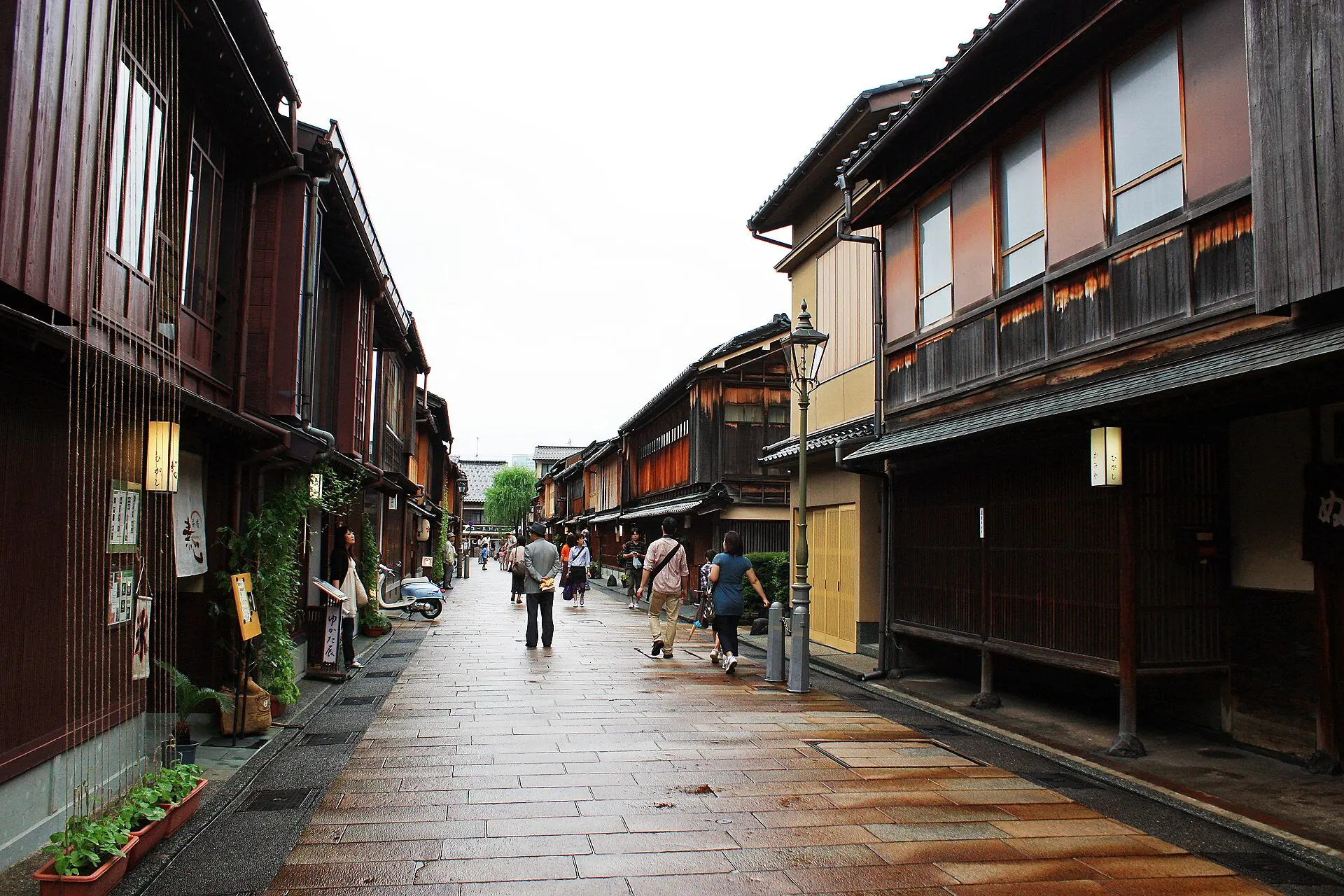 CITYKanazawaHigashi Chaya, the former geisha district of Kanazawa
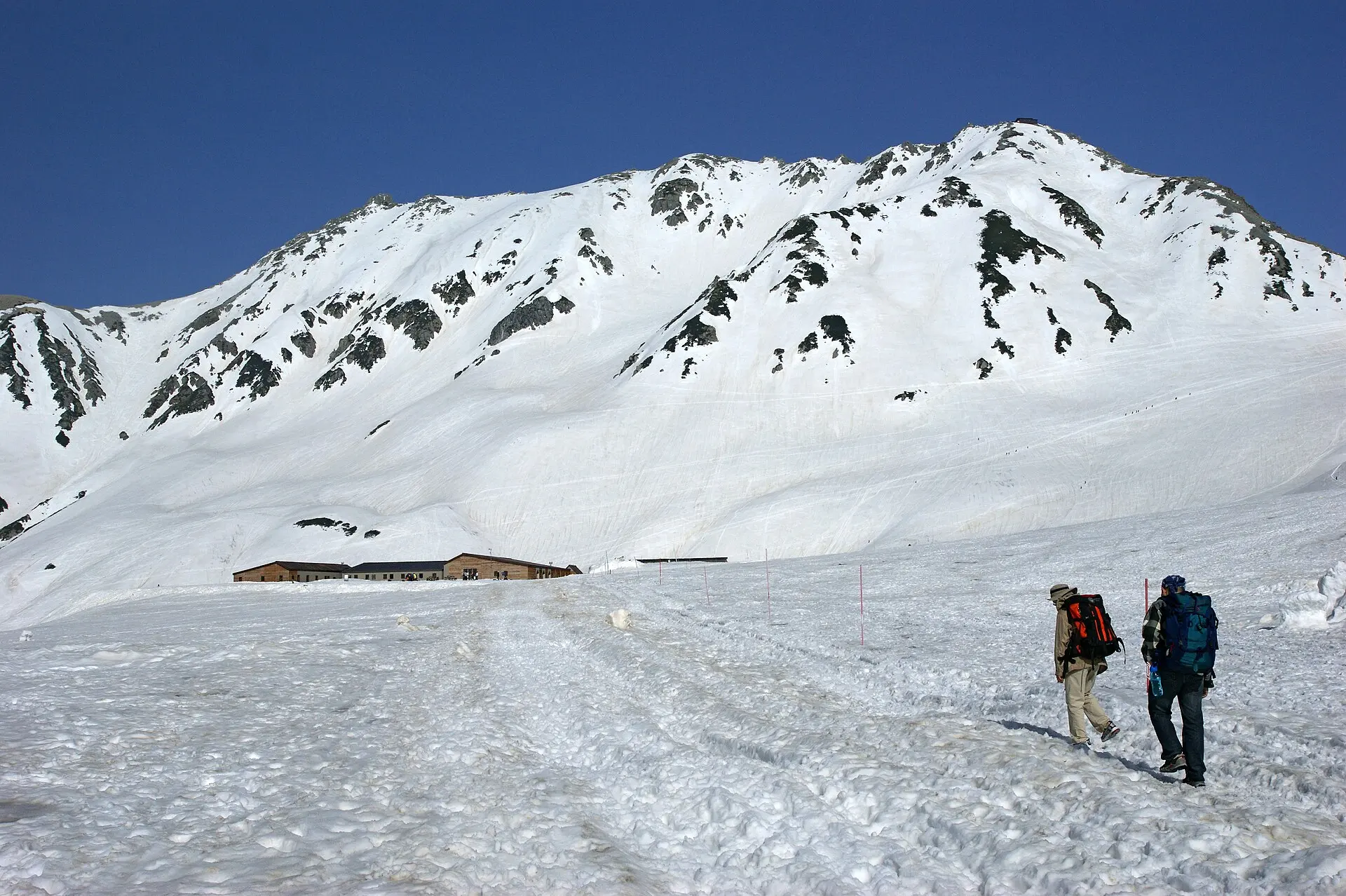 CITYNantoPeaks of Mount Tateyama in May, seen from Murodō
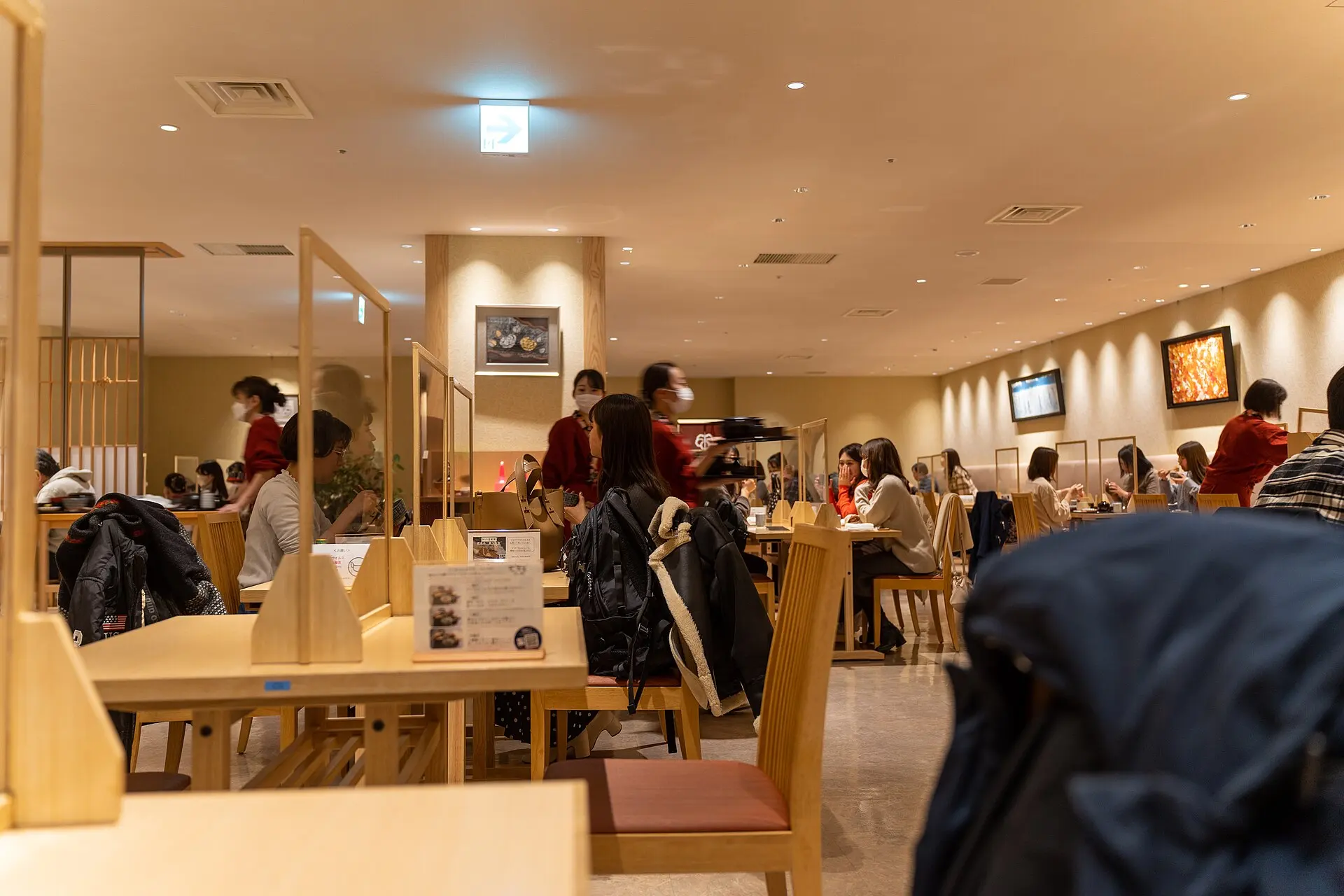 CITYNagoyaAtsuta Hōraiken, Matsuzakaya branch, Nagoya
Photographs from Wikimedia Commons under each file's licence. Only images labelled RESTAURANT depict that restaurant. Image credits
01Editor's selection
Not only Tokyo, Kyoto and Osaka but from Hokkaido to Okinawa, and across cuisines from Japanese to the cooking of the world. The order is editorial, never a ranking.
Seasonal kaiseki in Higashiyama, Kyoto, since 1912.
菊乃井 本店
KYOTO — Higashiyama-ku
MICHELIN GUIDE · JAPAN · 2026Three Stars(as listed for 2026)
茶禅華
TOKYO — Minami-Azabu
MICHELIN GUIDE · JAPAN · 2026Three Stars(as listed for 2026)
A French restaurant in Miyagaoka, Chuo-ku, Sapporo, with Hiroshi Nakamichi as owner-chef. Its official site lists group restaurants including maccarina (Makkari) and ASPERGES (Biei). Reservations are by phone only.
OSAKA — Edobori
MICHELIN GUIDE · JAPAN · 2026Three Stars(as listed for 2026)
02Guide editions
This site is not affiliated with, endorsed by or connected to Michelin or the MICHELIN Guide. Guide information is quoted as text only from each restaurant's page on guide.michelin.com, together with the distinction year and the date we checked it. Distinctions change from year to year — please refer to the official page for current information.
Verified 26 September 2026
2026
Of the 40 restaurants in this archive, 19 have a distinction verified on their official guide page. This is not a complete list of the guide's selection.
03Cuisines
Japanese gastronomy is not only Japanese cuisine: French, Italian, Chinese, Spanish and innovative cooking too. Classification follows each restaurant's official information.
04Counter craft
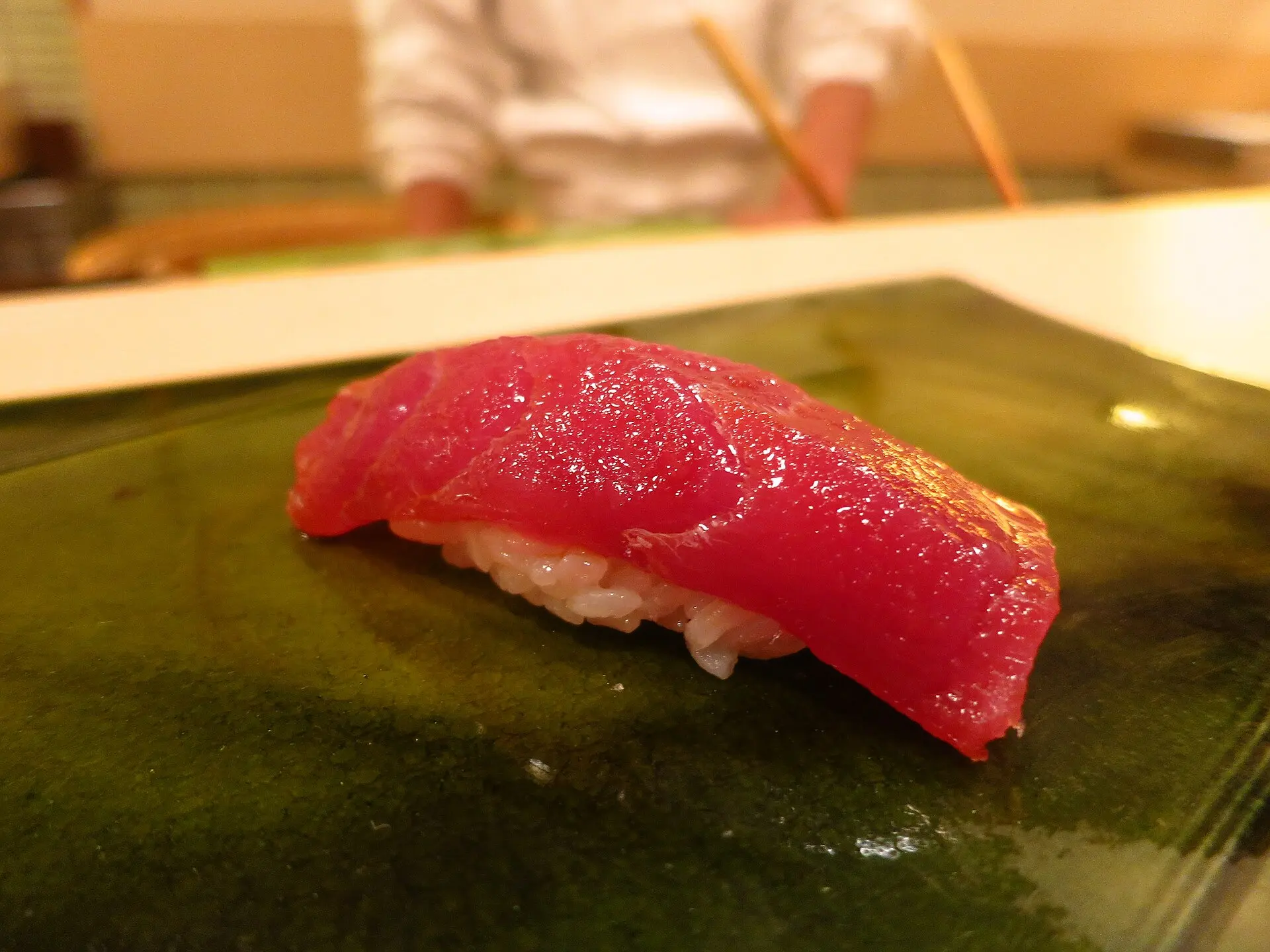
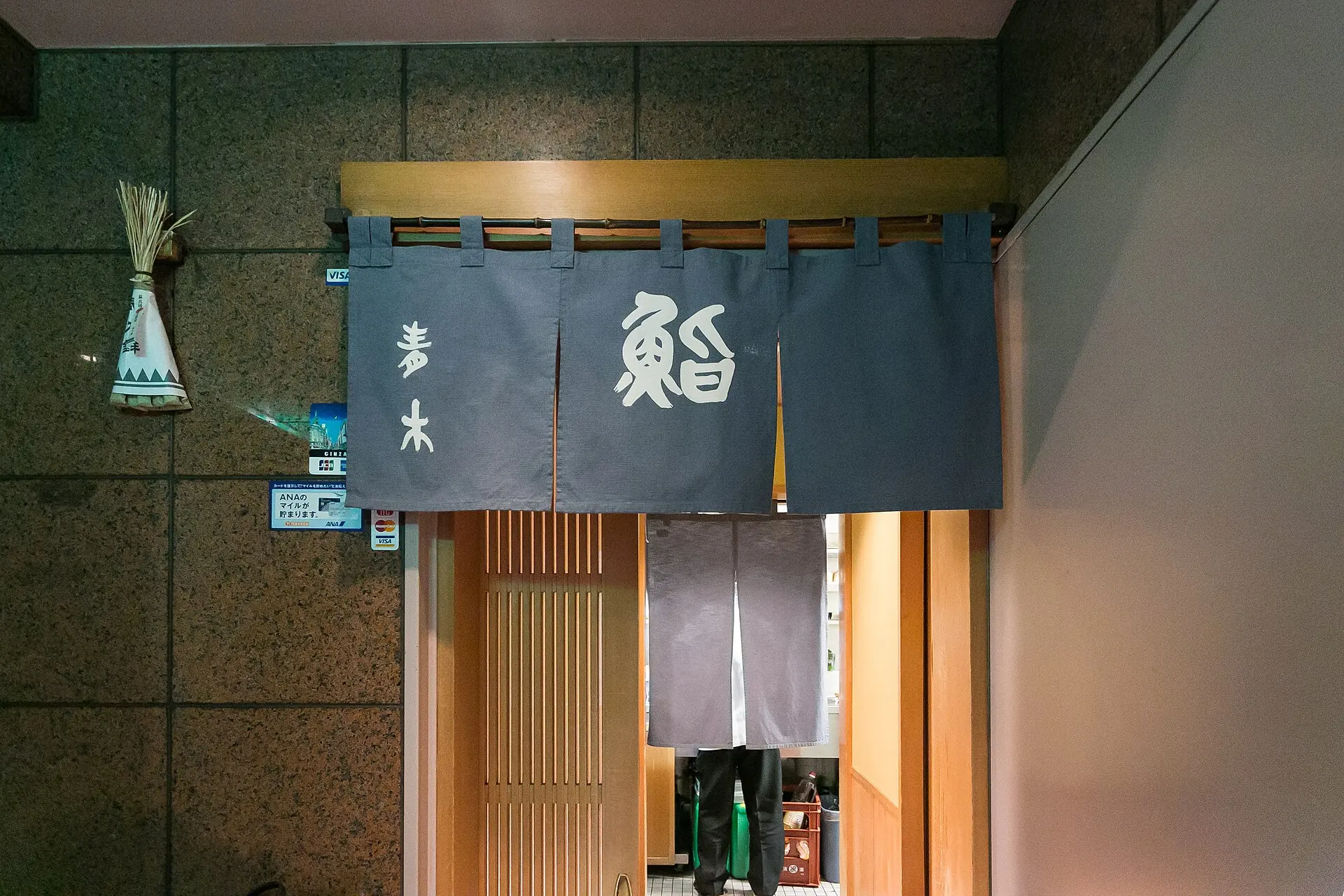
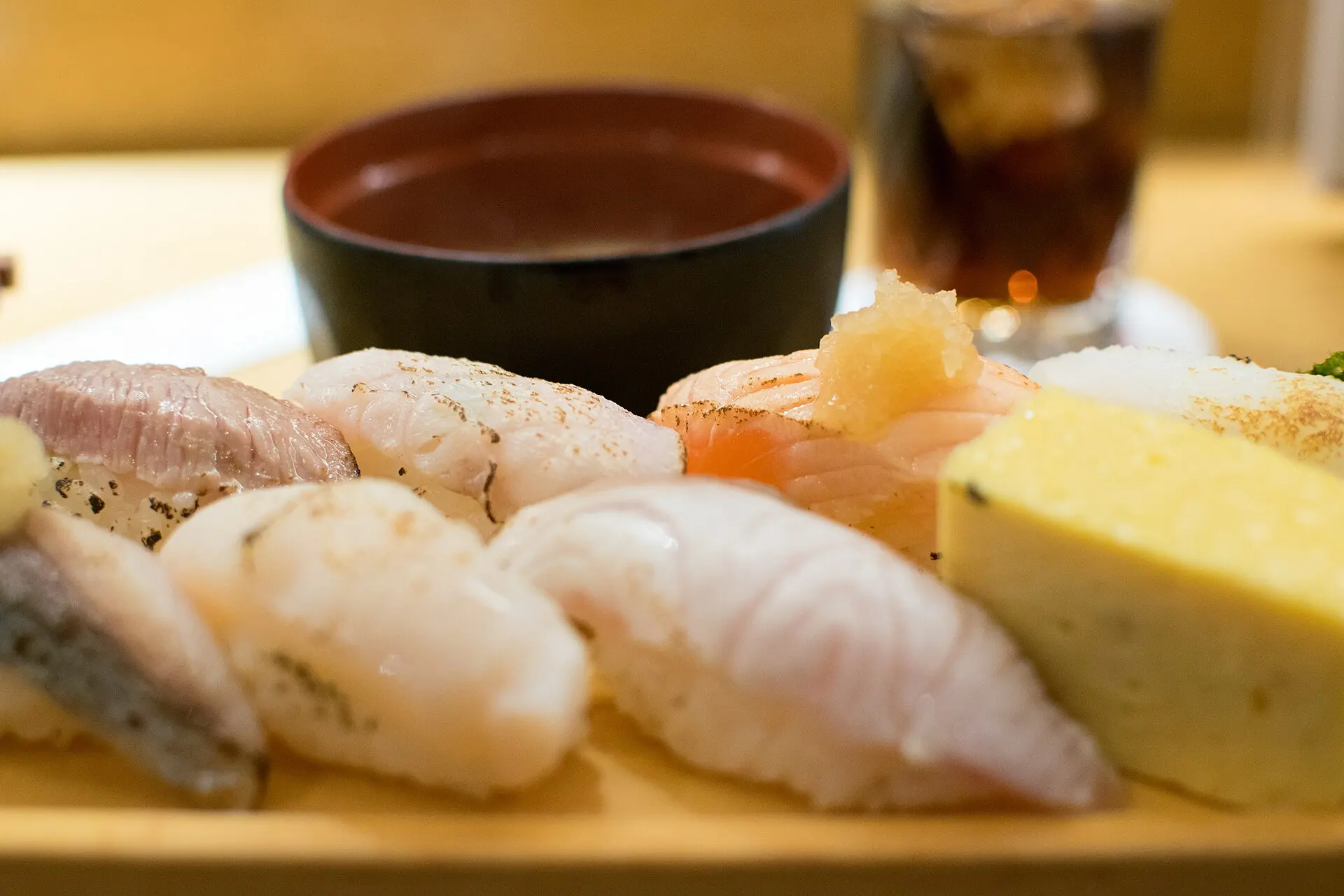
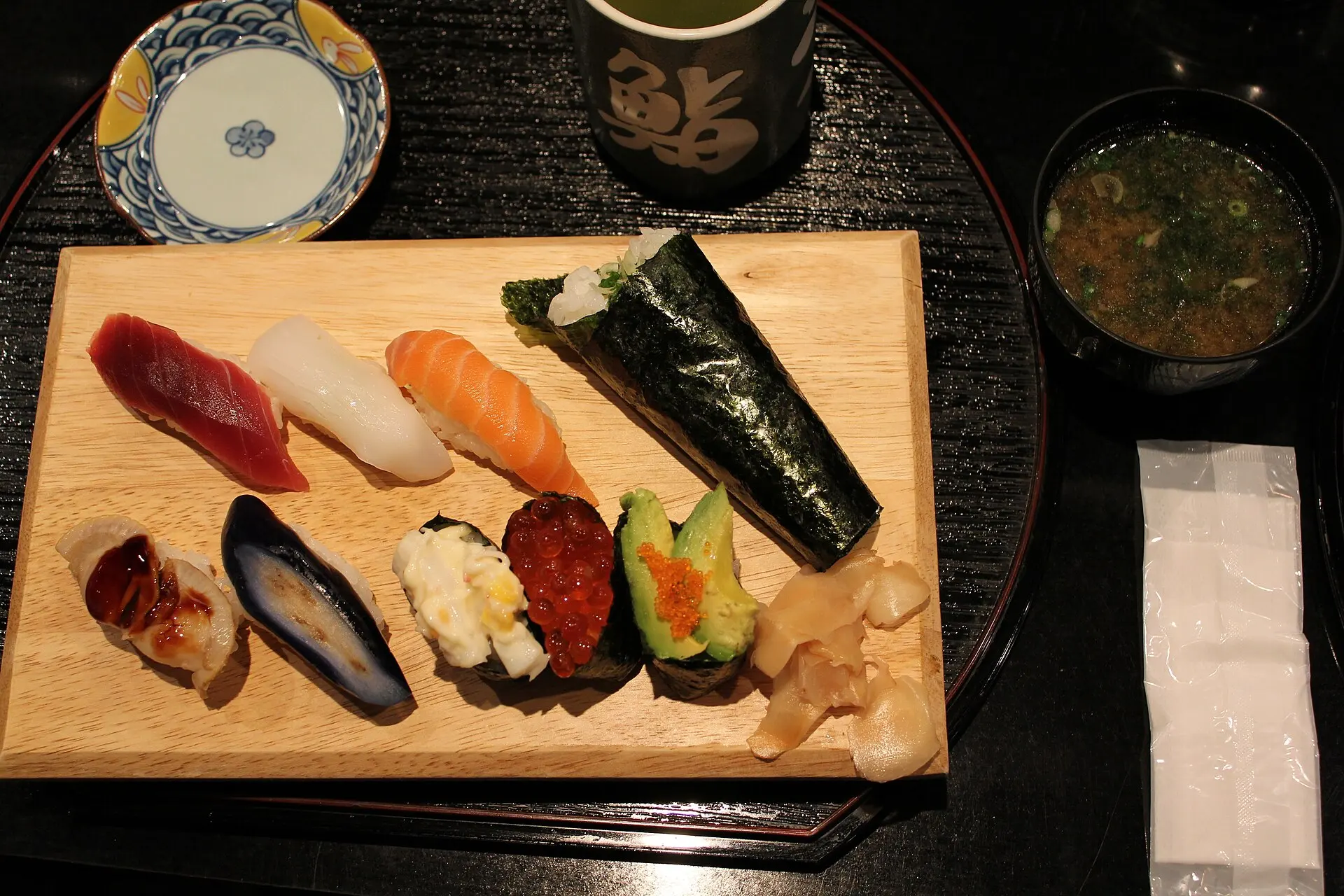
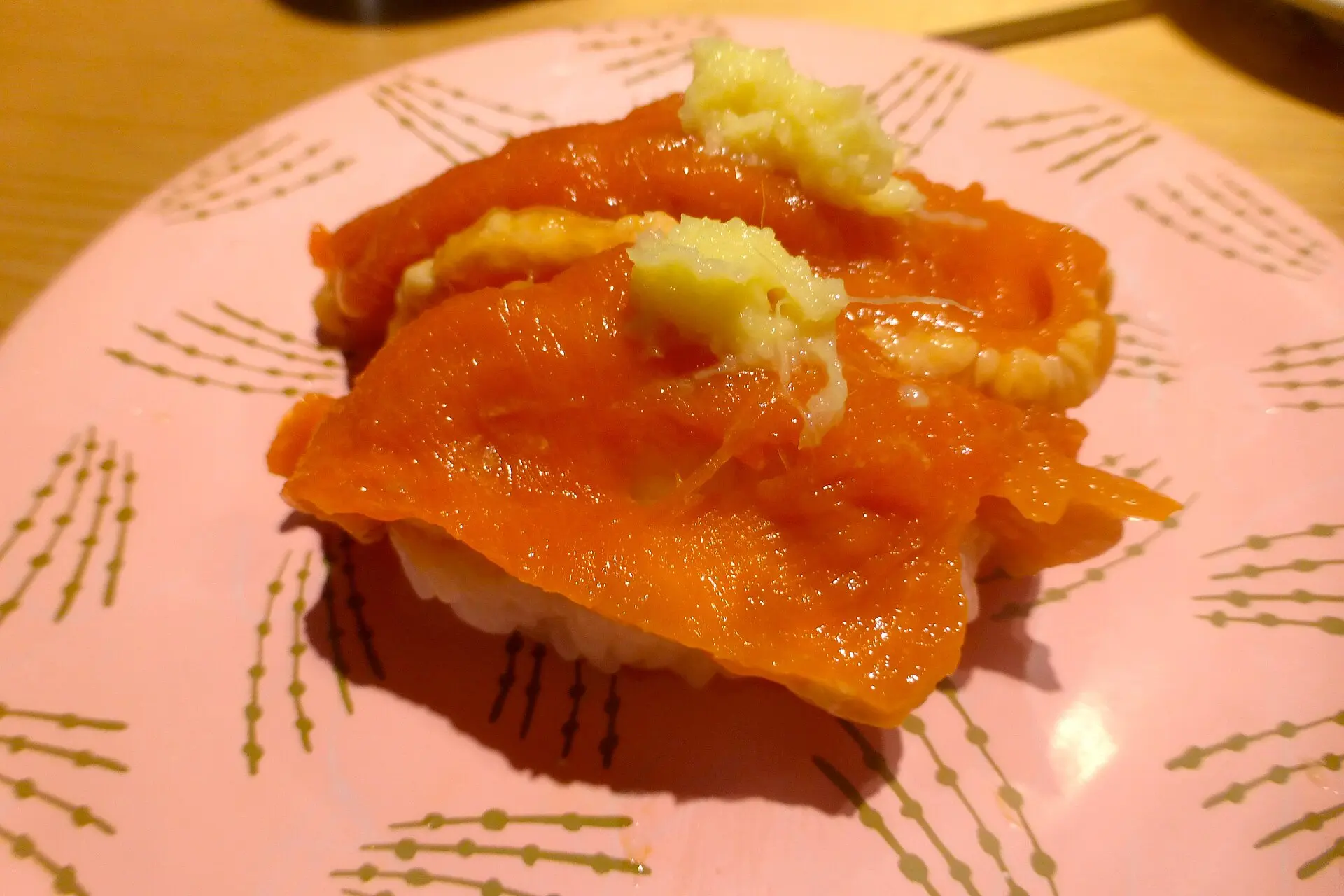
Counter, knife, fish, rice and hands — a piece of sushi is made from the precision of very few elements.
Tables in this archive
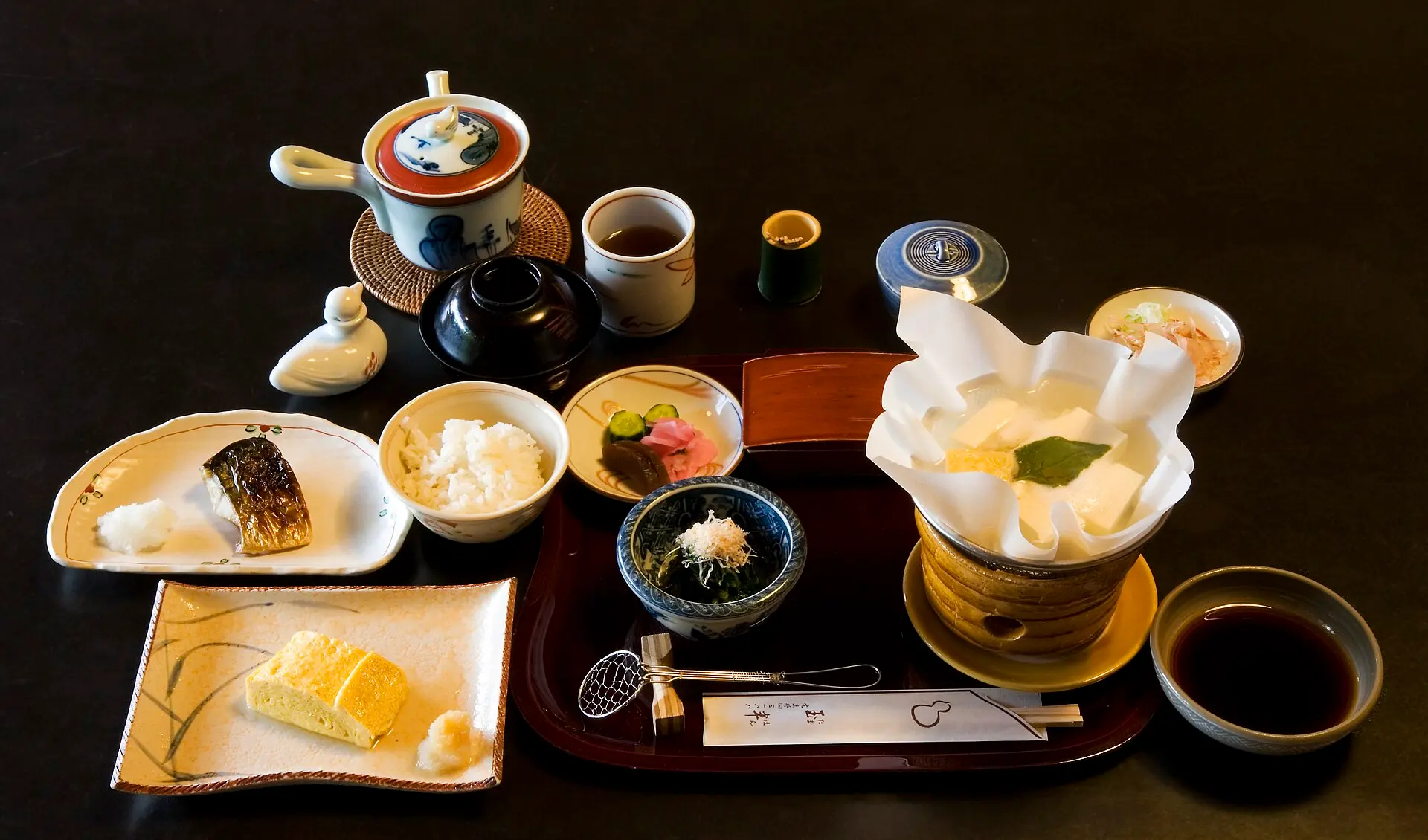
05Kaiseki
Seasons, vessels, ingredients, arrangement, space — kaiseki tells the turning of the season, one course at a time.
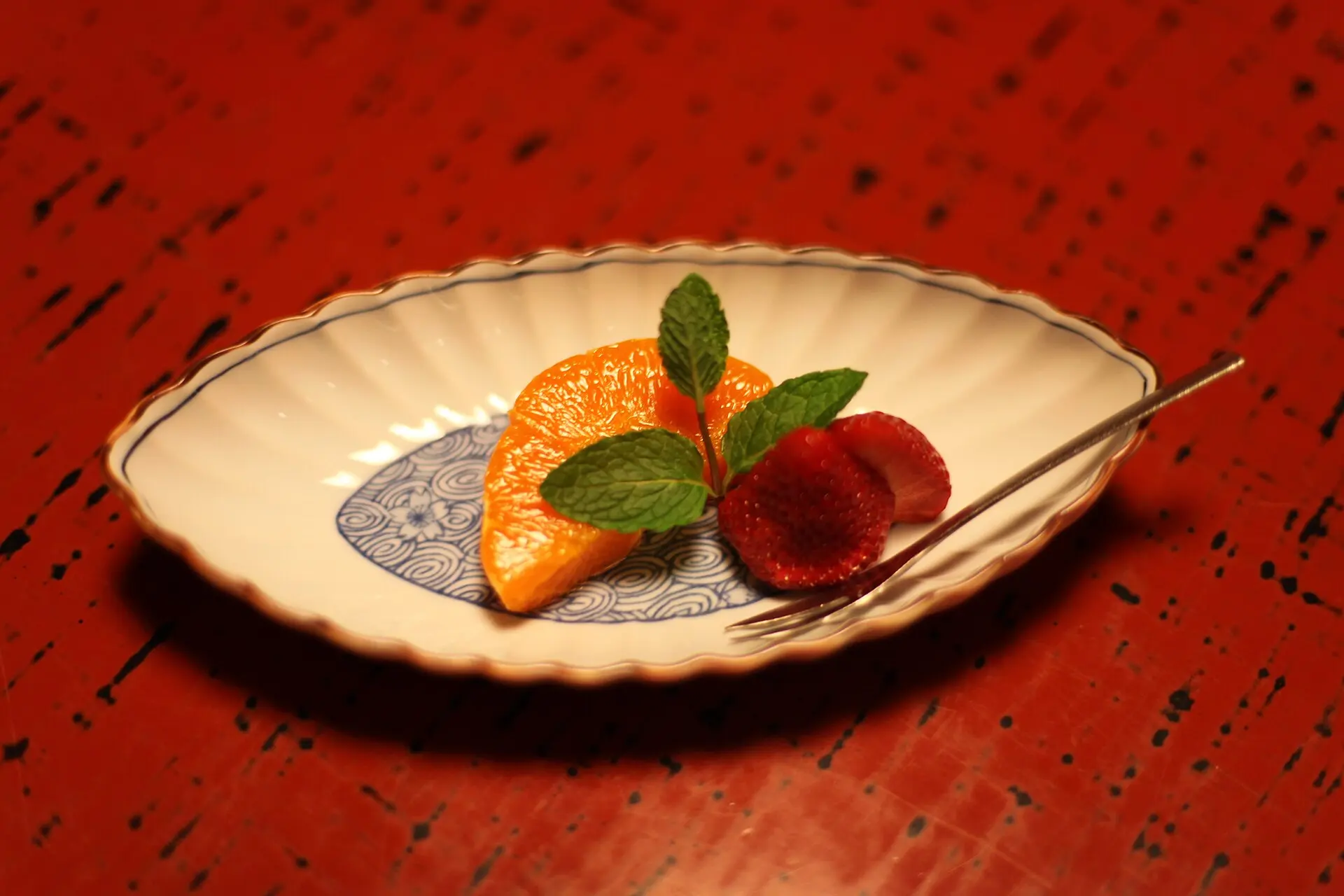
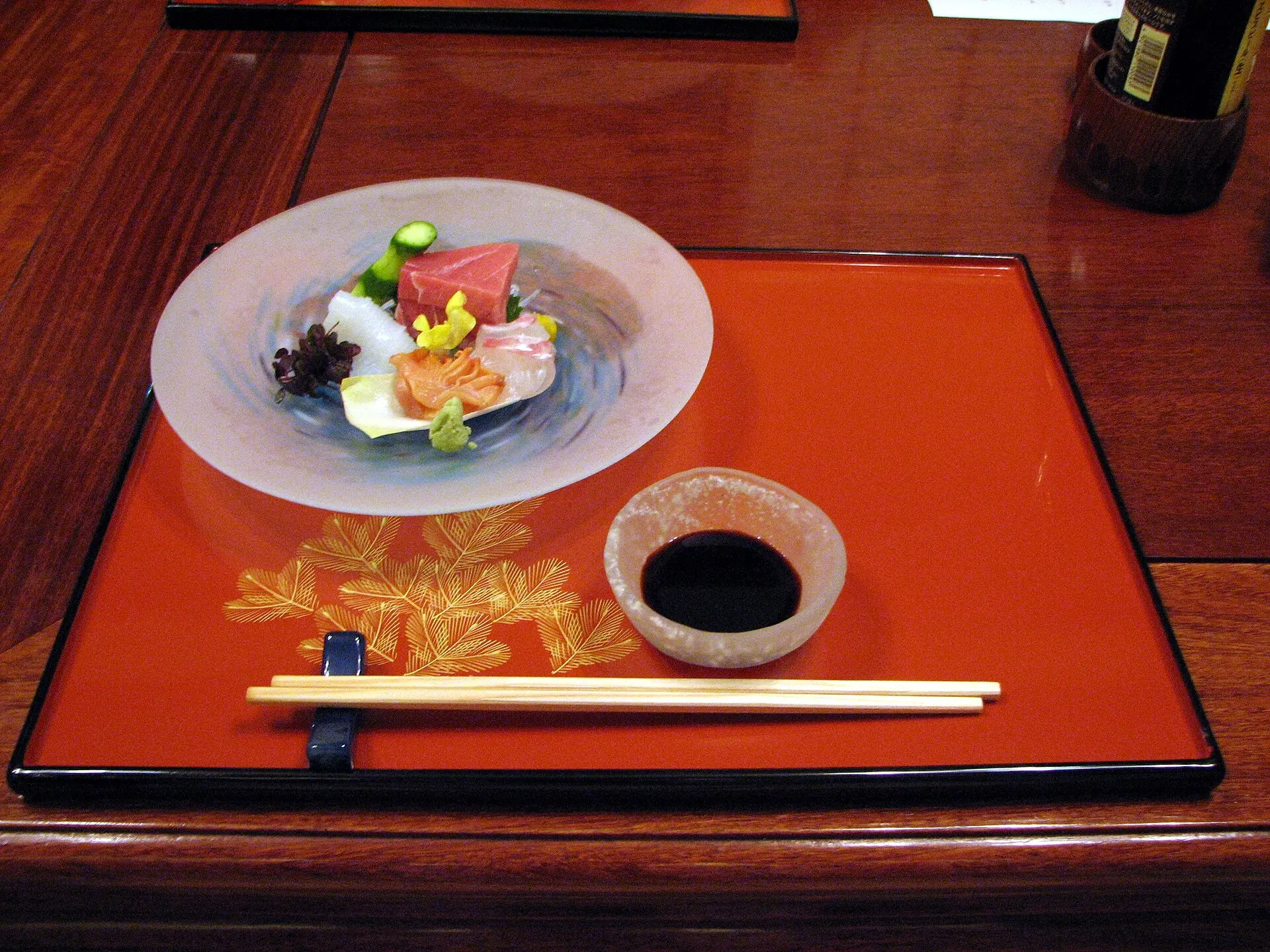
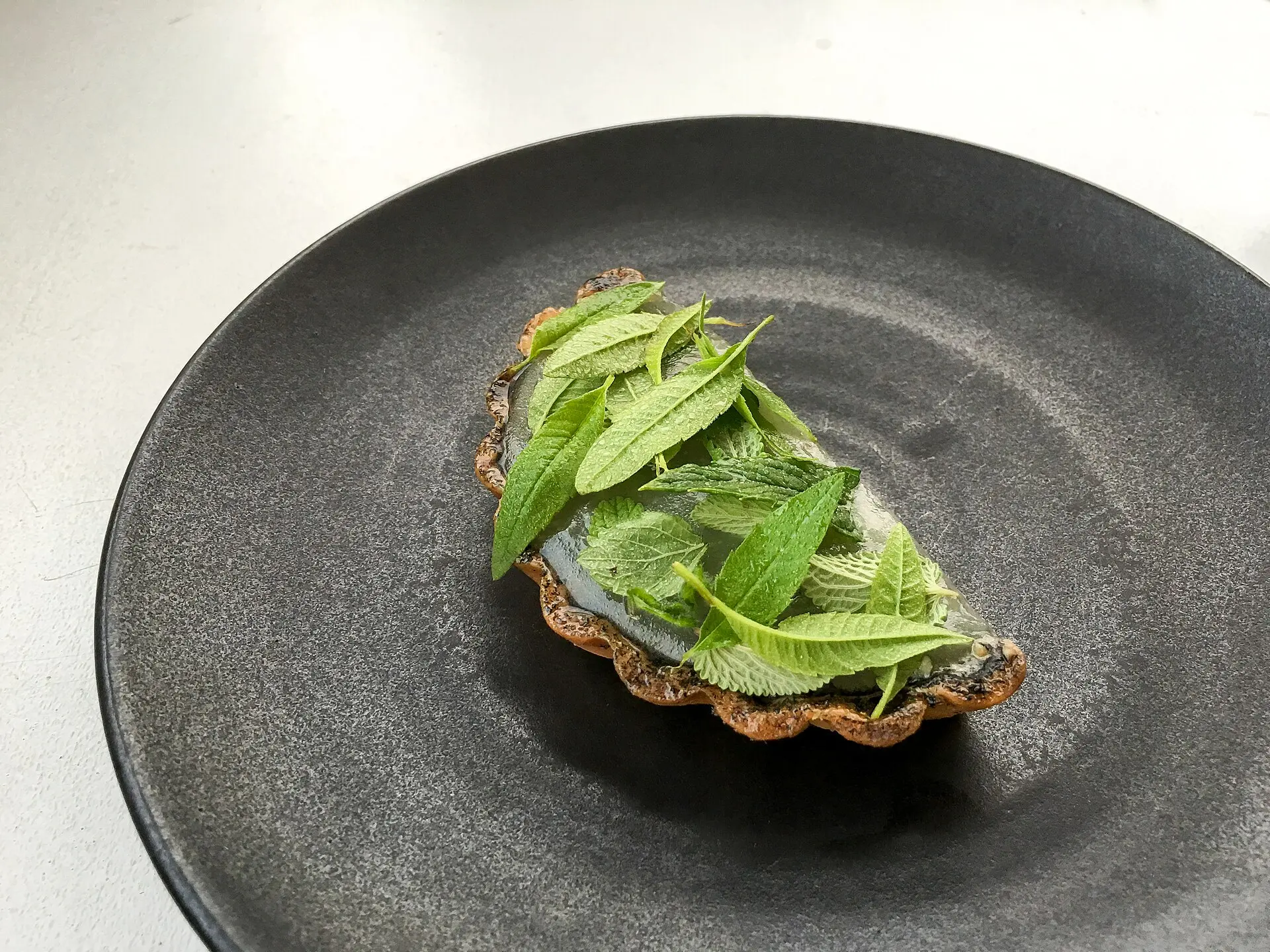
Final course of a kaiseki dinner at Hiiragiya Ryokan, Kyoto: setoka orange, strawberry and mint — Photo: Paul Keller / CC BY 2.0 / Wikimedia Commons
The bitterness of new shoots, pale colours.
Mountain greens, bamboo shoots and spring sea bream often appear on menus.
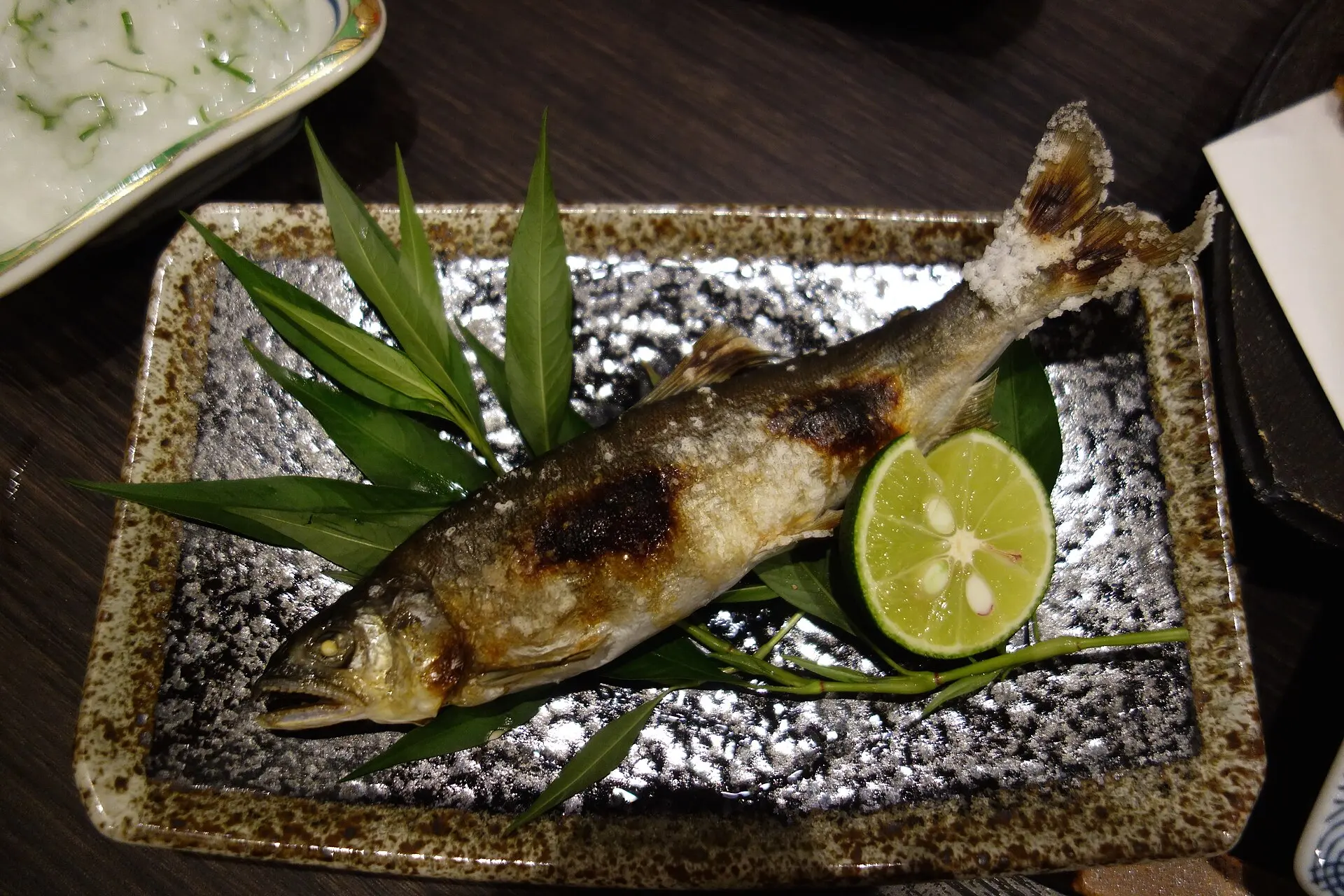
Vessels that carry coolness, the scent of rivers.
Ayu sweetfish, pike conger and glass vessels often appear on summer tables.
Harvest, and deepening colour.
Mushrooms, new-crop rice and chestnuts often appear on autumn menus.
The deep flavour of cold seas.
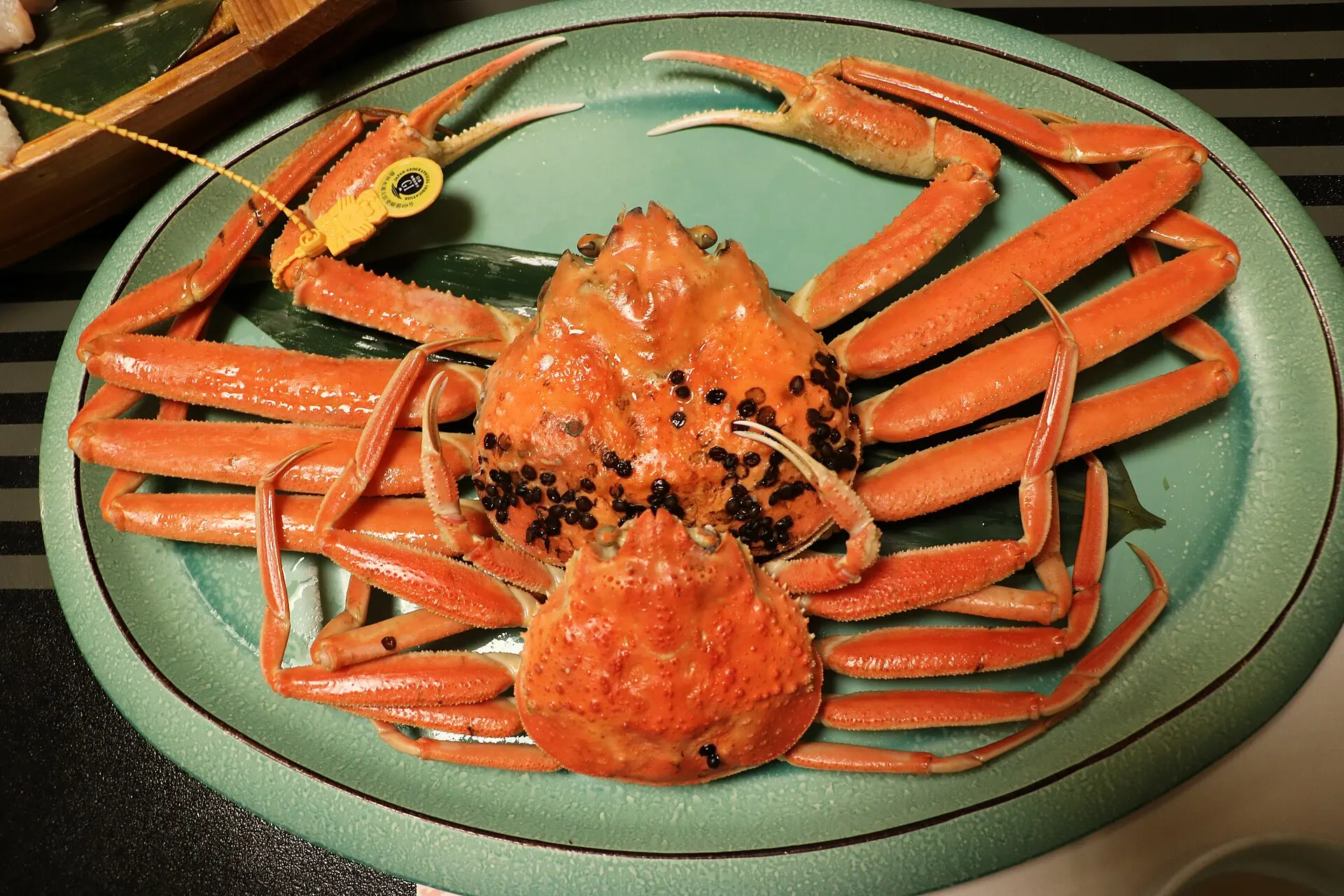
Crab and yellowtail often come to the winter table.
Seasons vary by origin, climate and year. These are examples of tendencies, not the menu of any specific restaurant.
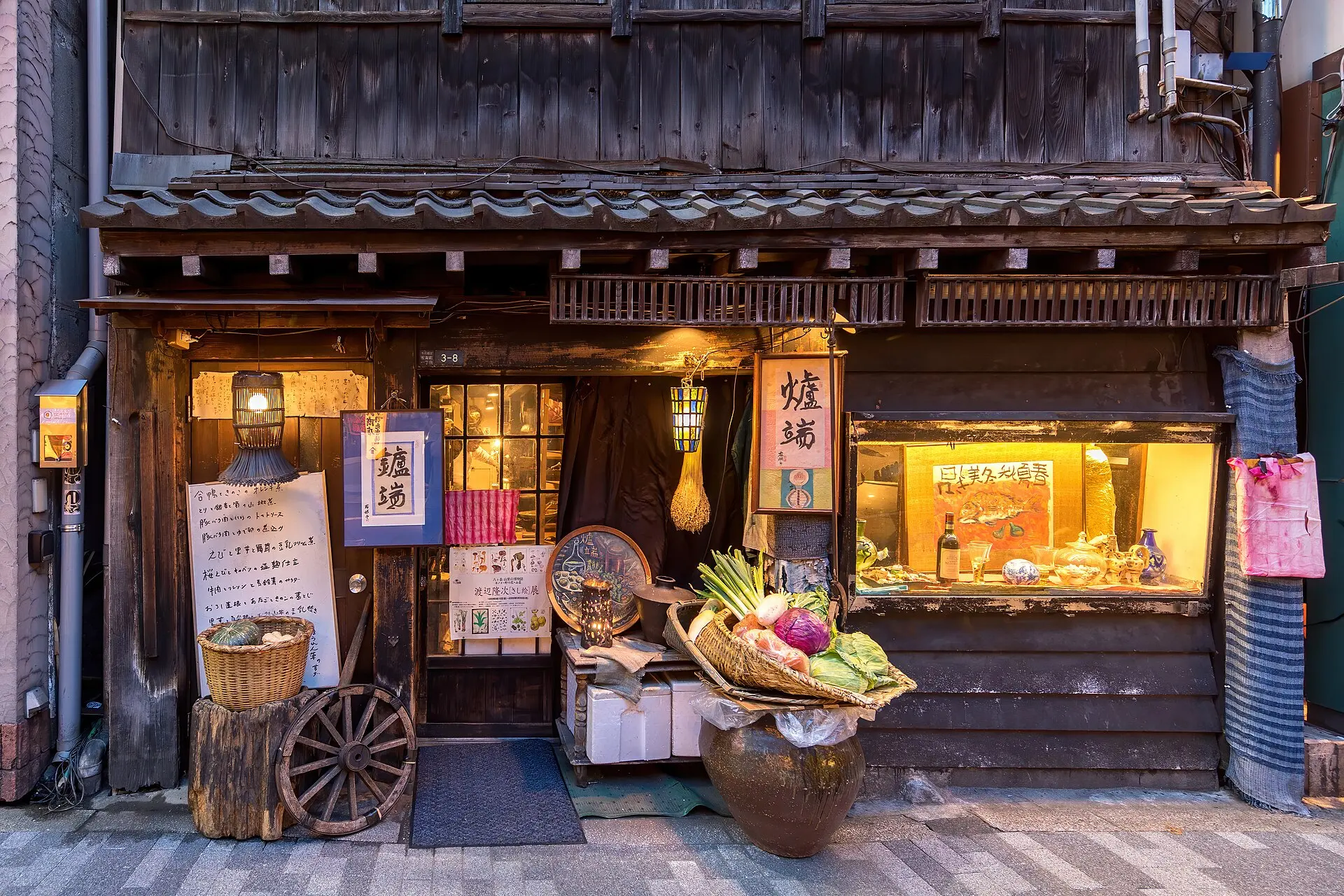
一夜、一席、一皿。
Illuminated restaurant facade with baskets of fresh vegetables at the entrance, Yūrakuchō, Tokyo — Photo: Basile Morin / CC BY-SA 4.0 / Wikimedia Commons
06Regions
40 tables across 12 regions so far. Counts describe this archive, not completeness.
Hover a region on the map, or choose from the list below.
07City feature
Four ways into Tokyo's tables.
Counters in Ginza, old houses in Kanda, dining rooms in Azabu and Aoyama — explore the city's layers by restaurant, chef, cuisine and neighbourhood.
By neighbourhood
GINZA銀座
MICHELIN GUIDE · JAPAN · 2026Two Stars(as listed for 2026)
MICHELIN GUIDE · JAPAN · 2026Two Stars(as listed for 2026)
MICHELIN GUIDE · JAPAN · 2026Two Stars(as listed for 2026)
YURAKUCHO有楽町・日比谷
AZABU麻布・虎ノ門
MICHELIN GUIDE · JAPAN · 2026Two Stars(as listed for 2026)
MICHELIN GUIDE · JAPAN · 2026Three Stars(as listed for 2026)
MICHELIN GUIDE · JAPAN · 2026Three Stars(as listed for 2026)
MICHELIN GUIDE · JAPAN · 2026One Star(as listed for 2026)
AOYAMA青山・神宮前
DAIKANYAMA代官山
By chef
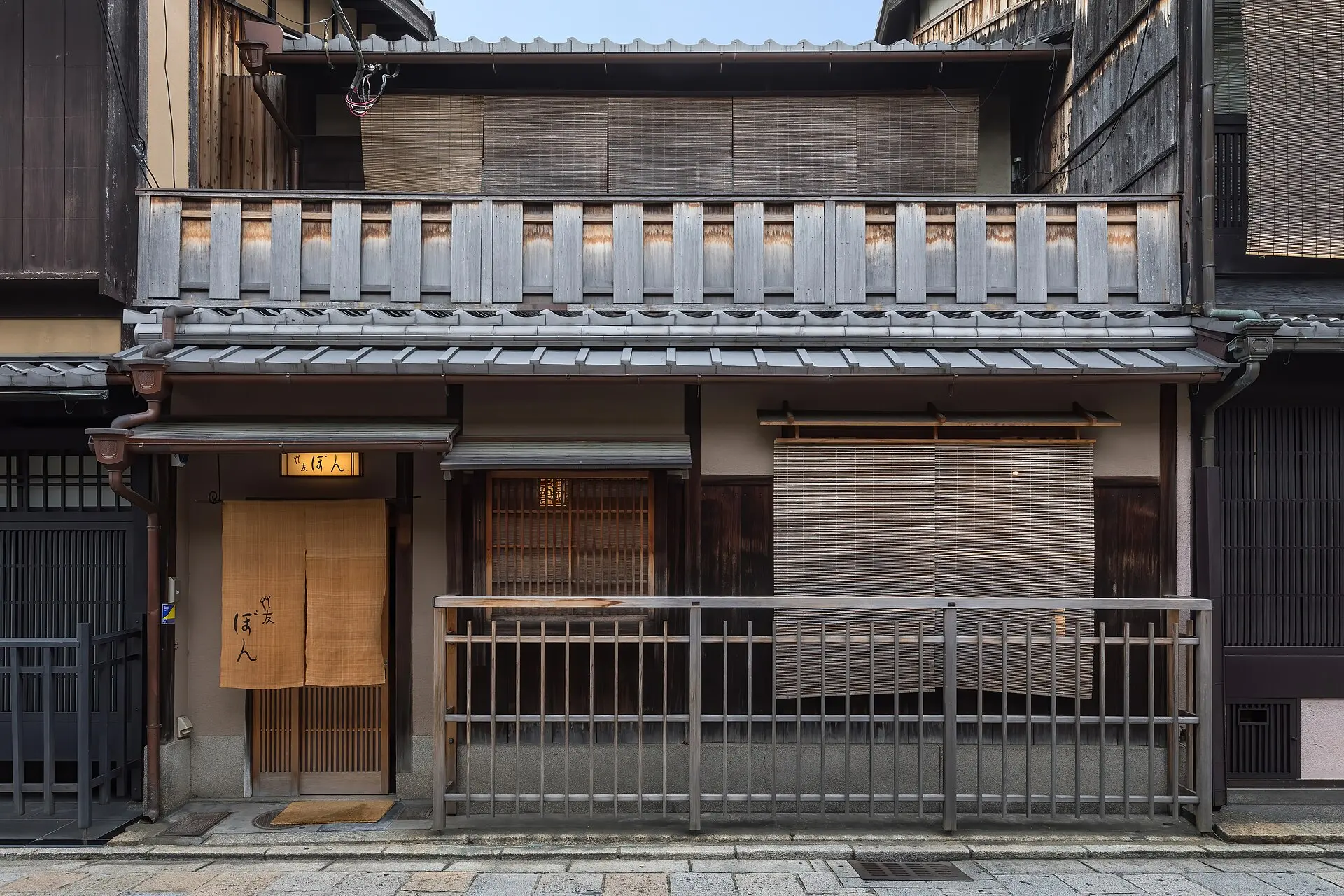
08Kyoto
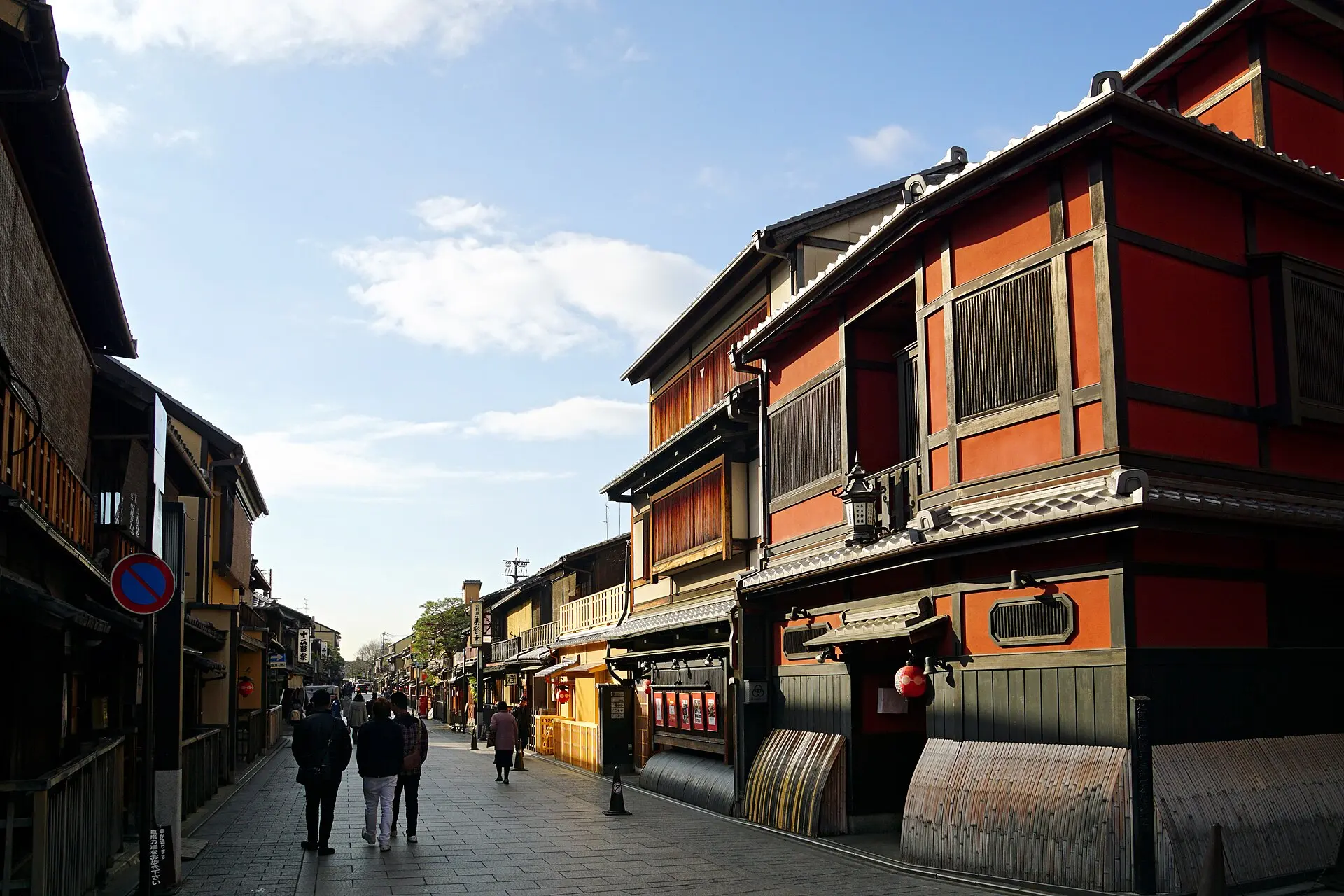
Not only cooking but architecture, gardens, vessels, tea and season — in Kyoto, food exists as a whole culture.
MICHELIN GUIDE · JAPAN · 2026Three Stars(as listed for 2026)
MICHELIN GUIDE · JAPAN · 2026Three Stars(as listed for 2026)
MICHELIN GUIDE · JAPAN · 2026One Star(as listed for 2026)
MICHELIN GUIDE · JAPAN · 2026Three Stars(as listed for 2026)
09Osaka
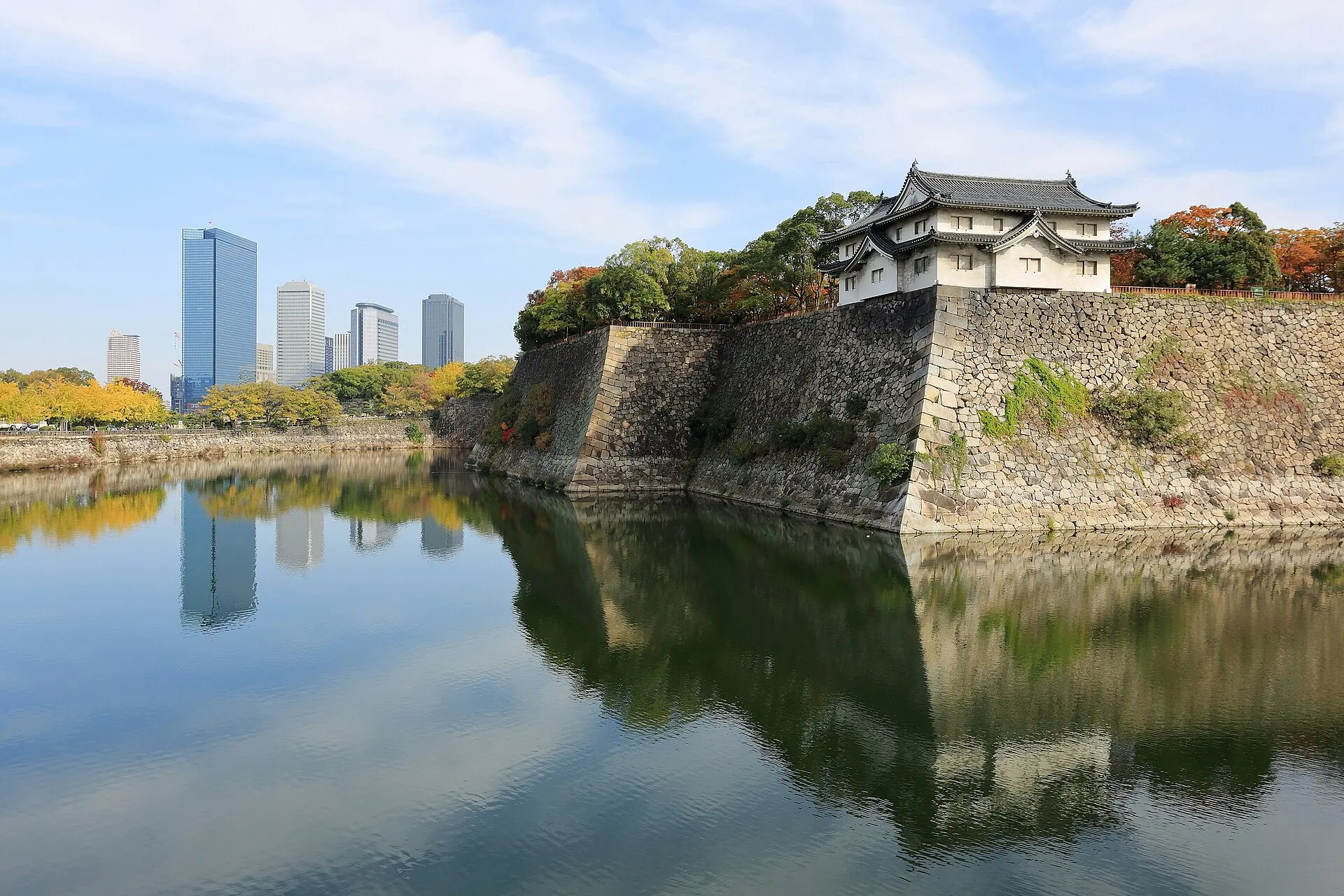
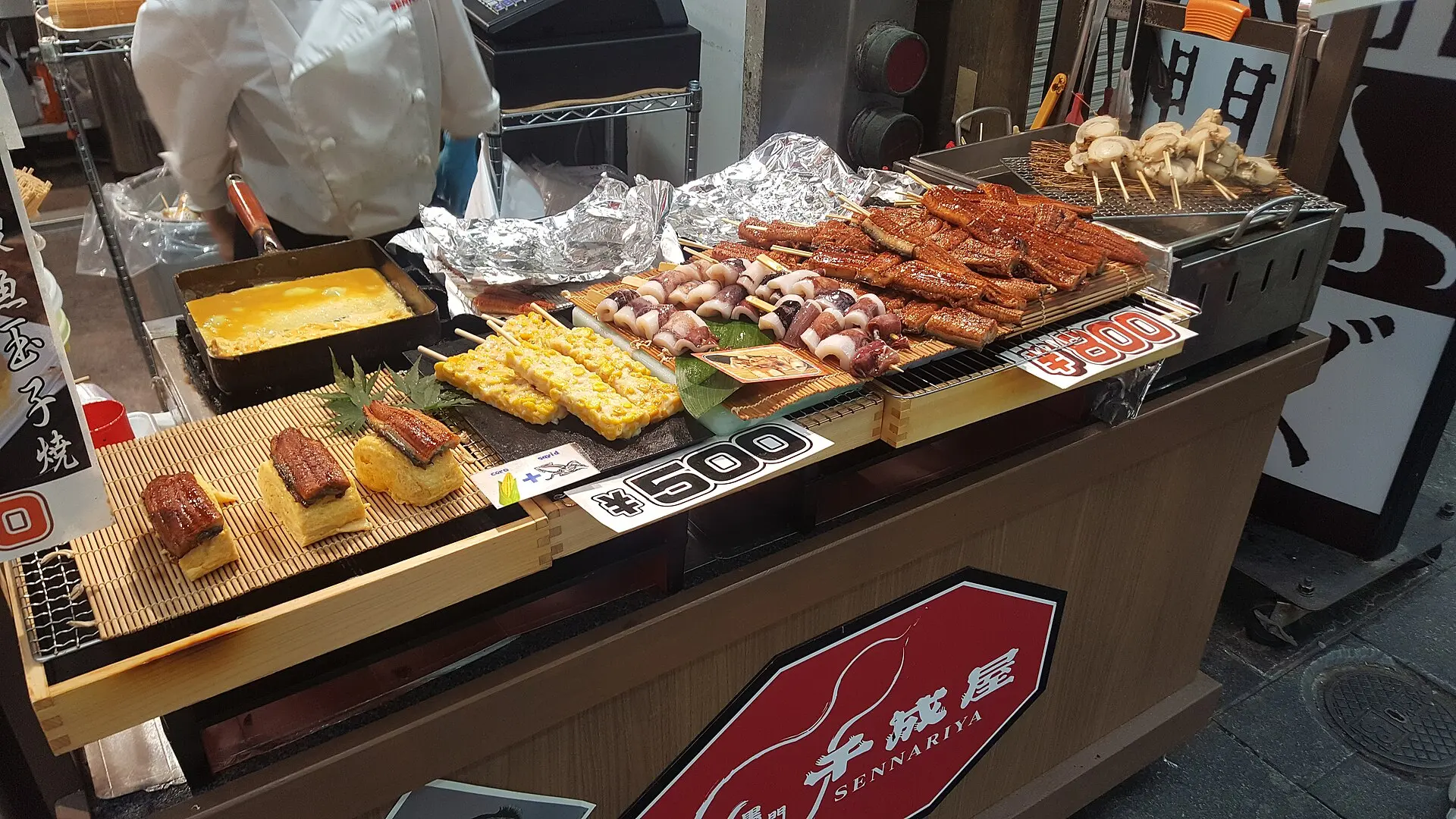
A merchant city's curiosity for food — from haute cuisine to local food culture.
10Beyond the capitals
Kanazawa, Toyama, Sapporo, Otaru, Sendai, Minamiuonuma, Nagoya, Hiroshima, Fukuoka, Kagoshima, Naha — Japanese gastronomy lives with the terroir of each place.
11People
Chefs are recorded with the same weight as their restaurants. We show only names, roles and facts stated on official pages.
12Ingredients
Fish, rice, dashi, seaweed, vegetables, wagyu, tea, fermentation, sake — specimens of what sustains the Japanese table.
No. 01FISH
魚Fish
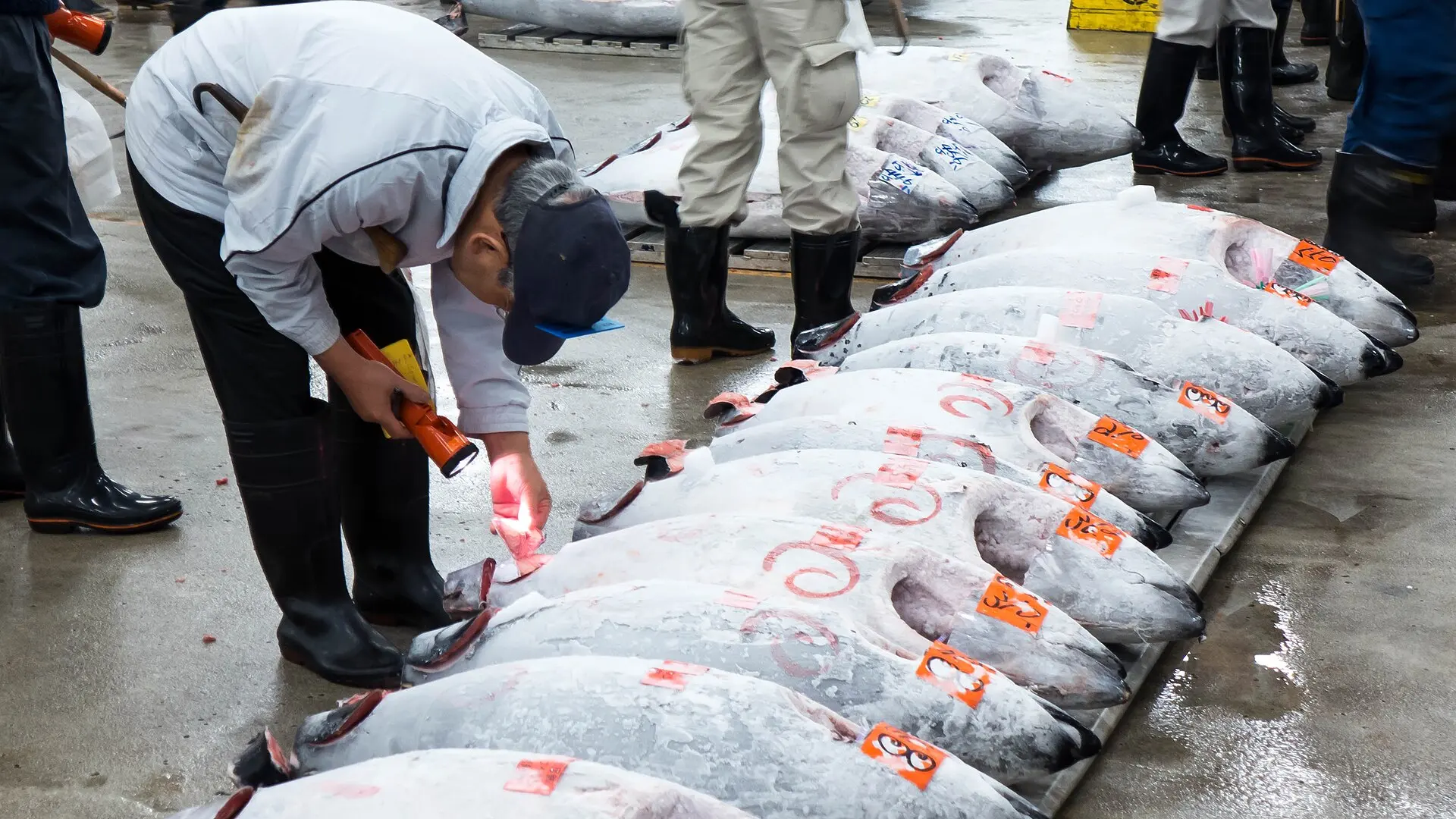
Fish from the seas around the archipelago, different by season and by water.
Photo: MichaelMaggs / CC BY-SA 3.0 / Wikimedia Commons
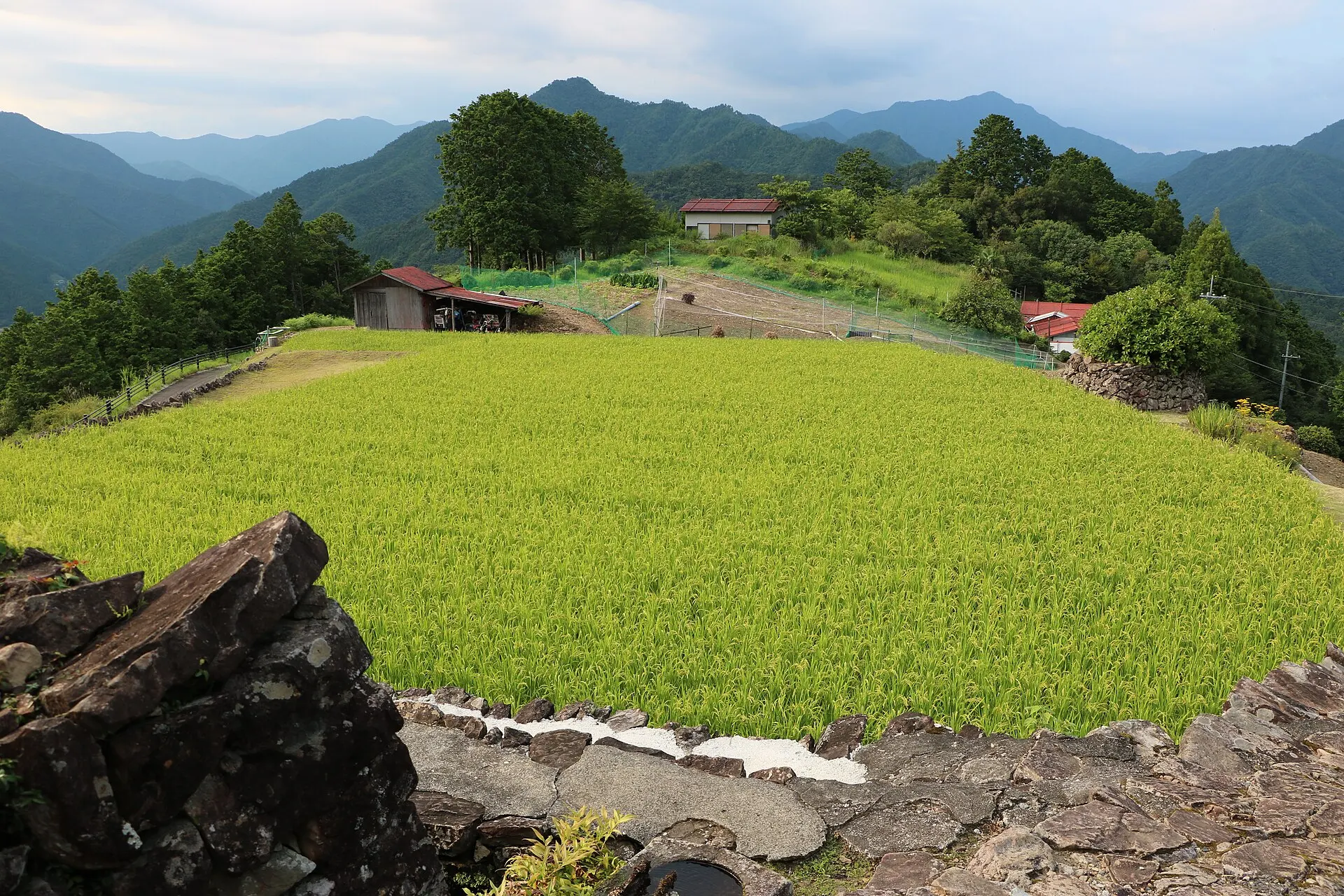
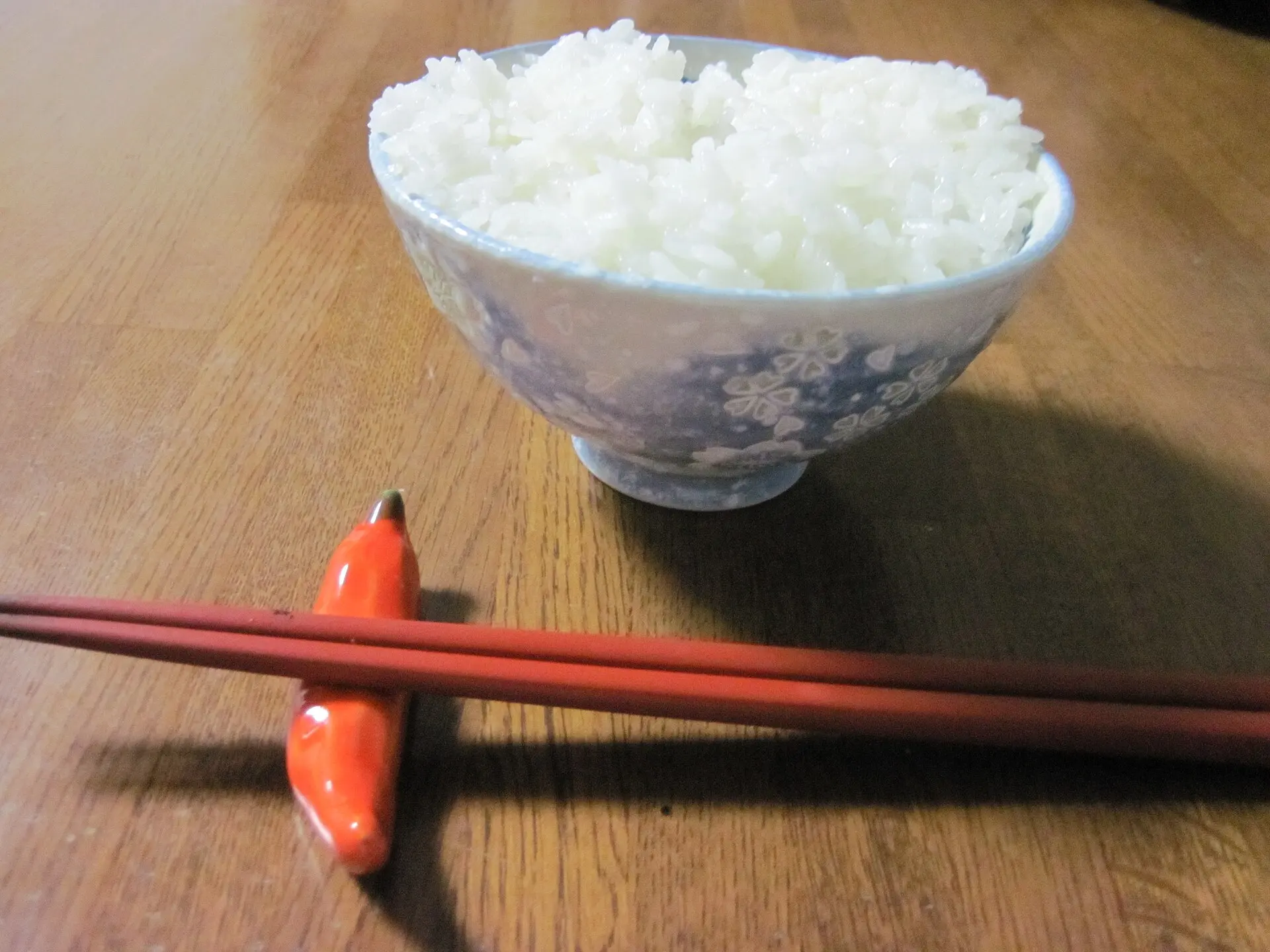
No. 02RICE
米Rice
Sushi rice, sake, miso, koji — much of Japanese food begins with rice.
Photo: さかおり / CC BY-SA 4.0 / Wikimedia Commons
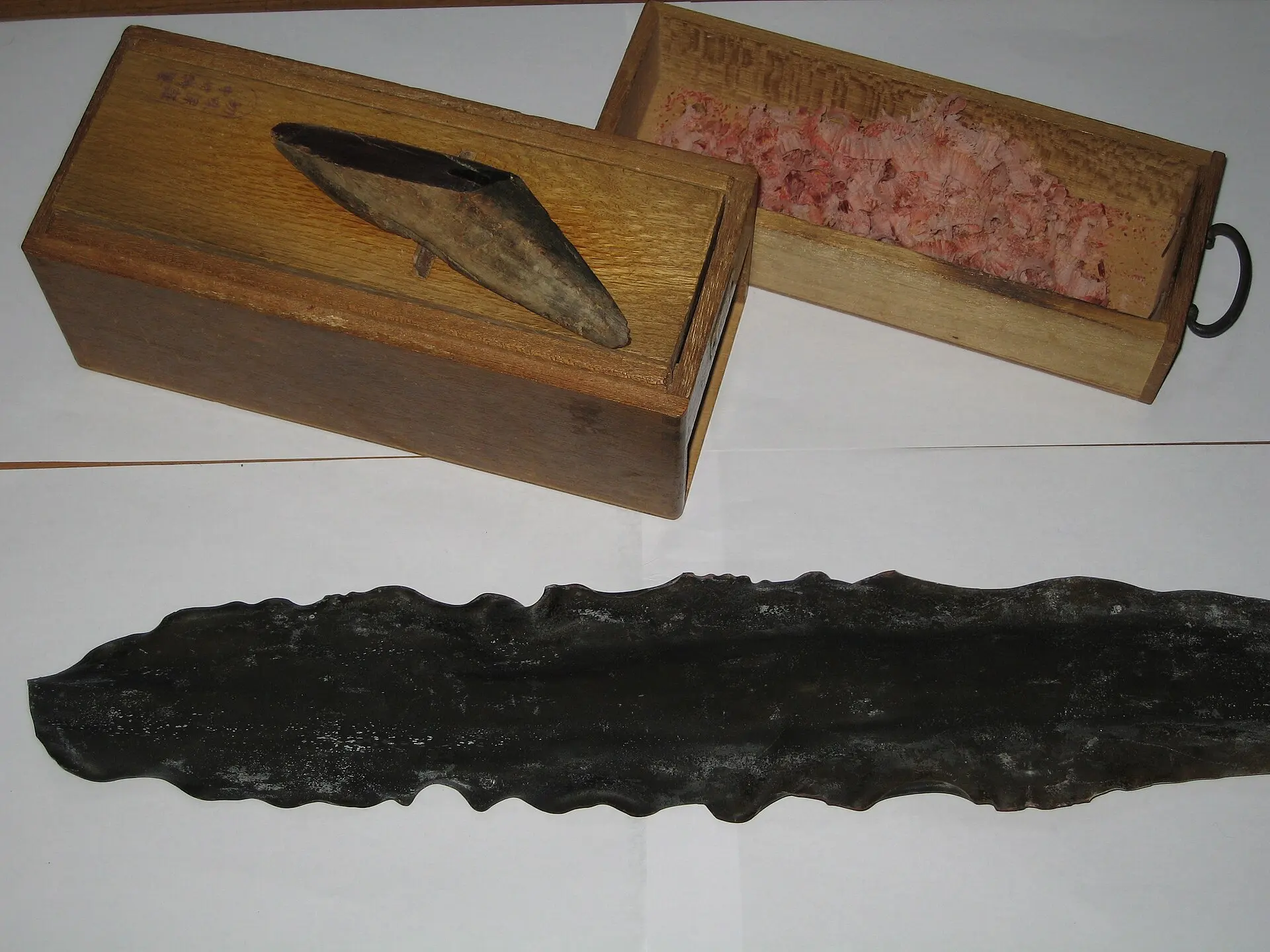
No. 03DASHI
出汁Dashi
Stock drawn from kombu and katsuobushi is the foundation of Japanese flavour.
Photo: サフィル / CC BY-SA 4.0 / Wikimedia Commons
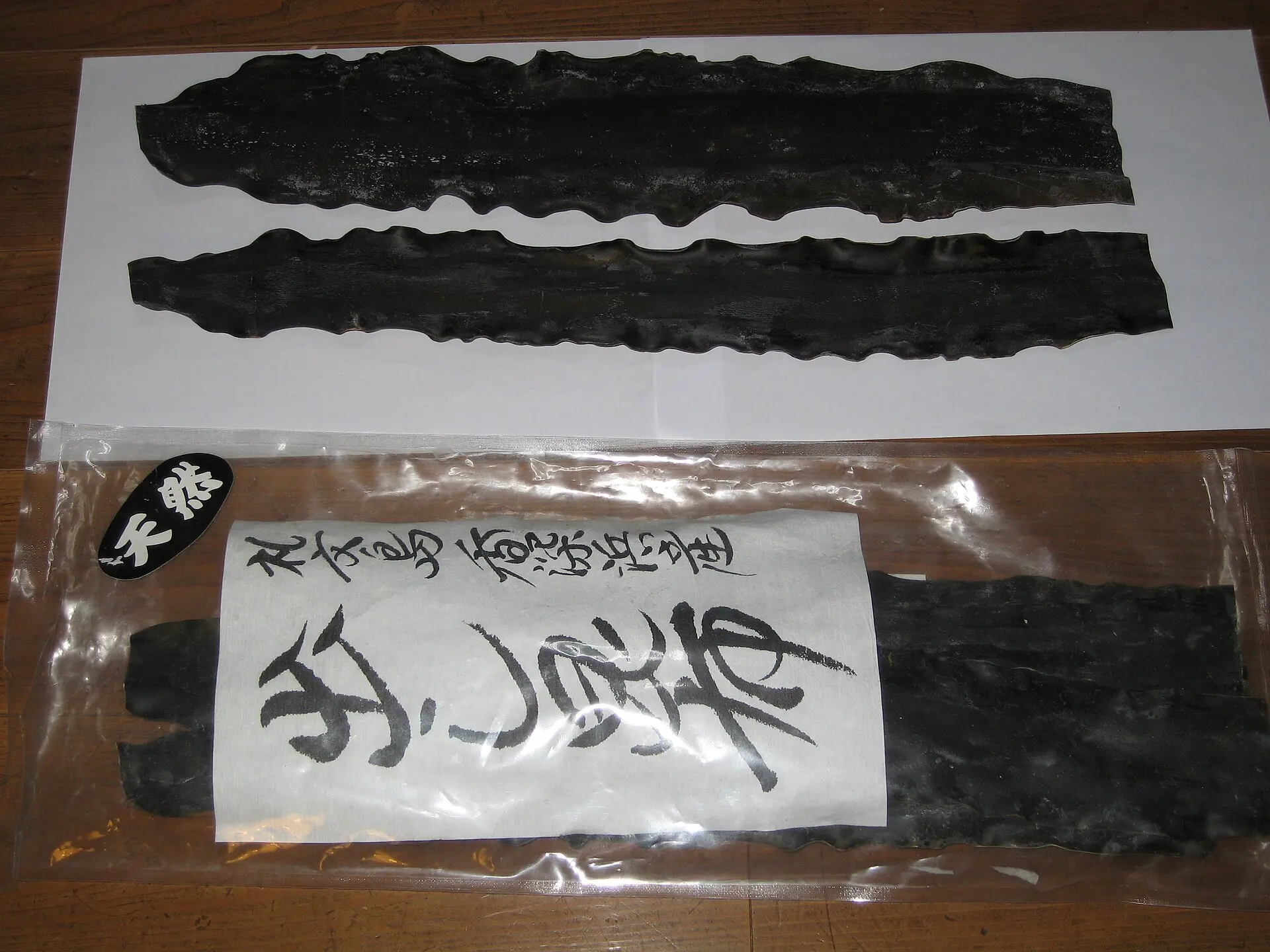
No. 04SEAWEED
海藻Seaweed
Kombu, nori, wakame — carriers of the sea's aroma and umami.
Photo: サフィル / CC BY-SA 4.0 / Wikimedia Commons
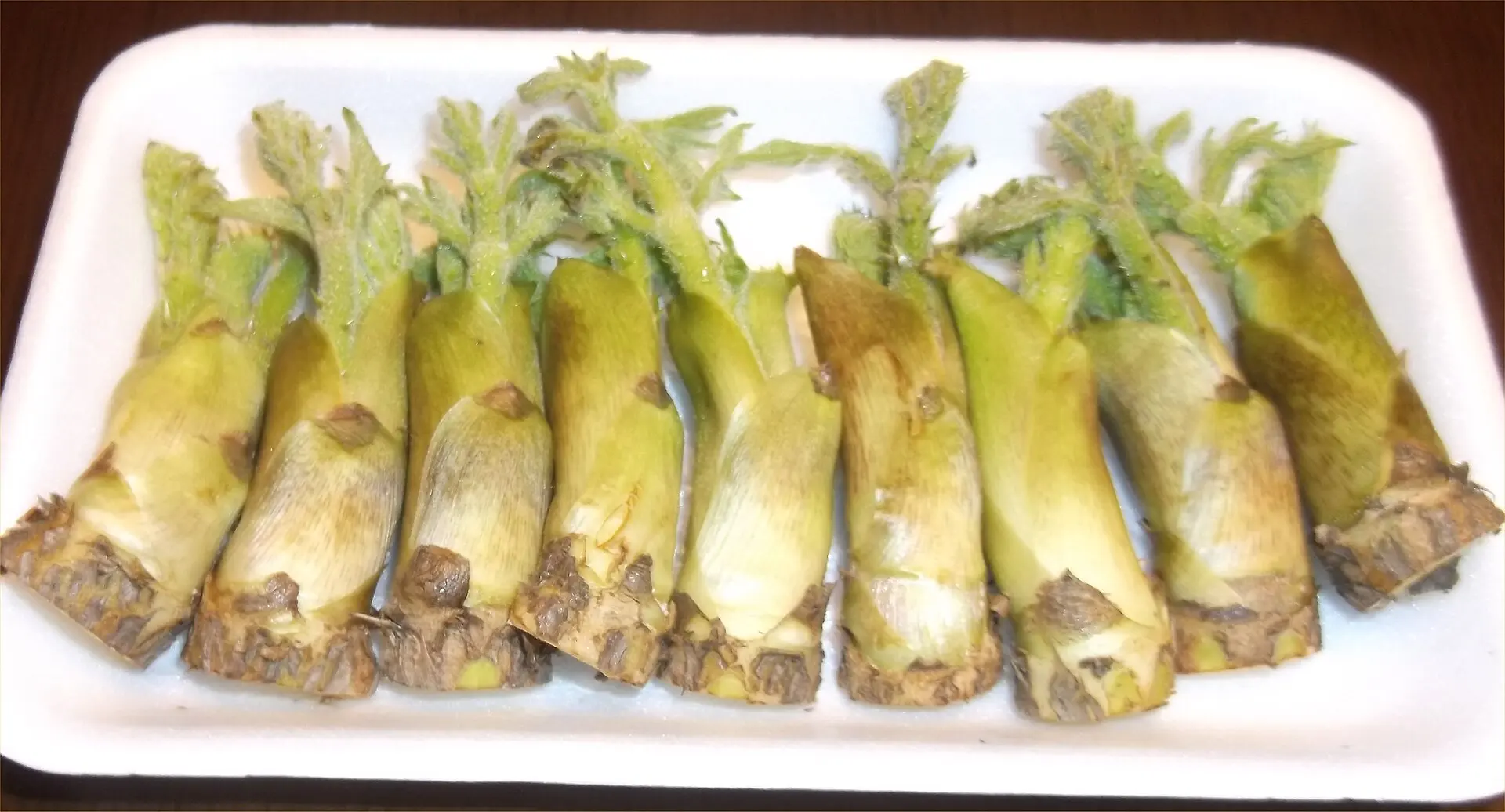
No. 05VEGETABLES
野菜Vegetables
Heirloom vegetables named for their places, and wild mountain greens that announce the season.
Photo: Kentin / CC BY-SA 4.0 / Wikimedia Commons
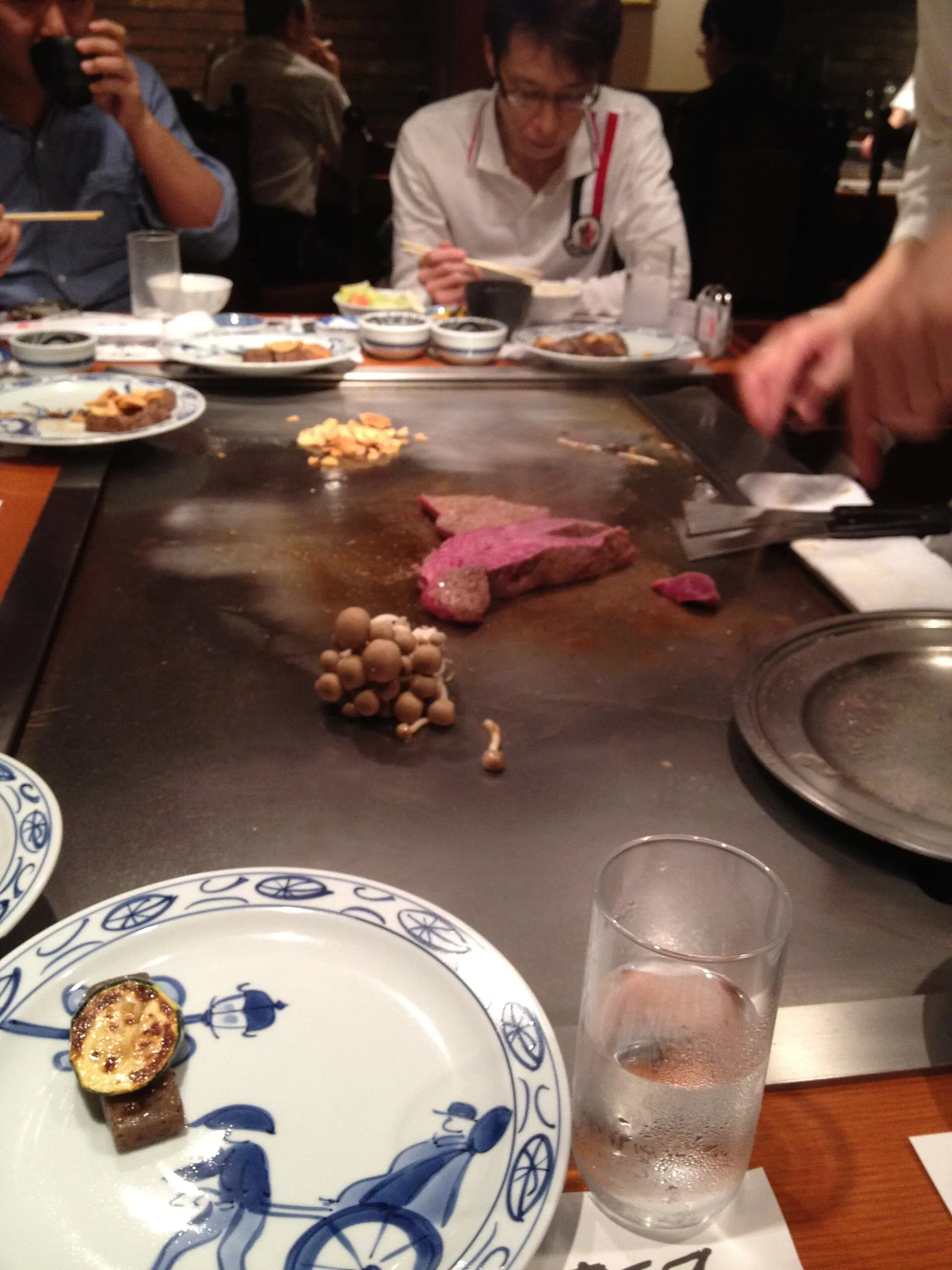
No. 06WAGYU
和牛Wagyu
The word for Japan's beef cattle breeds, many carrying the name of where they are raised.
Photo: sailko / CC BY-SA 3.0 / Wikimedia Commons
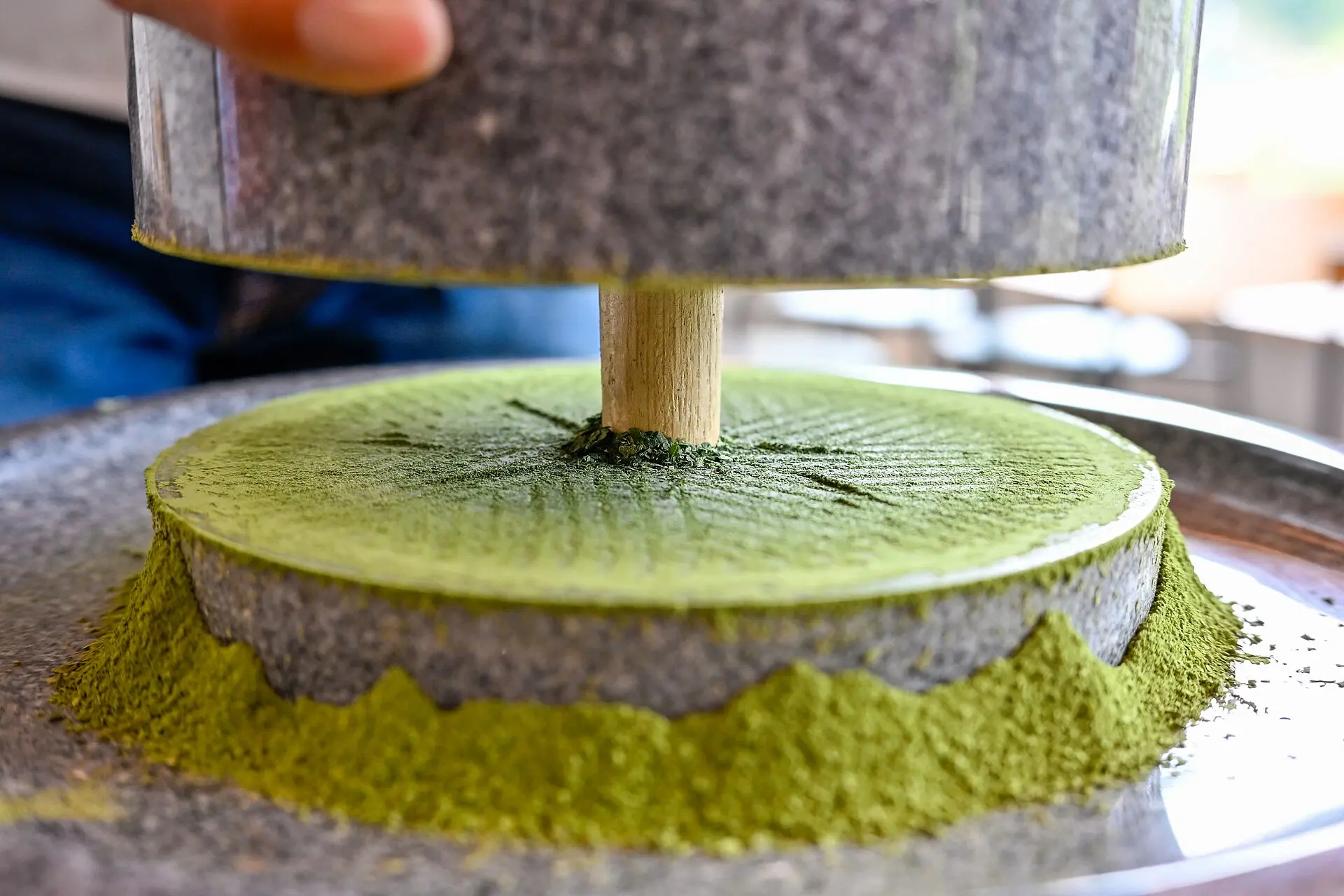
No. 07TEA
茶Tea
Matcha, sencha, hojicha — linking the meal to the culture of tea.
Photo: Derjochenmeyer / CC BY-SA 4.0 / Wikimedia Commons
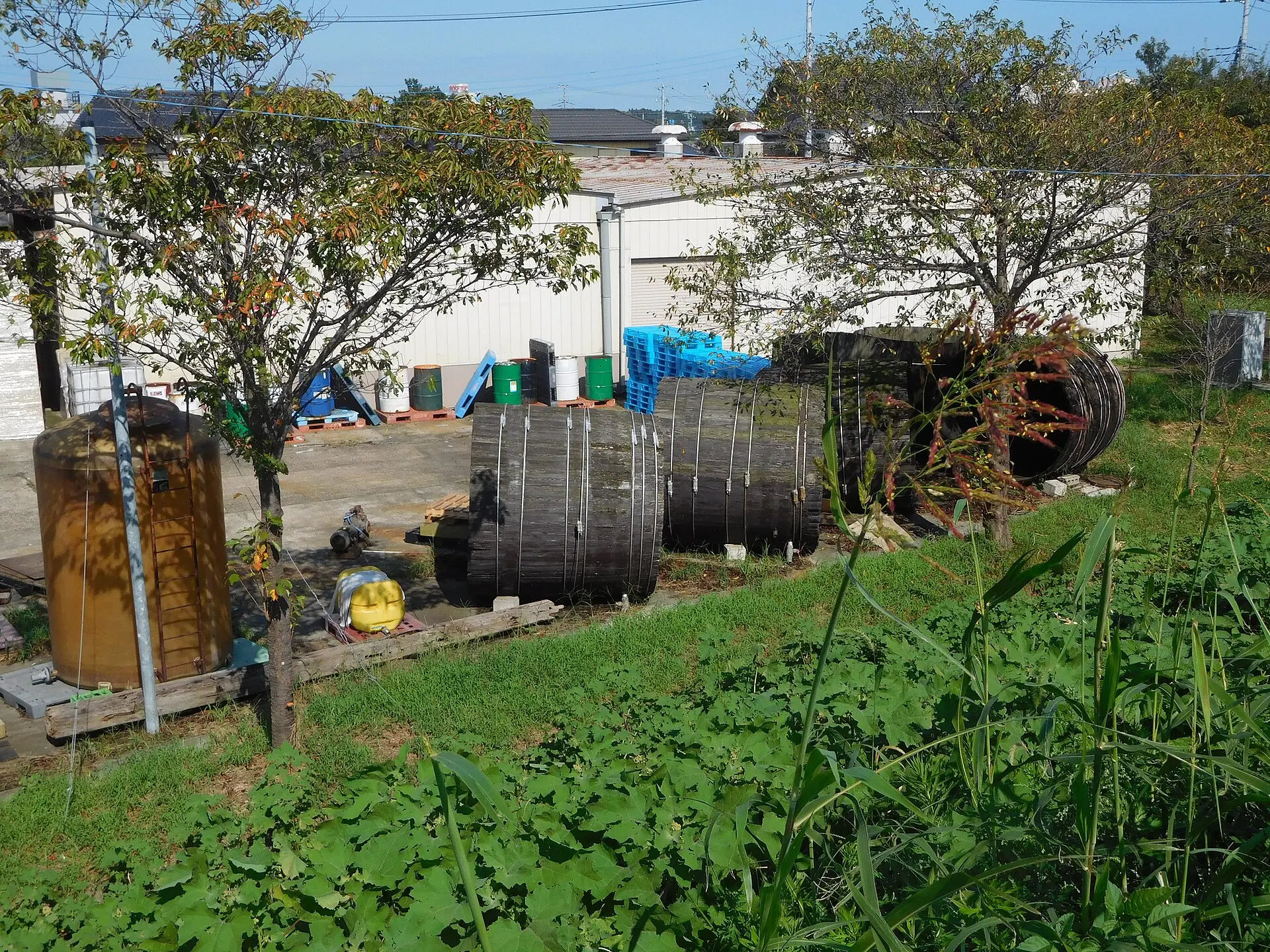
No. 08FERMENTATION
発酵Fermentation
Miso, soy sauce, vinegar, sake — flavours made by microbes and time.
Photo: Miyuki Meinaka / CC BY-SA 4.0 / Wikimedia Commons
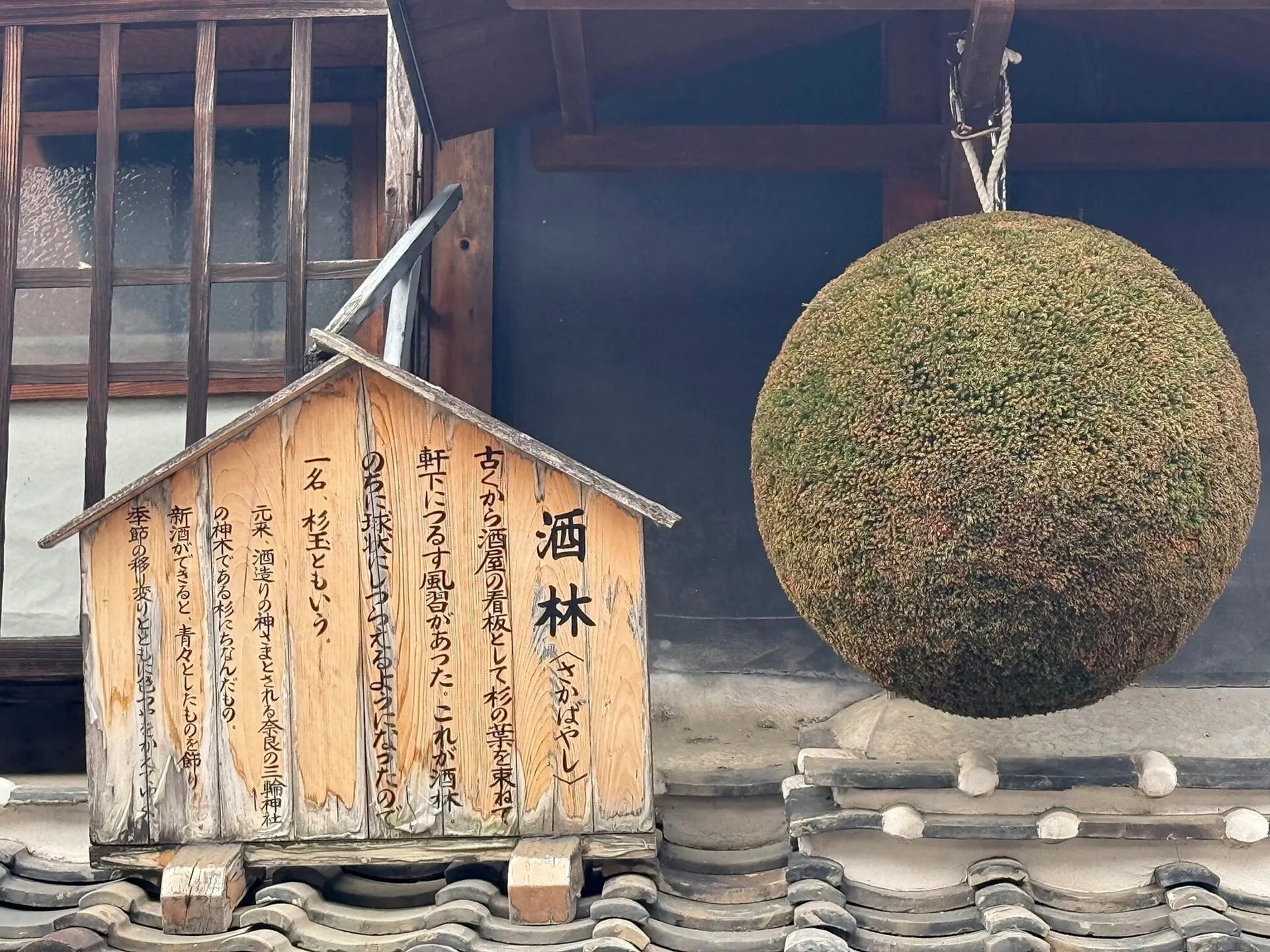
No. 09SAKE CULTURE
酒の文化Sake culture
Breweries and vessels — the culture of sake at the table.
Photo: Makoragi / CC BY 4.0 / Wikimedia Commons
13Restaurant × Craft
Ceramics, lacquer, glass, knives, wood and sake vessels — the craft cultures that receive the food.
Read the story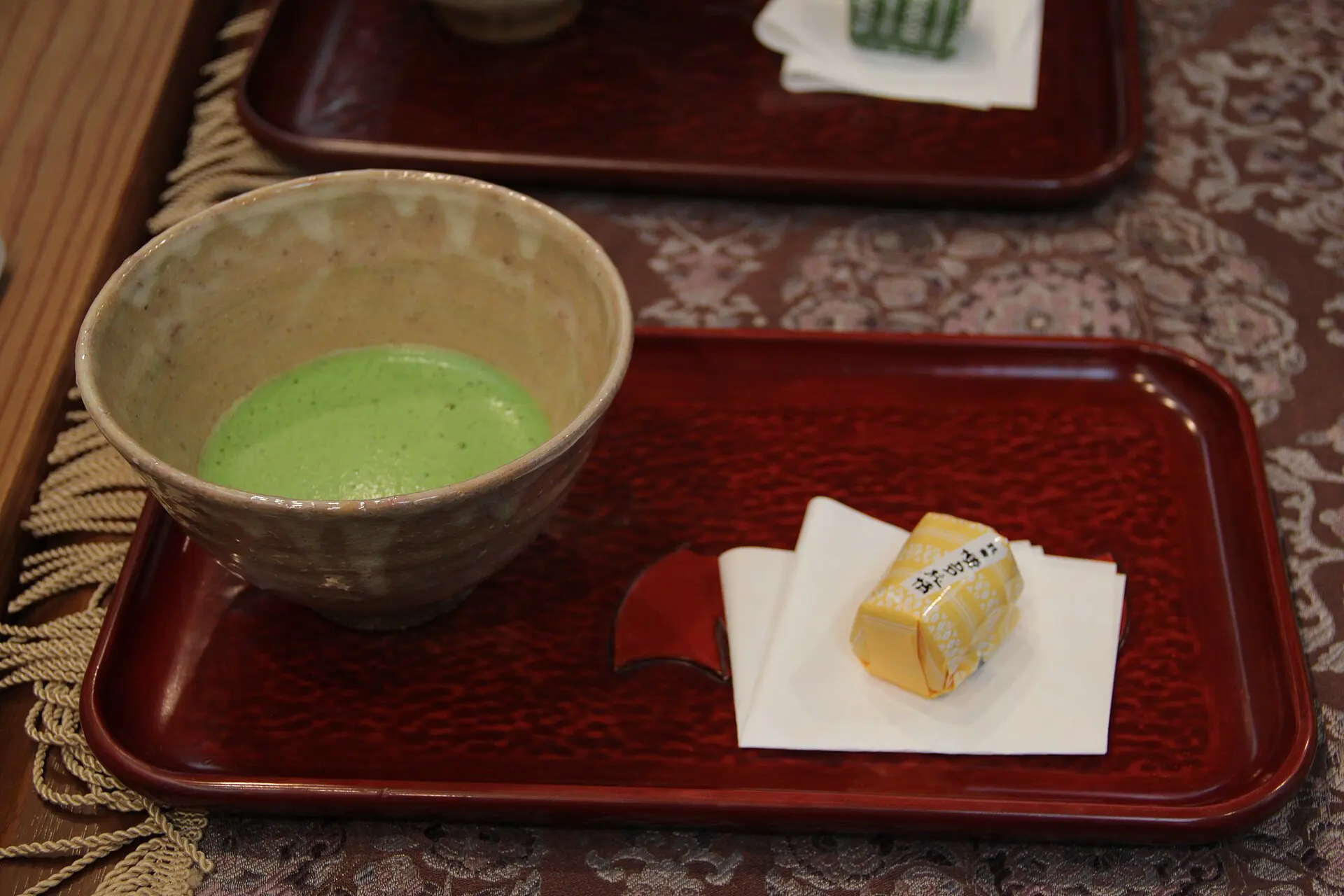
No. 01CERAMICS
陶磁器Ceramics
Arita, Kyoto, Bizen — each place with its own clay, glaze and firing.
Photo: Kyle McDonald from Brooklyn, New York, USA / CC BY 2.0 / Wikimedia Commons
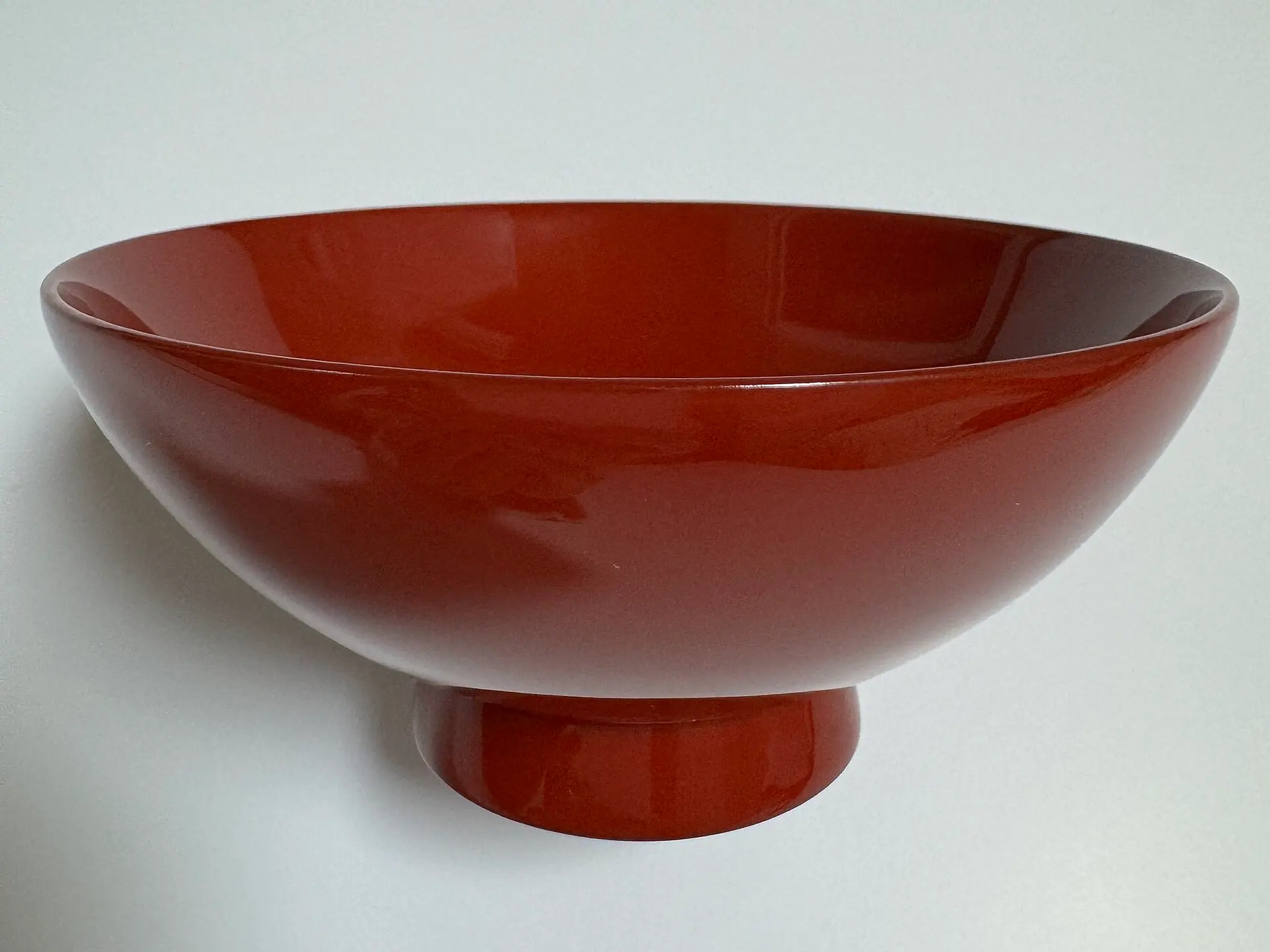
No. 02LACQUER
漆器Lacquerware
Wood built up in coats of urushi lacquer — Wajima-nuri among the best known.
Photo: yuuki ゆうき(金野裕希) / CC BY-SA 4.0 / Wikimedia Commons
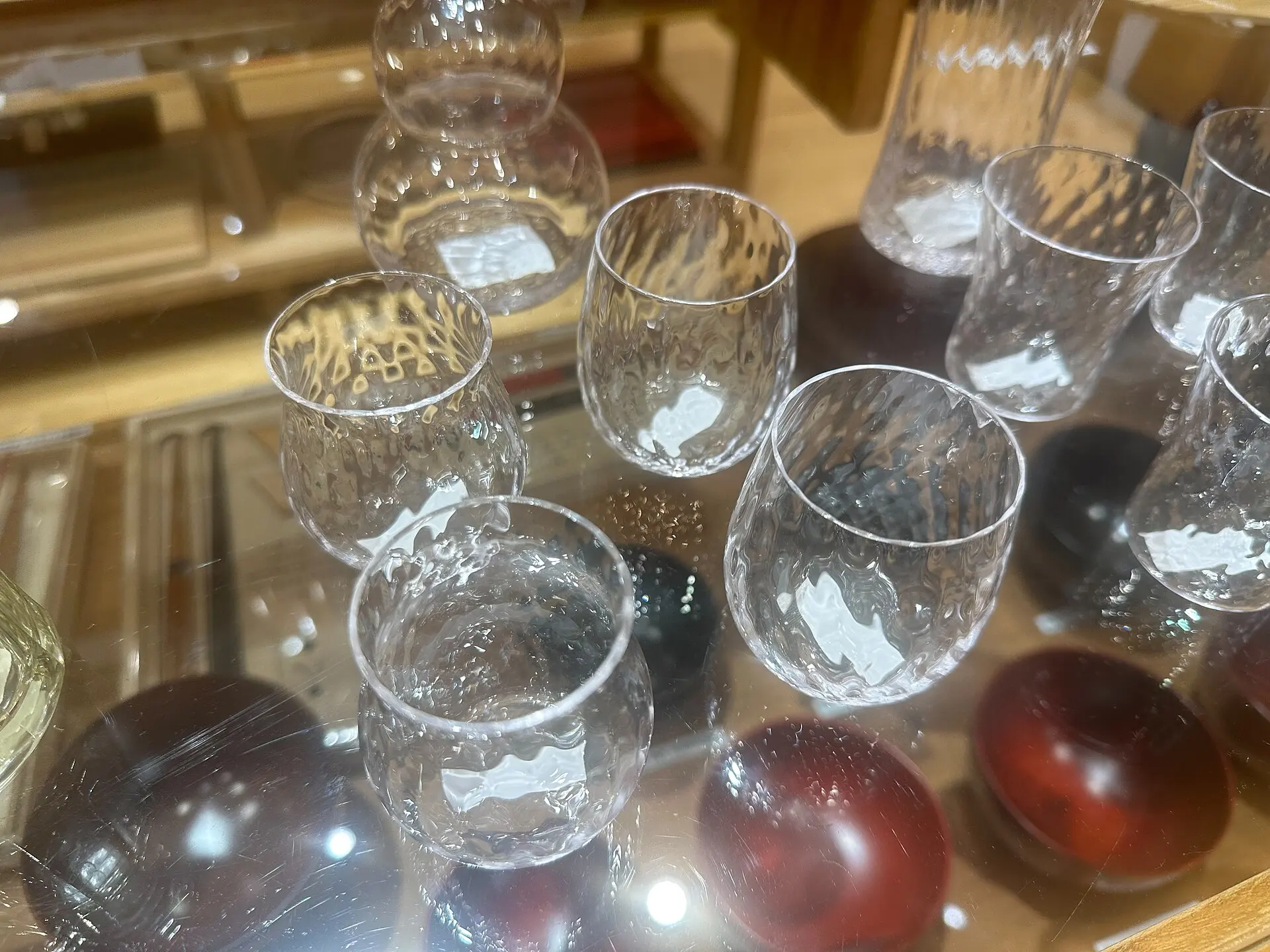
No. 03GLASS
ガラスGlass
Edo kiriko and Satsuma kiriko cut glass — coolness for the summer table.
Photo: Nesnad / CC BY 4.0 / Wikimedia Commons
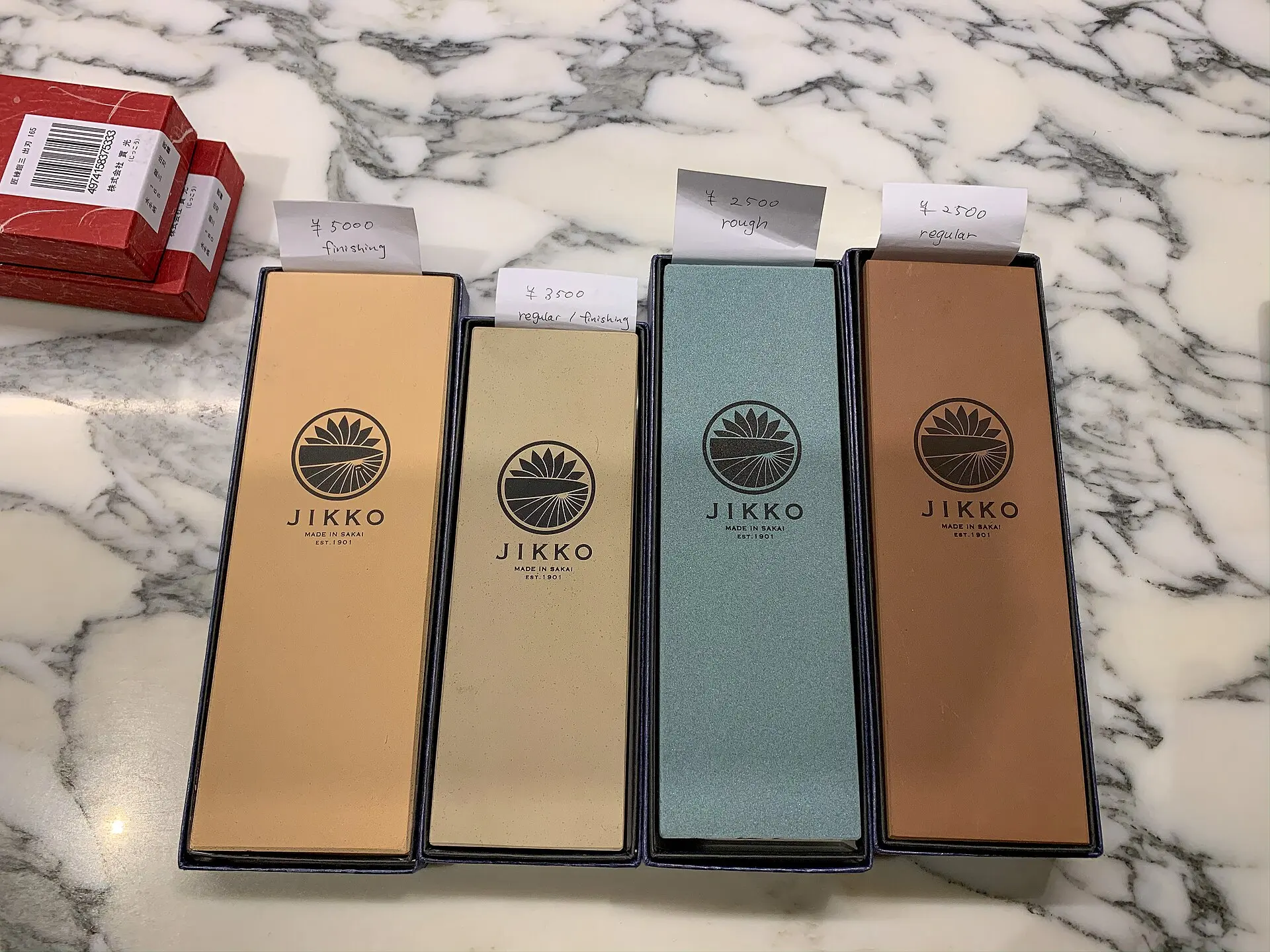
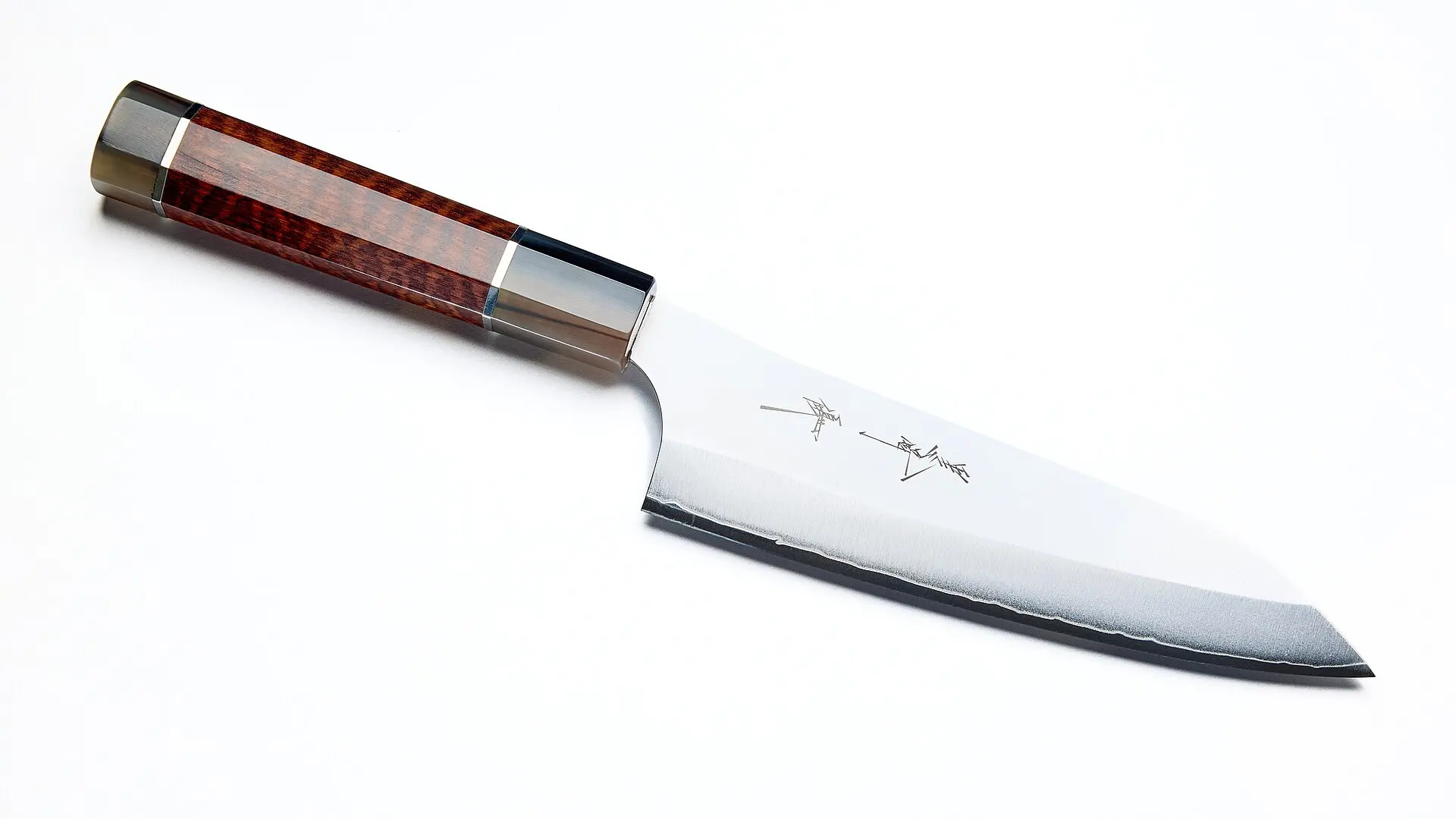
No. 04KNIVES
刃物Knives
Sakai, Seki, Echizen — a cook's work lives in the blade.
Photo: Stephan Ridgway from Brisbane, Australia / CC BY 2.0 / Wikimedia Commons
No. 05WOOD
木工Woodwork
Hinoki counters, plain-wood boards, bent-wood boxes.
Photo: Culture Japon / CC BY-SA 4.0 / Wikimedia Commons
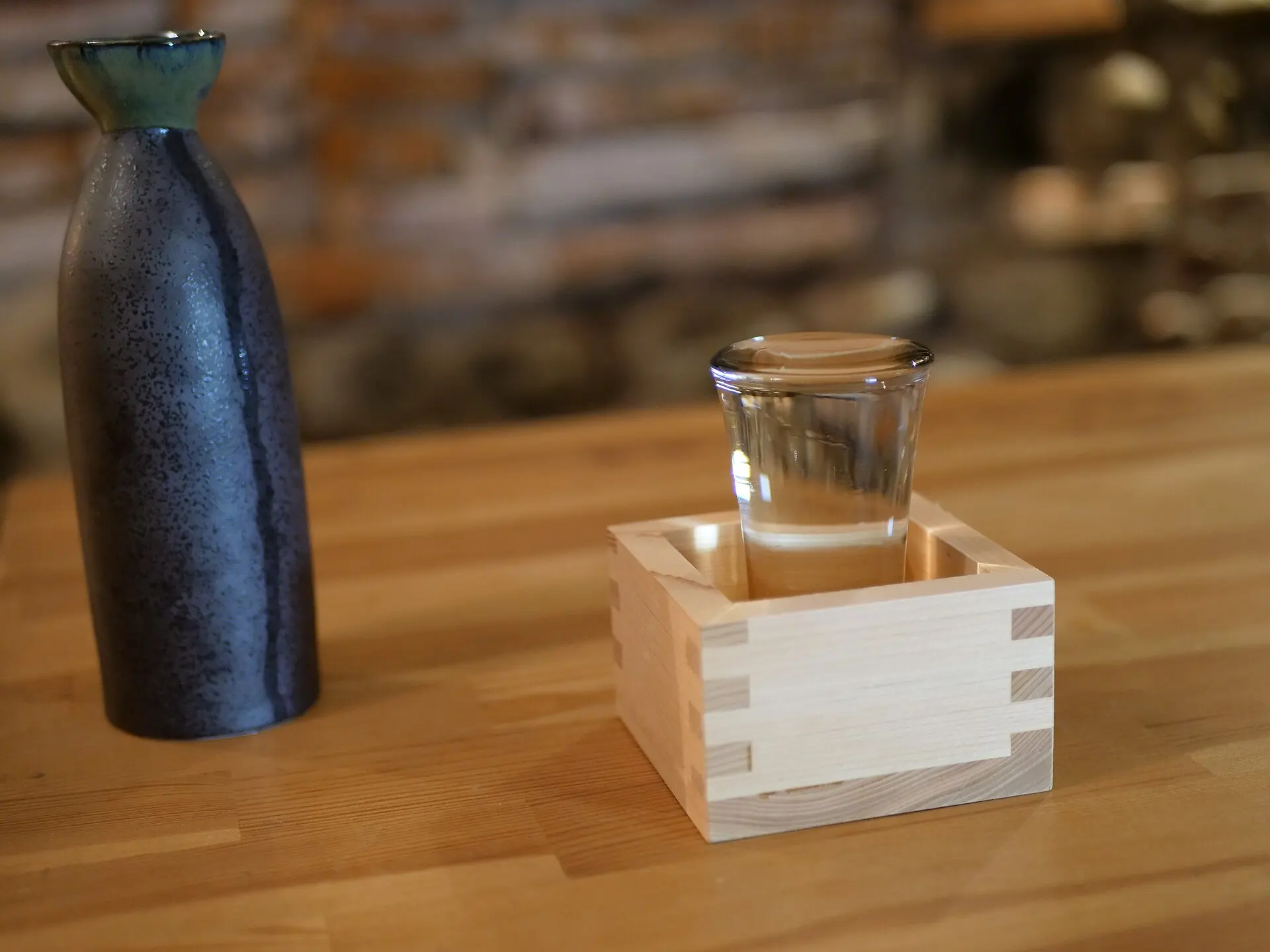
No. 06SAKE VESSELS
酒器Sake vessels
Tokkuri and choko — vessels that hold the temperature and aroma of sake.
Photo: Asturio Cantabrio / CC BY-SA 4.0 / Wikimedia Commons
14Architecture
Counters, gardens, townhouses, light. Architects and designers are named only where a source confirms them.
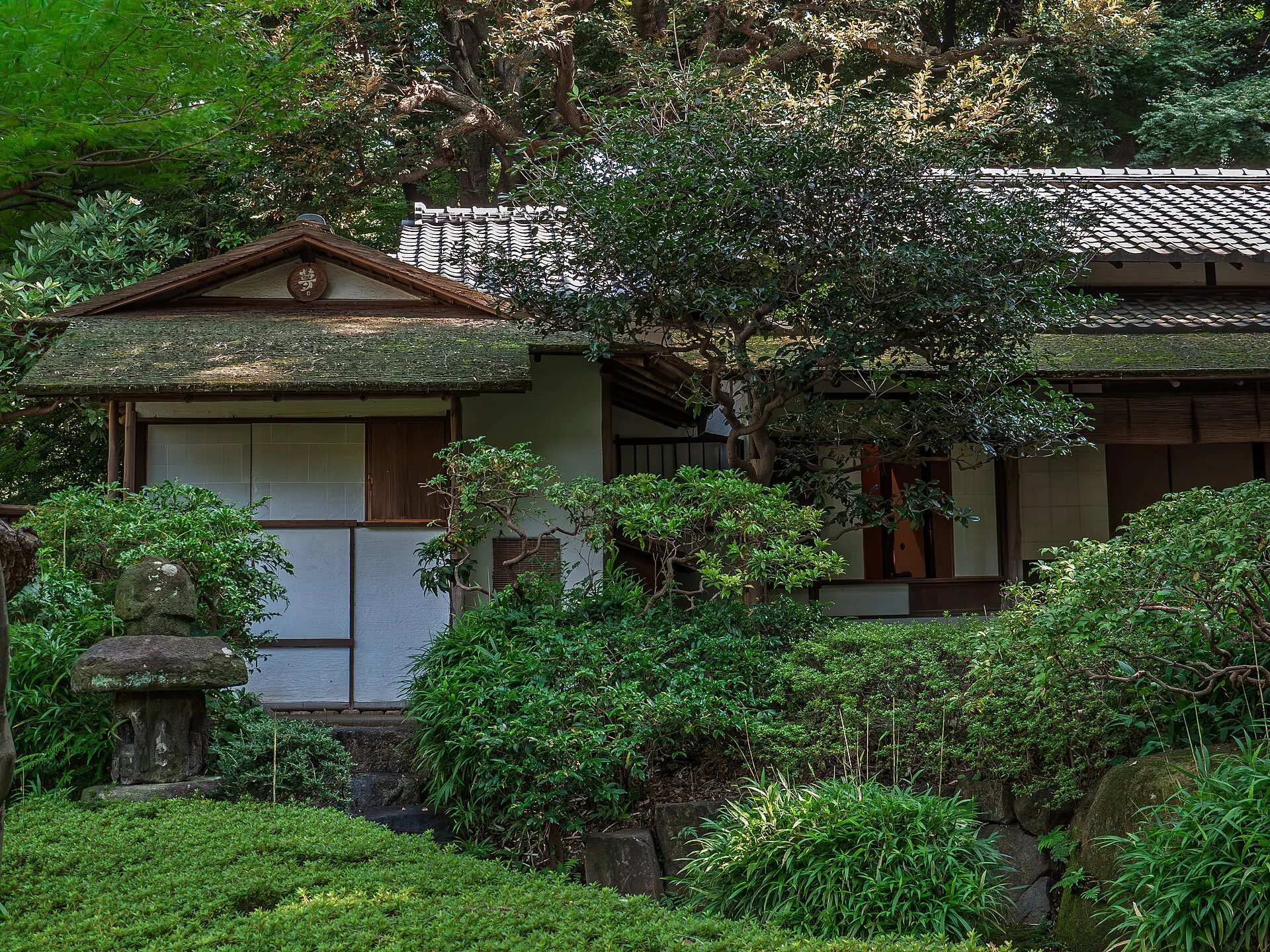
COUNTER
カウンター
A single board that separates cook and guest, and joins them.
Photo: Basile Morin / CC BY-SA 4.0 / Wikimedia Commons
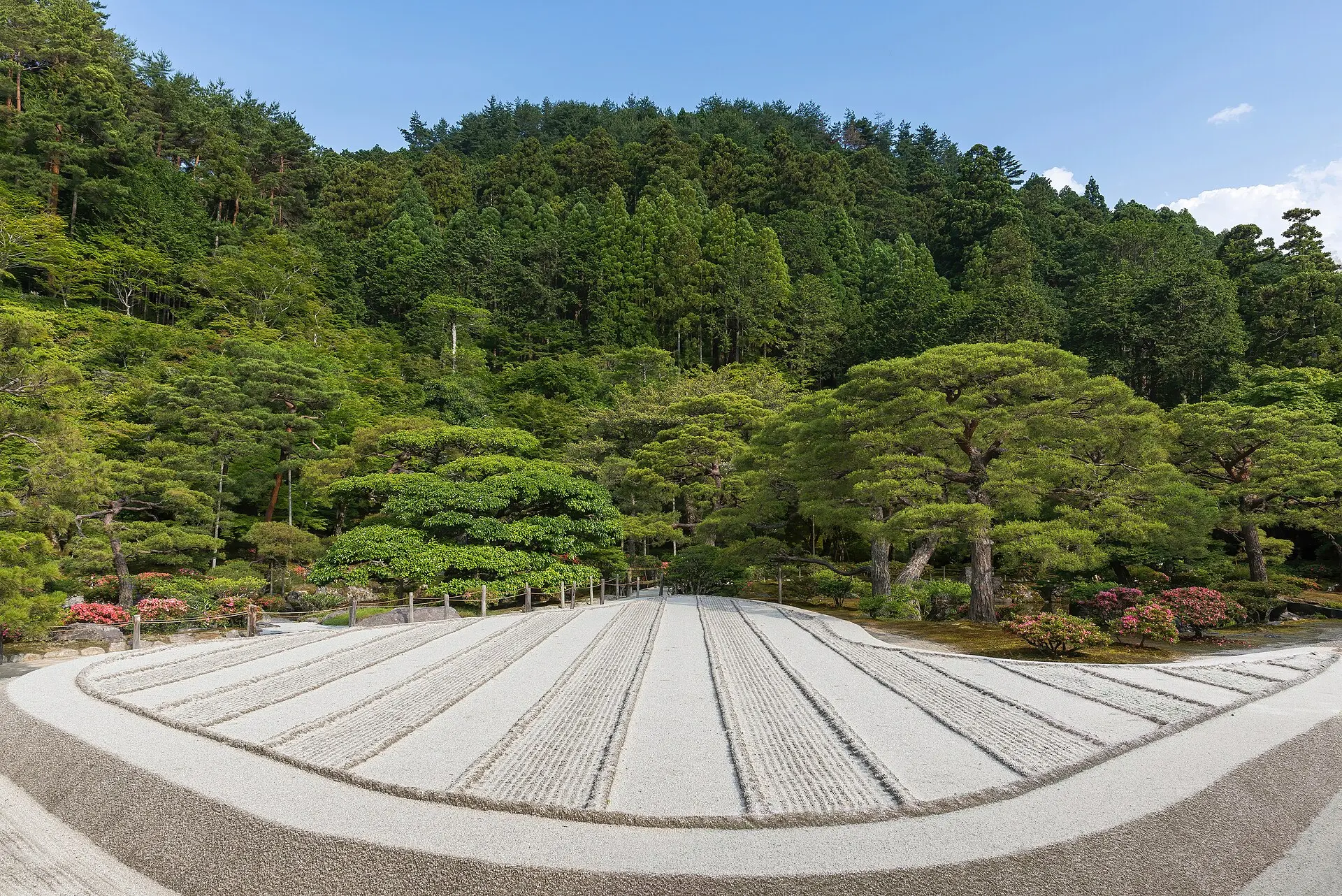
GARDEN
庭
Seen from the room, the garden carries the season indoors.
Photo: Reinhold Möller Ermell / CC BY-SA 4.0 / Wikimedia Commons
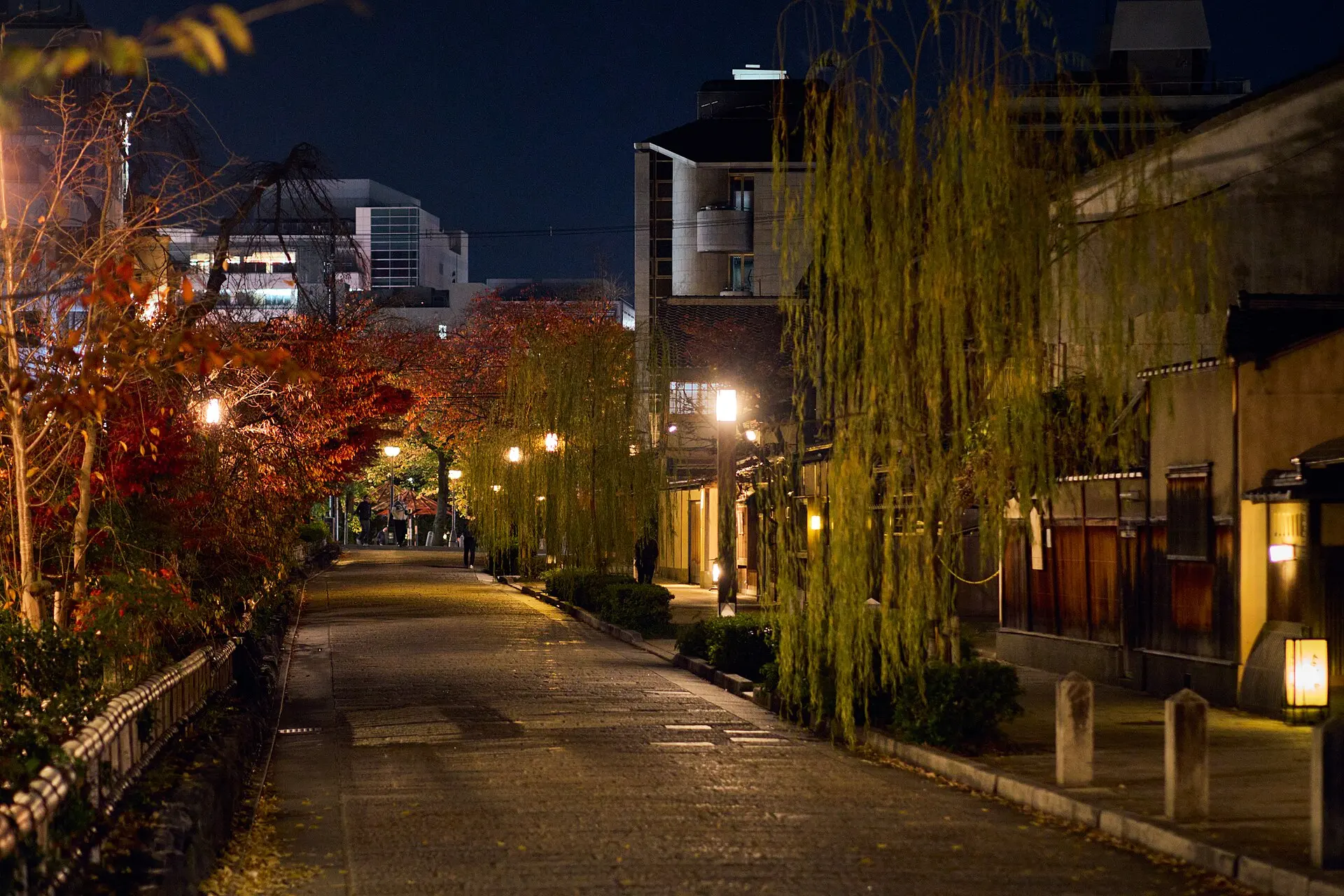
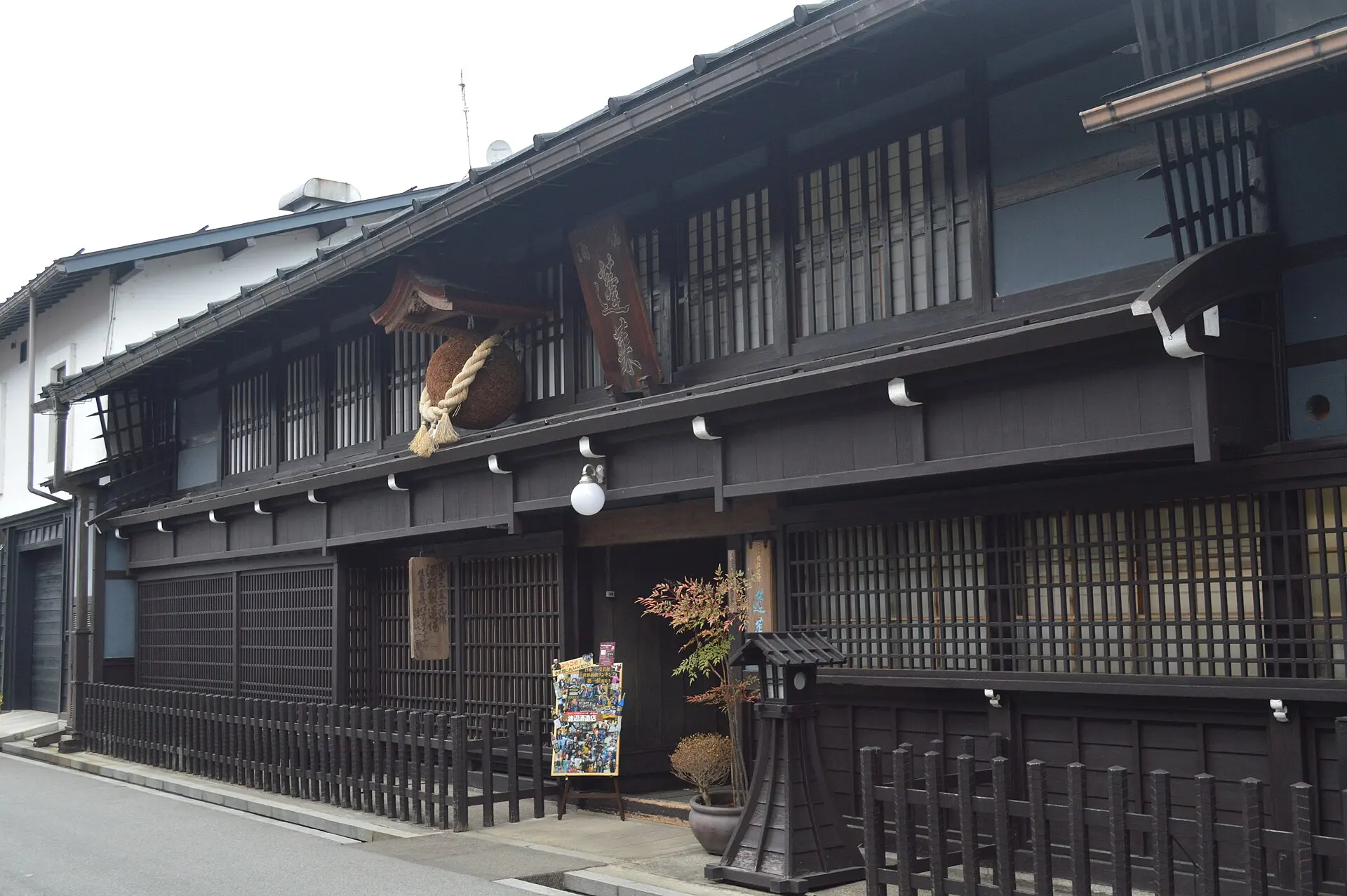
MACHIYA
町家
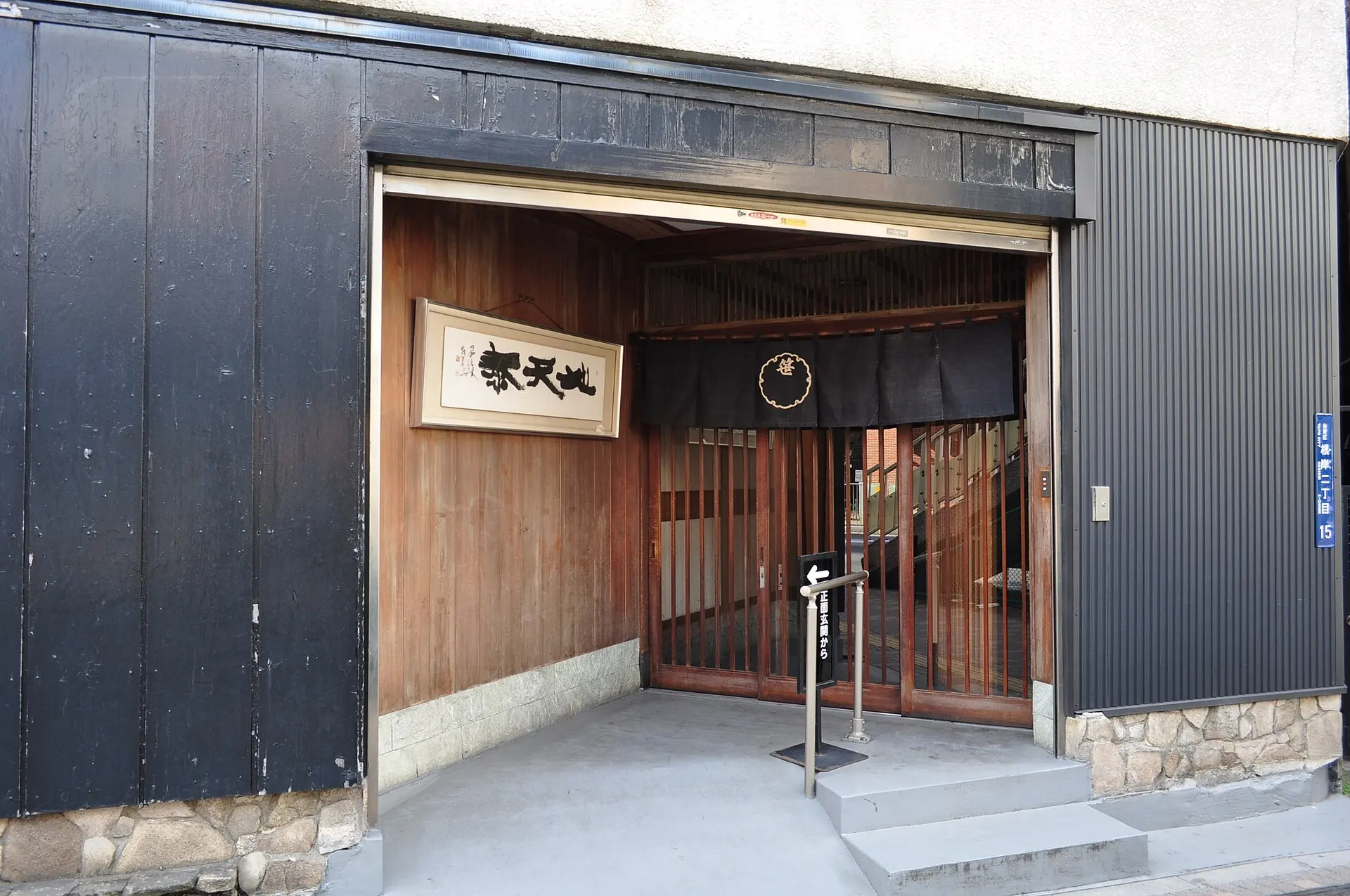
Wooden townhouses on the street; behind lattice and noren, a table.
Photo: lumoplank / CC0 / Wikimedia Commons
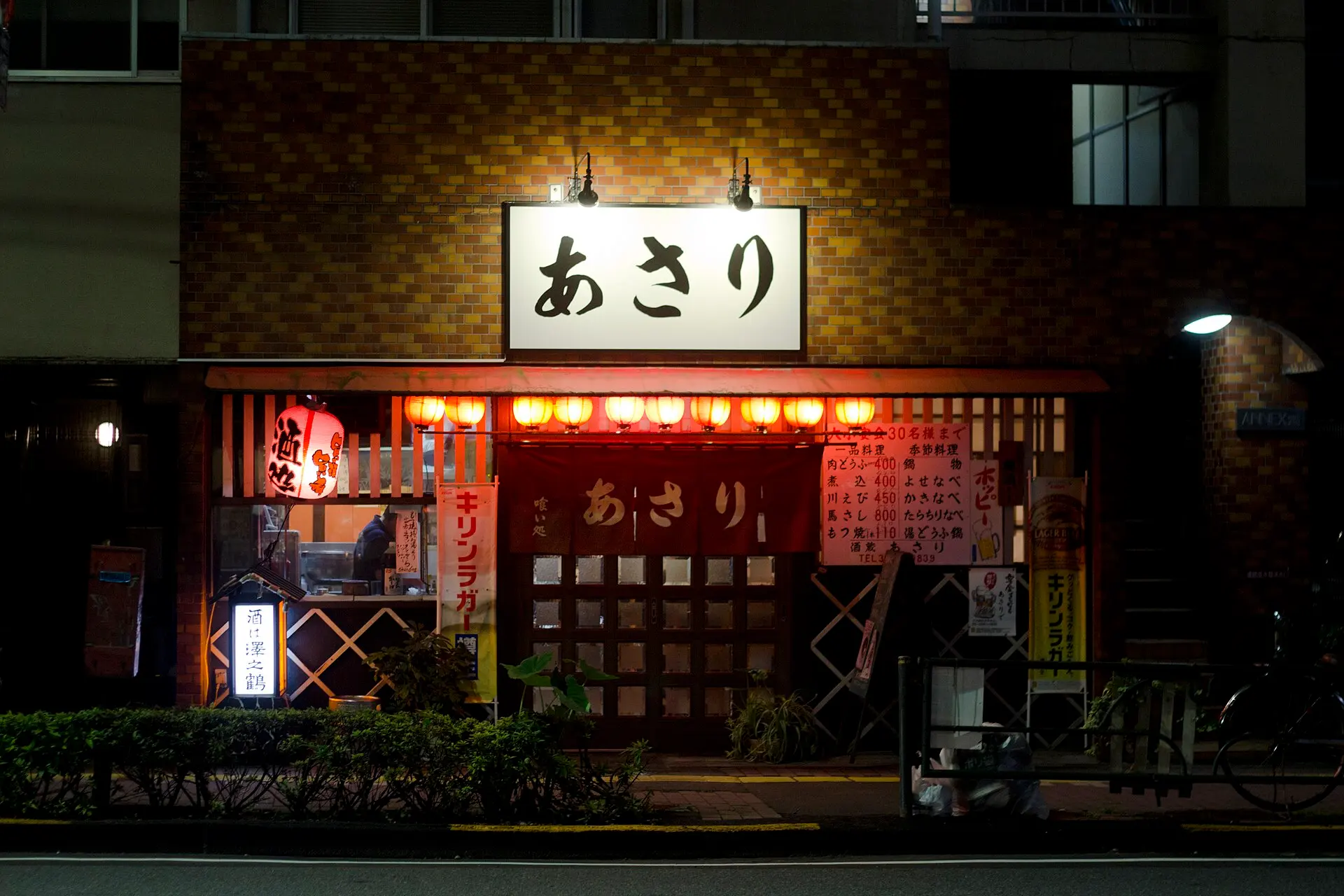
LIGHT
光
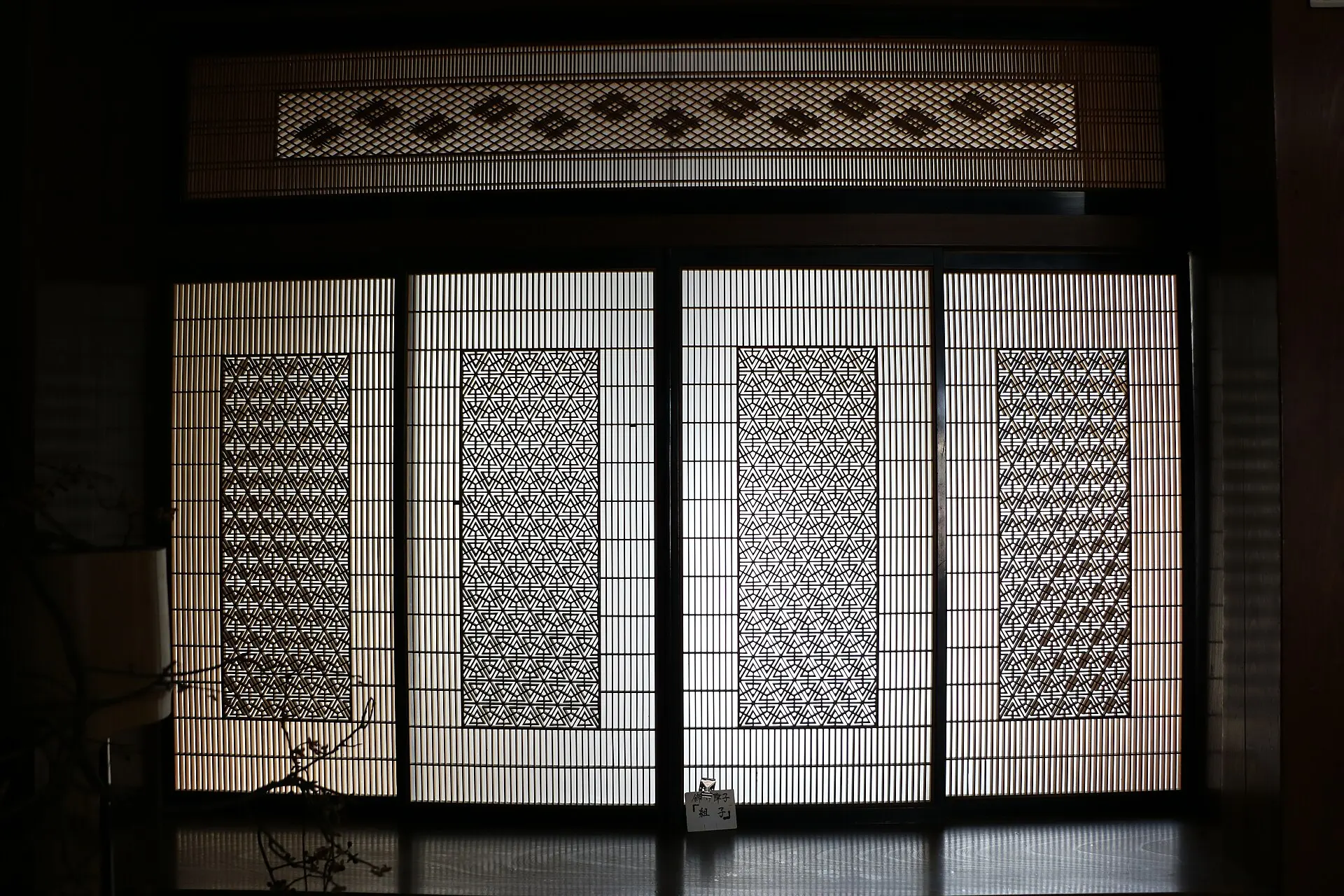
Light through shoji, paper lanterns, evening lamps — light decides how food is seen.
Photo: Japanexperterna.se / CC BY-SA 3.0 / Wikimedia Commons
15Editorial
INGREDIENT
Kombu and katsuobushi — Japanese flavour begins where you cannot see it.
CRAFT
A cook's work lives with its tools.
TABLEWARE
Porcelain, lacquer, glass — the vessel is the other half of the dish.
SEASON
Season is not a calendar — it shifts with place and year.
16Films — cited from YouTube
Films cited from official channels of restaurants, chefs, guides, government and tourism bodies. Nothing loads from YouTube until you press play.
All filmsBroadcaster / mediaカンテレNEWS10 July 2026
News feature on the philosophy and succession of Yoshihiro Murata of Kikunoi Honten, Kyoto.
Kikunoi HontenYoshihiro MurataJapanese cuisine
Source: YouTube (embedded with the official player) — Watch on YouTube · Verified 26 September 2026
Restaurant / chef officialL' Effervescence11 April 2026
Official long-version promotional film of L'Effervescence.
Source: YouTube (embedded with the official player) — Watch on YouTube · Verified 26 September 2026
Government東京都 Tokyo Metropolitan Government24 September 2025
Tokyo's governor visits Sukiyabashi Jiro founder Jiro Ono ahead of his 100th birthday.
Sukiyabashi Jiro Main ShopJiro OnoSushi
Source: YouTube (embedded with the official player) — Watch on YouTube · Verified 26 September 2026
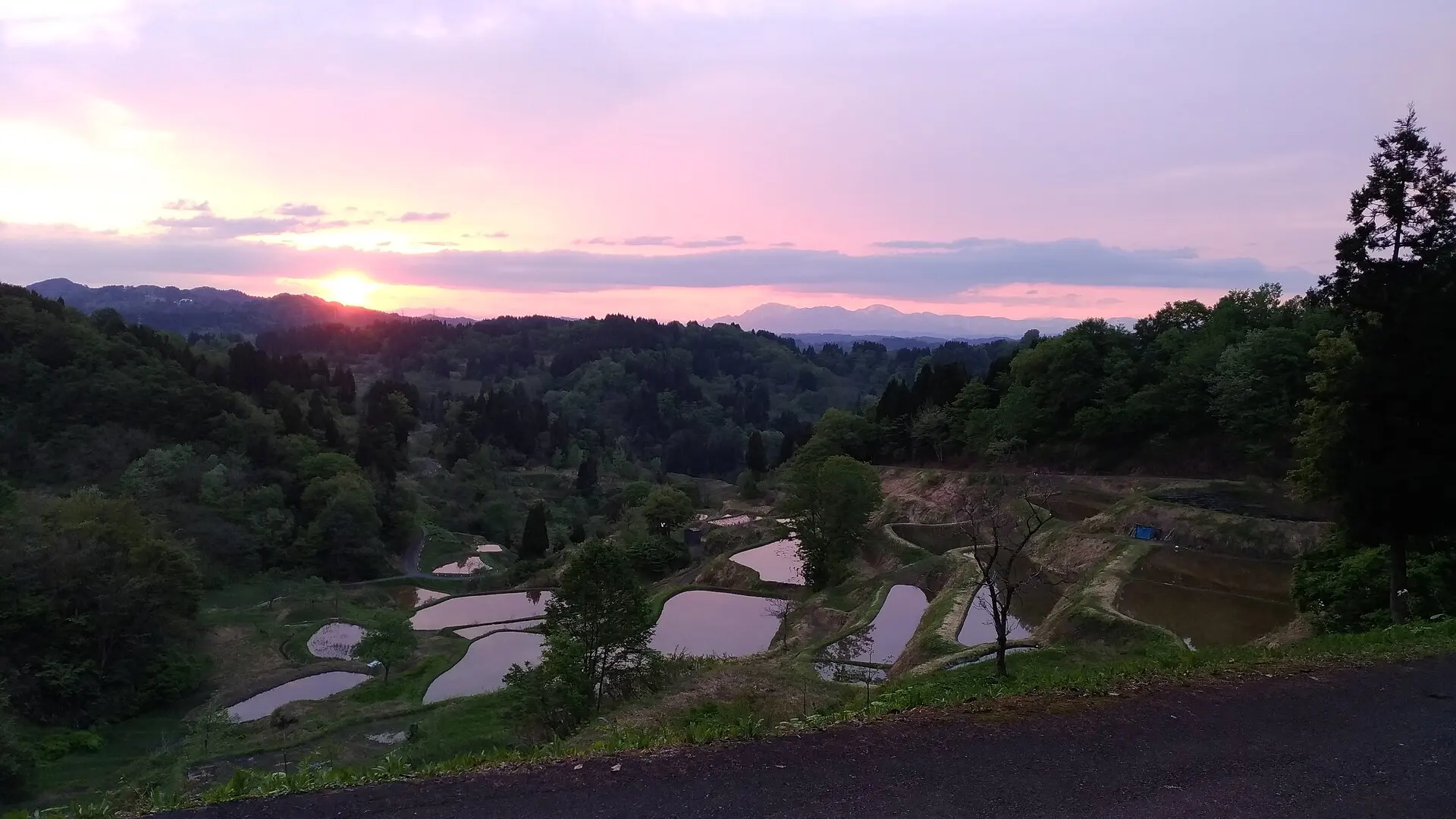
Every table begins in a landscape.
Ingredients — Tableware — Interiors — Landscapes
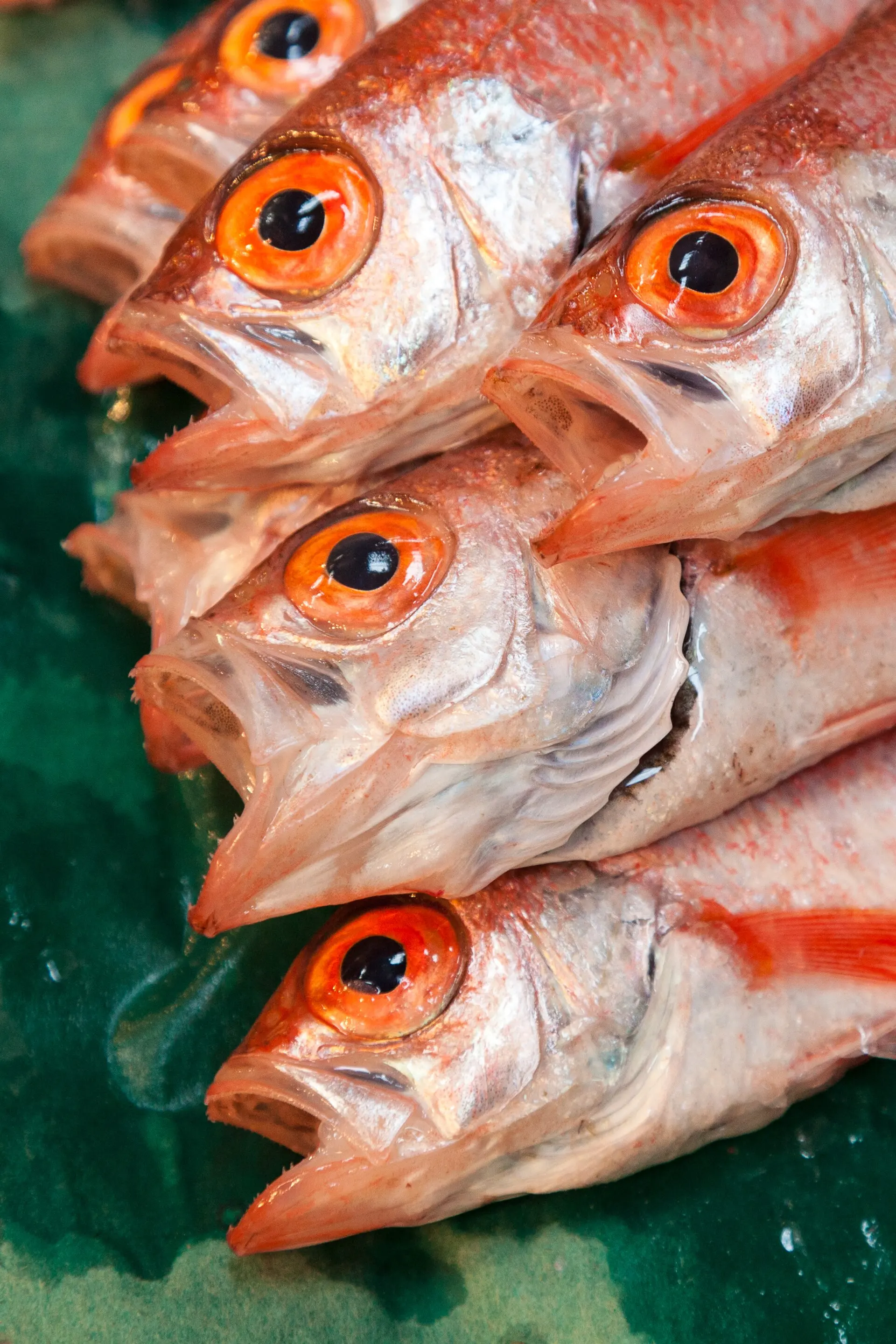 INGREDIENTRockfish for sale at Tsukiji fish marketTsukiji, Tokyo
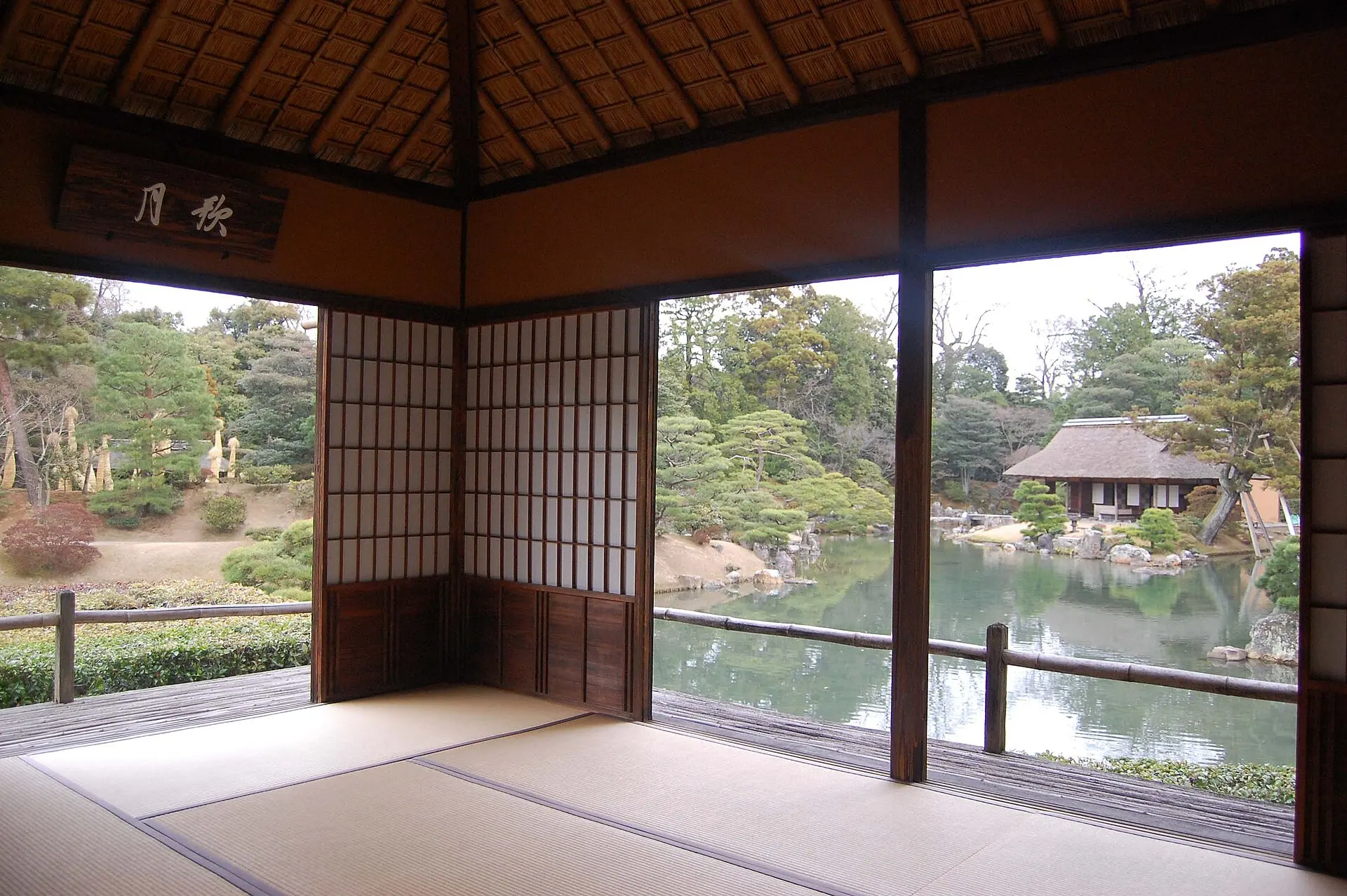 INTERIORGeppa-rō tea pavilion at Katsura Imperial VillaKatsura Imperial Villa, Kyoto
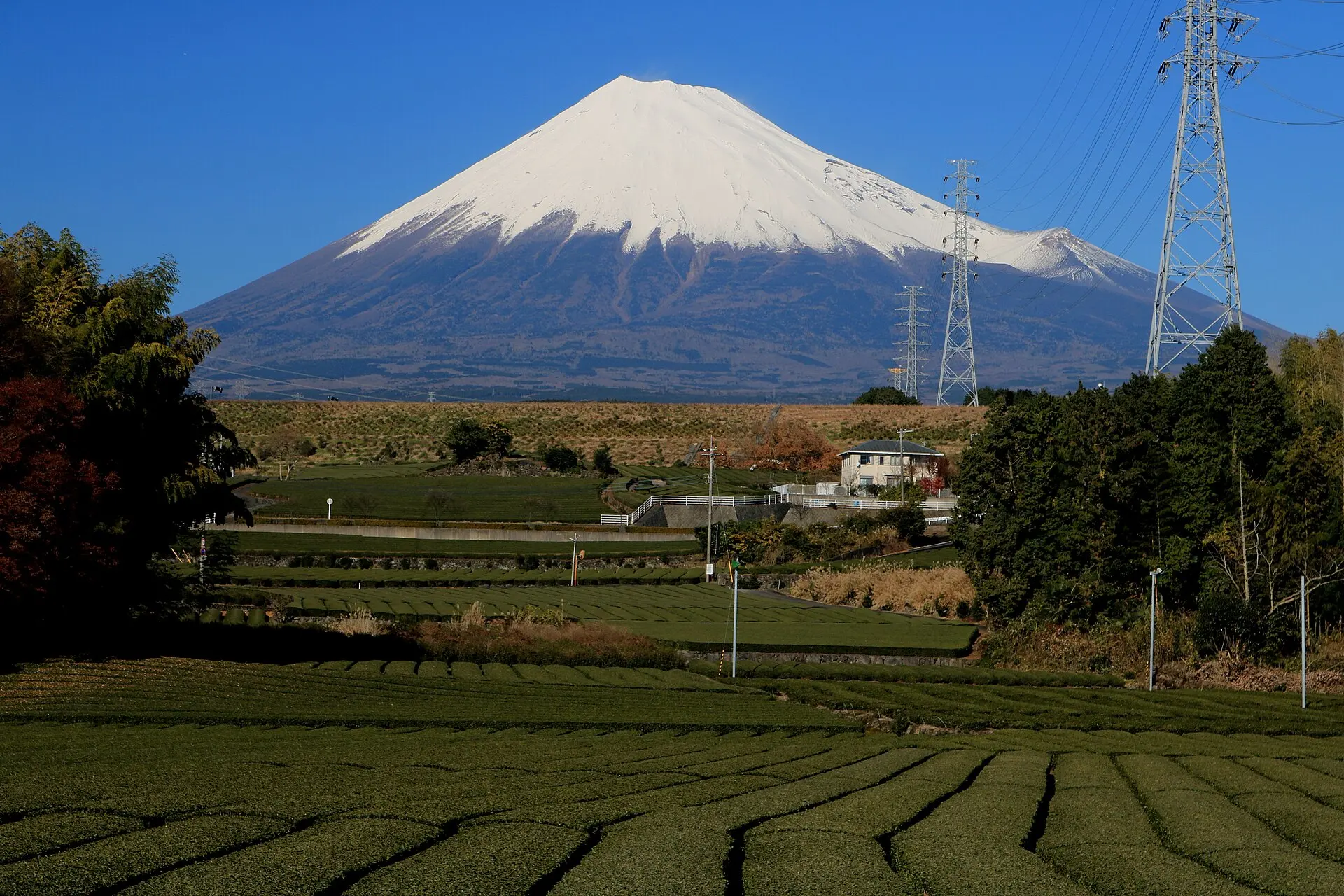 INGREDIENTTea plantation with Mount Fuji in the background, Fuji, ShizuokaFuji, Shizuoka
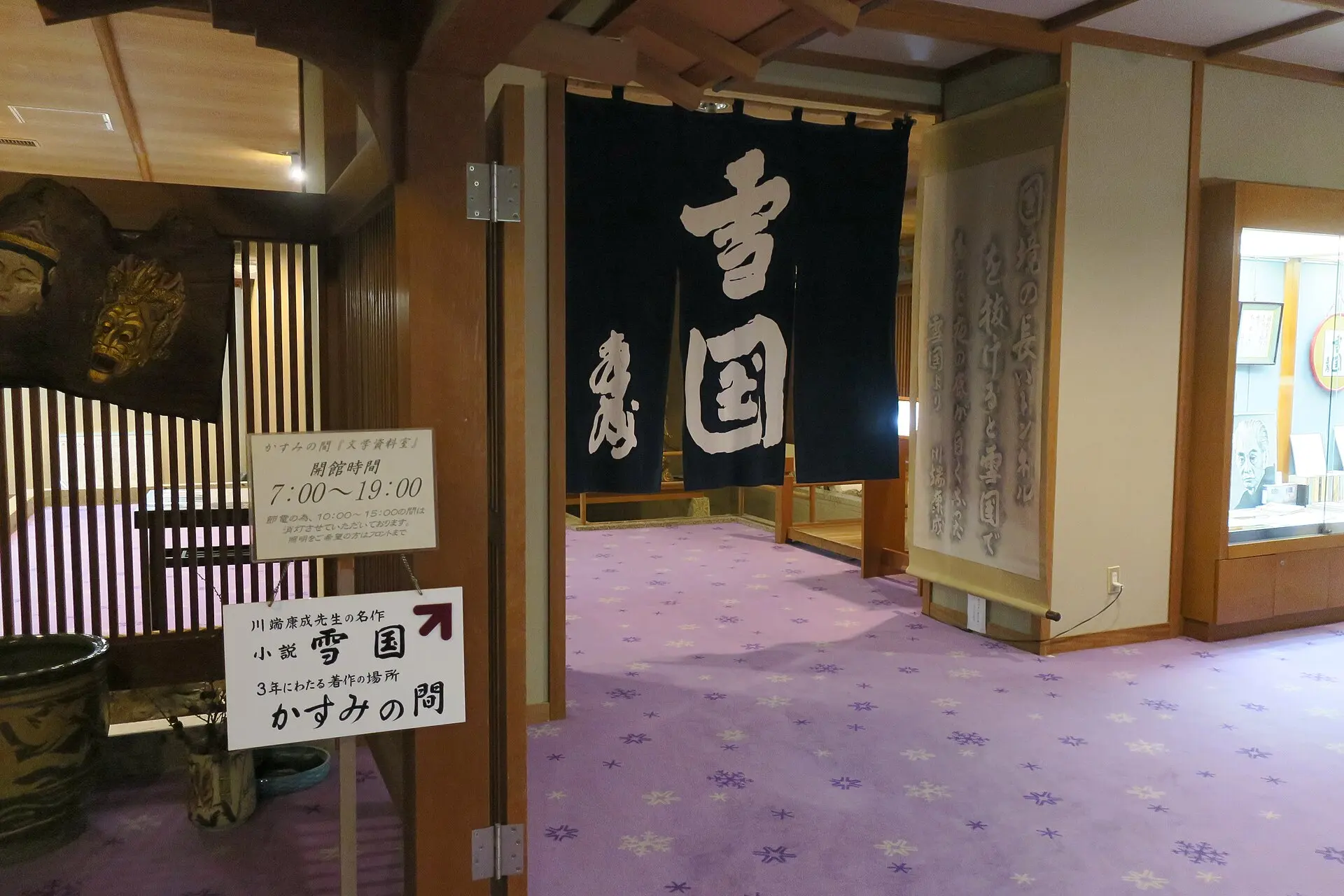 INTERIORNoren at the entrance of a guest room at Takahan ryokan, YuzawaYuzawa, Niigata
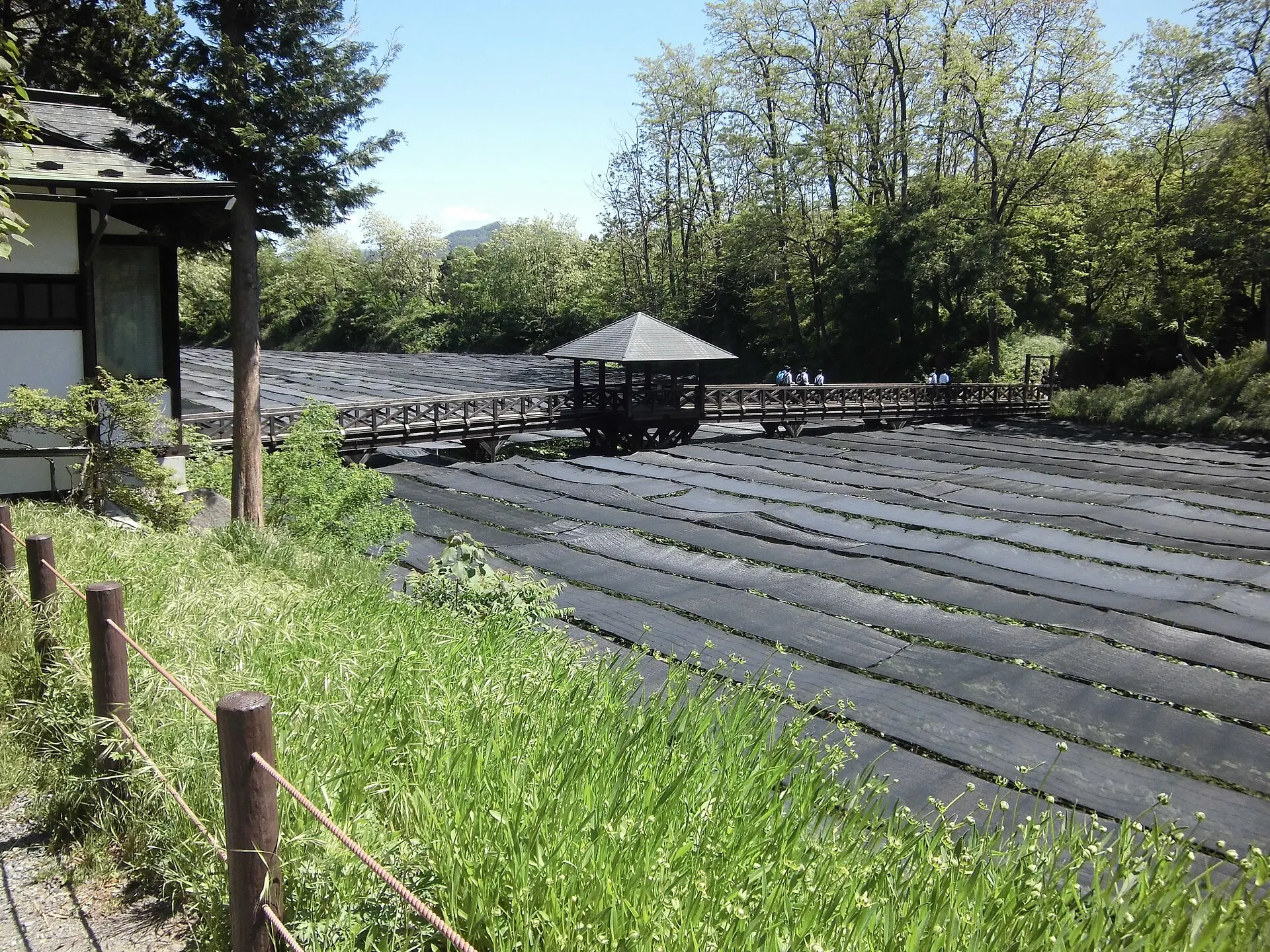 INGREDIENTWasabi fields at Daiō Wasabi Farm, AzuminoAzumino, Nagano
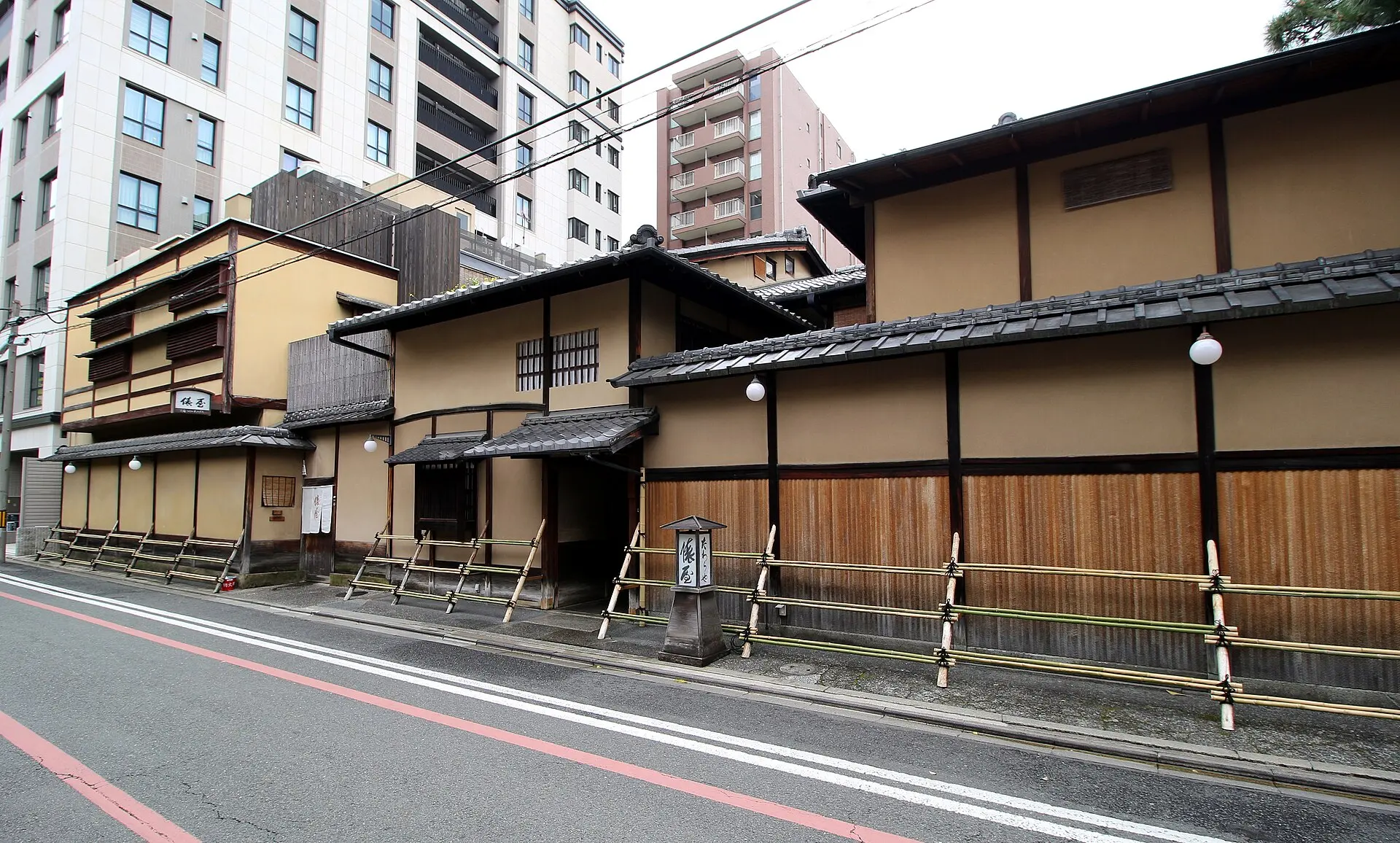 INTERIORTawaraya Ryokan, KyotoNakagyō, Kyoto
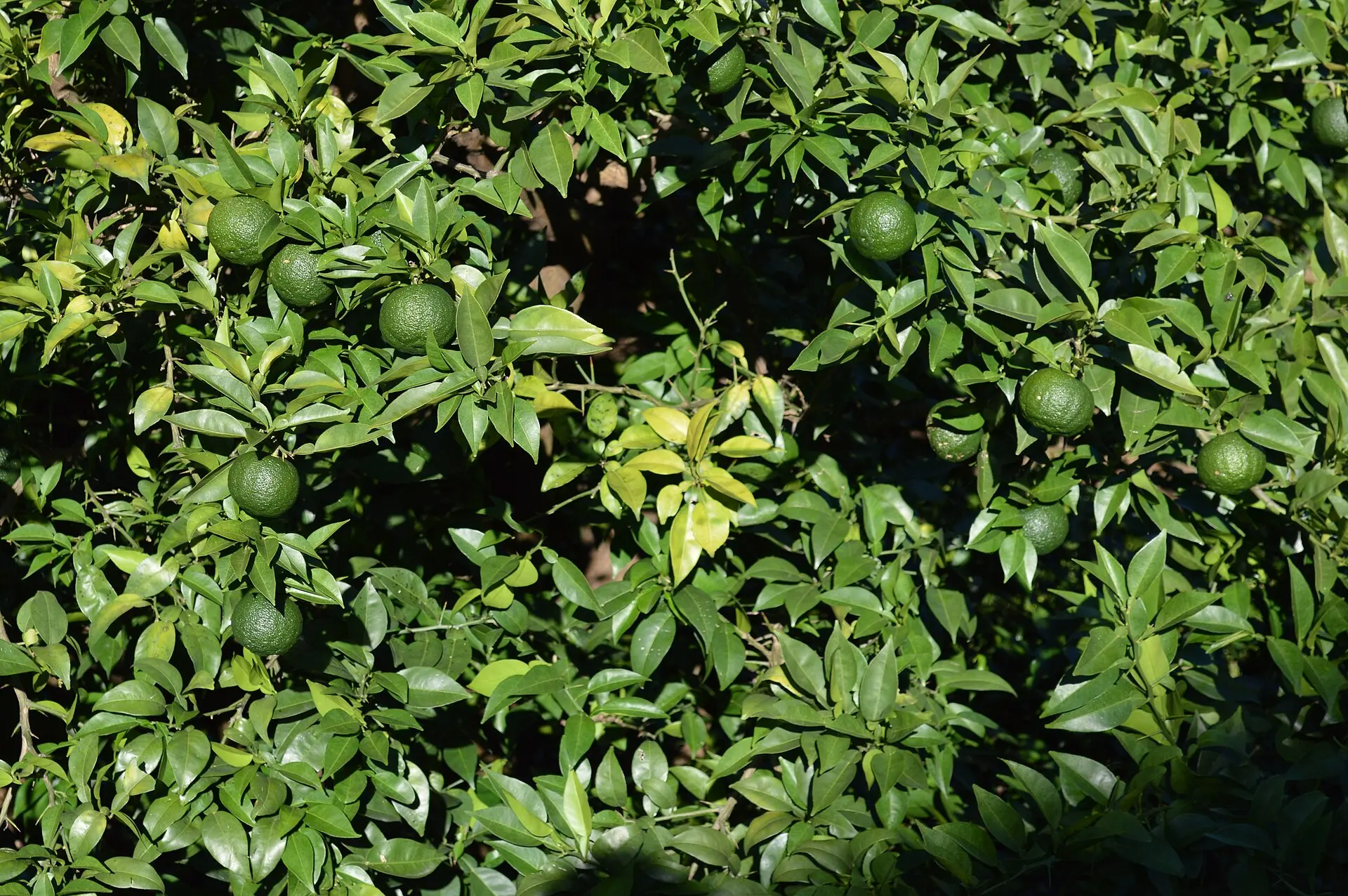 INGREDIENTYuzu orchards in Mizuo, Saga, KyotoMizuo, Kyoto
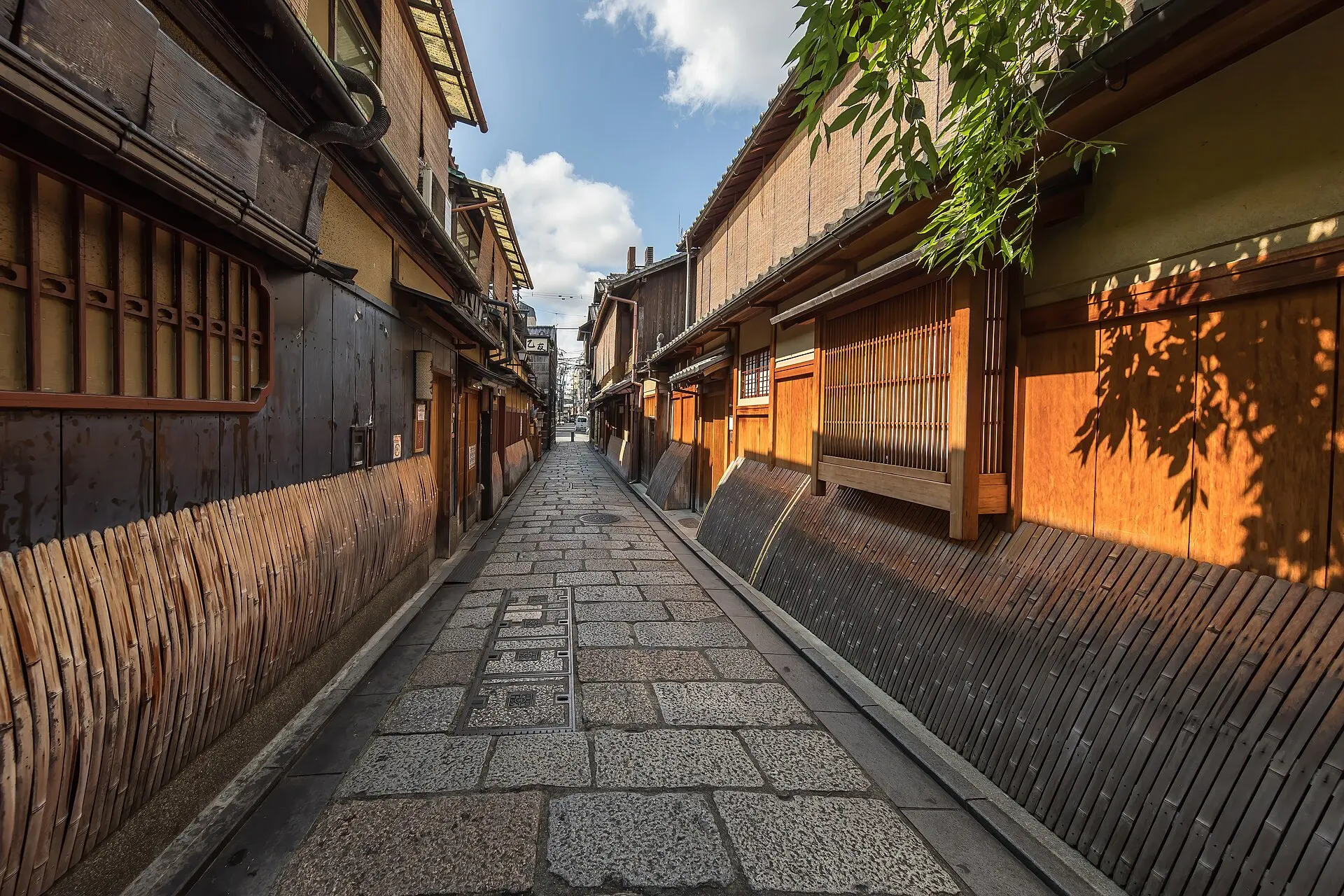 INTERIORWooden and bamboo facades with sudare on a cobbled pedestrian street in GionGion, Kyoto
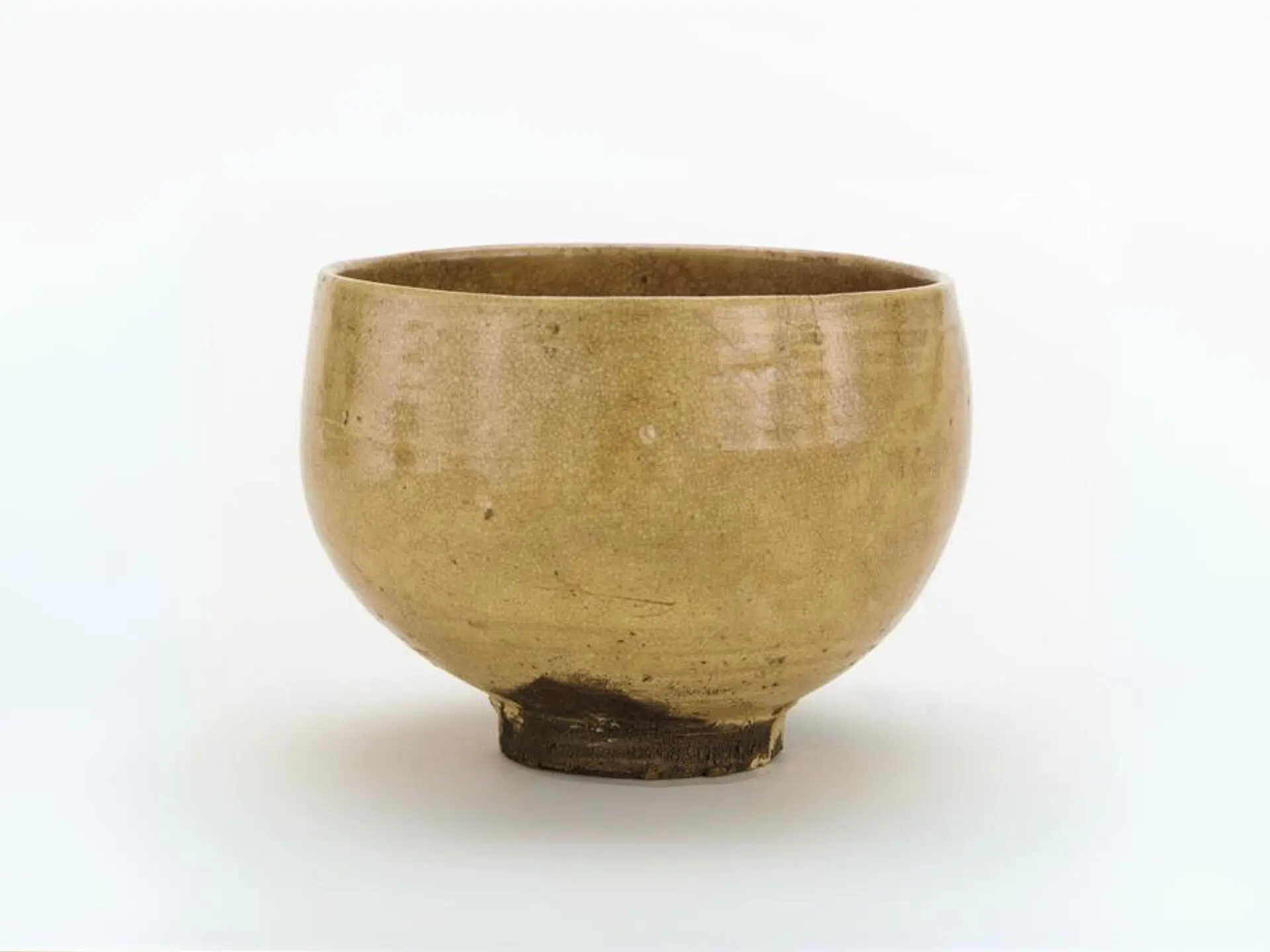
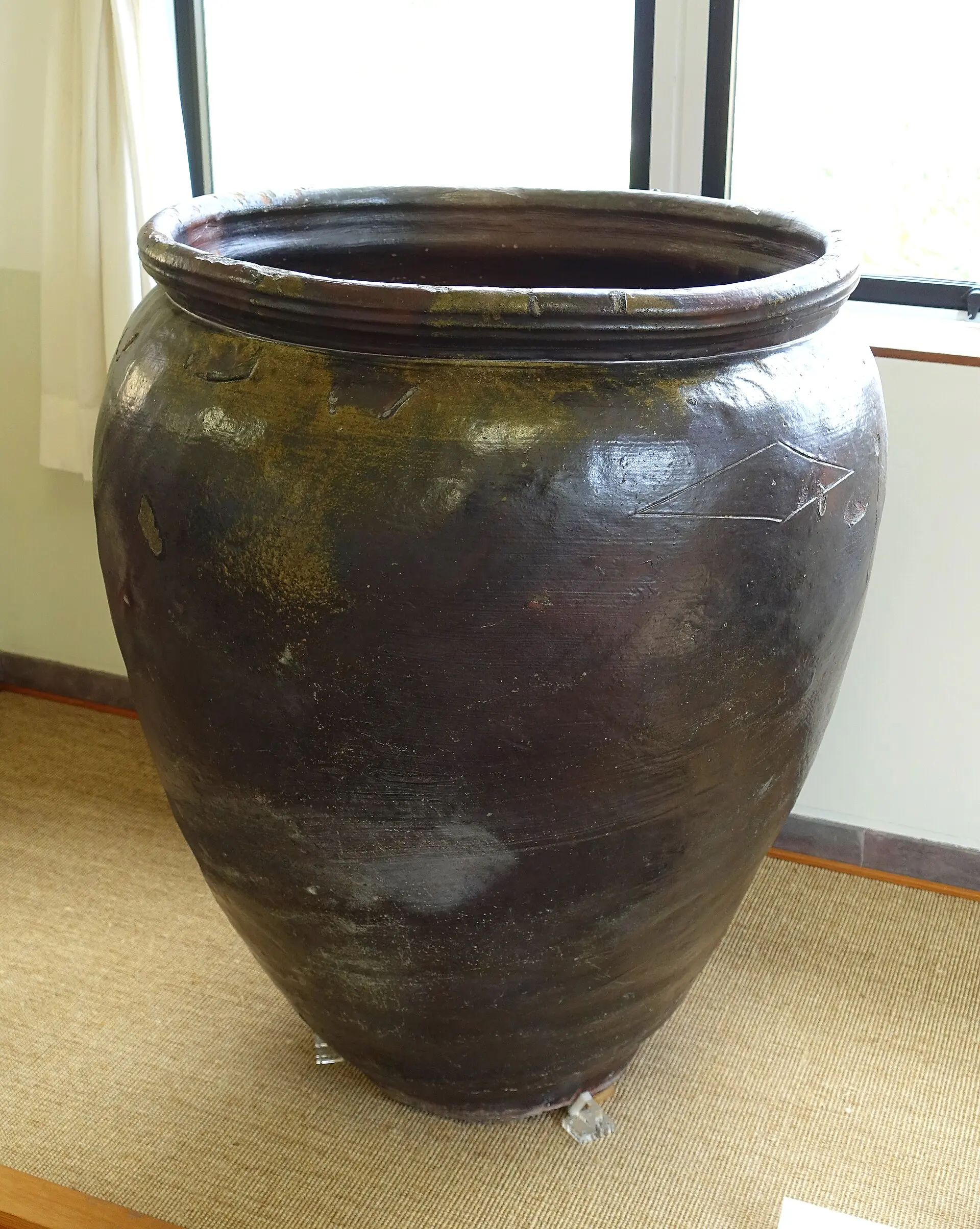 TABLEWARELarge Bizen ware jar, Muromachi period (Hakone Museum of Art)Hakone Museum of Art
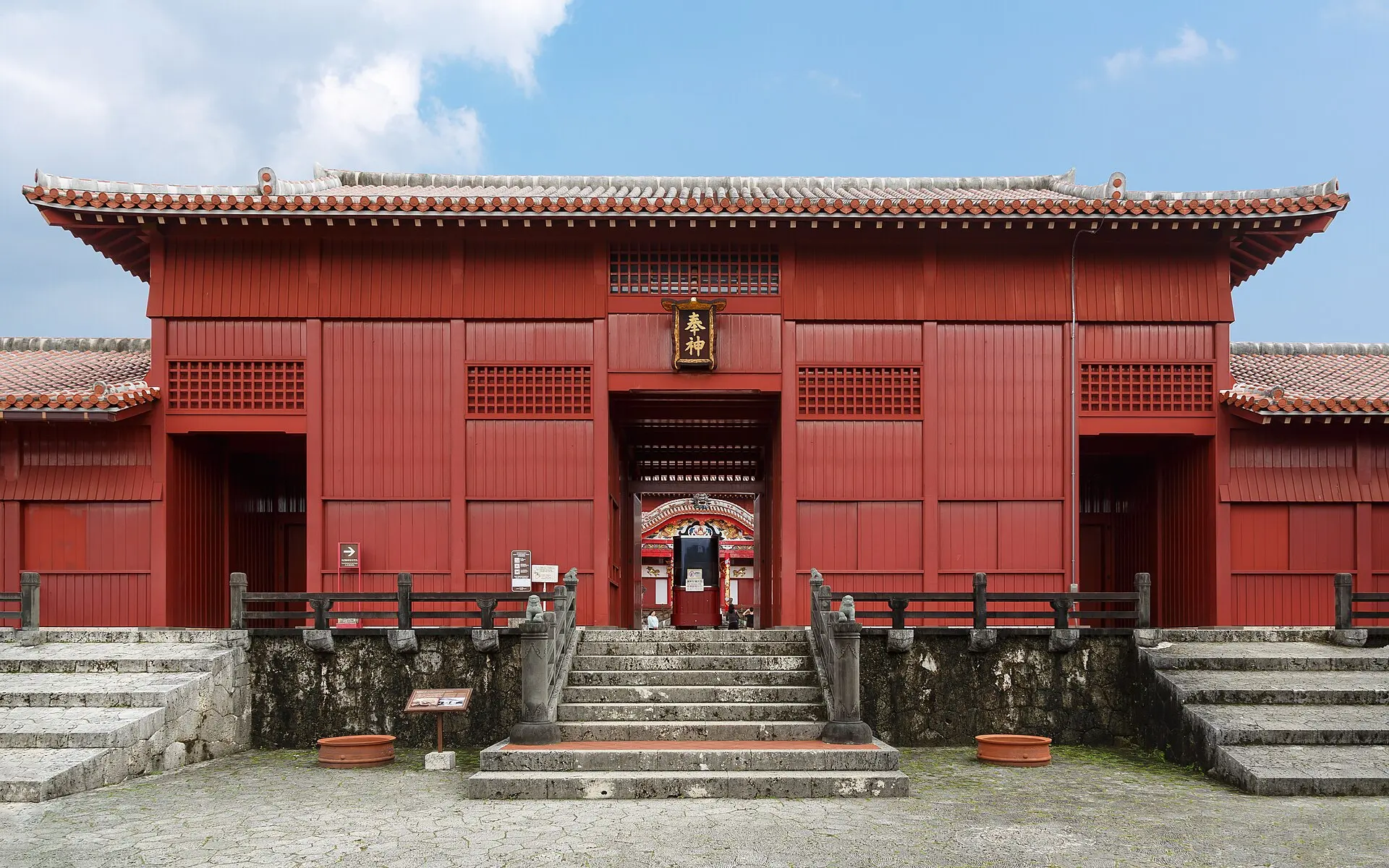 LANDSCAPEHōshinmon gate to the inner court of Shuri Castle, NahaNaha, Okinawa
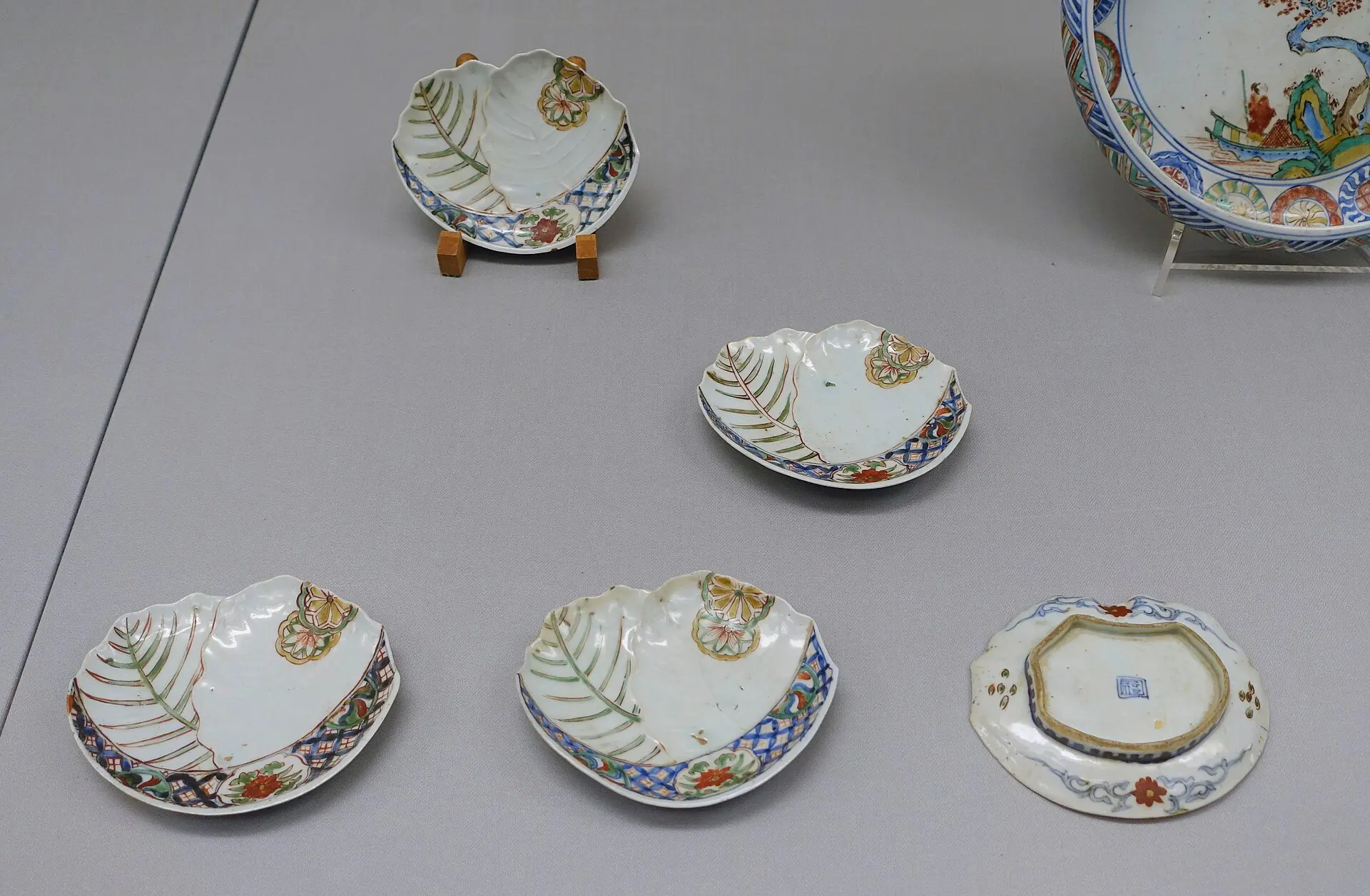 TABLEWARESet of leaf-shaped Imari ware mukōzuke dishes, Edo period (Tokyo National Museum)Tokyo National Museum
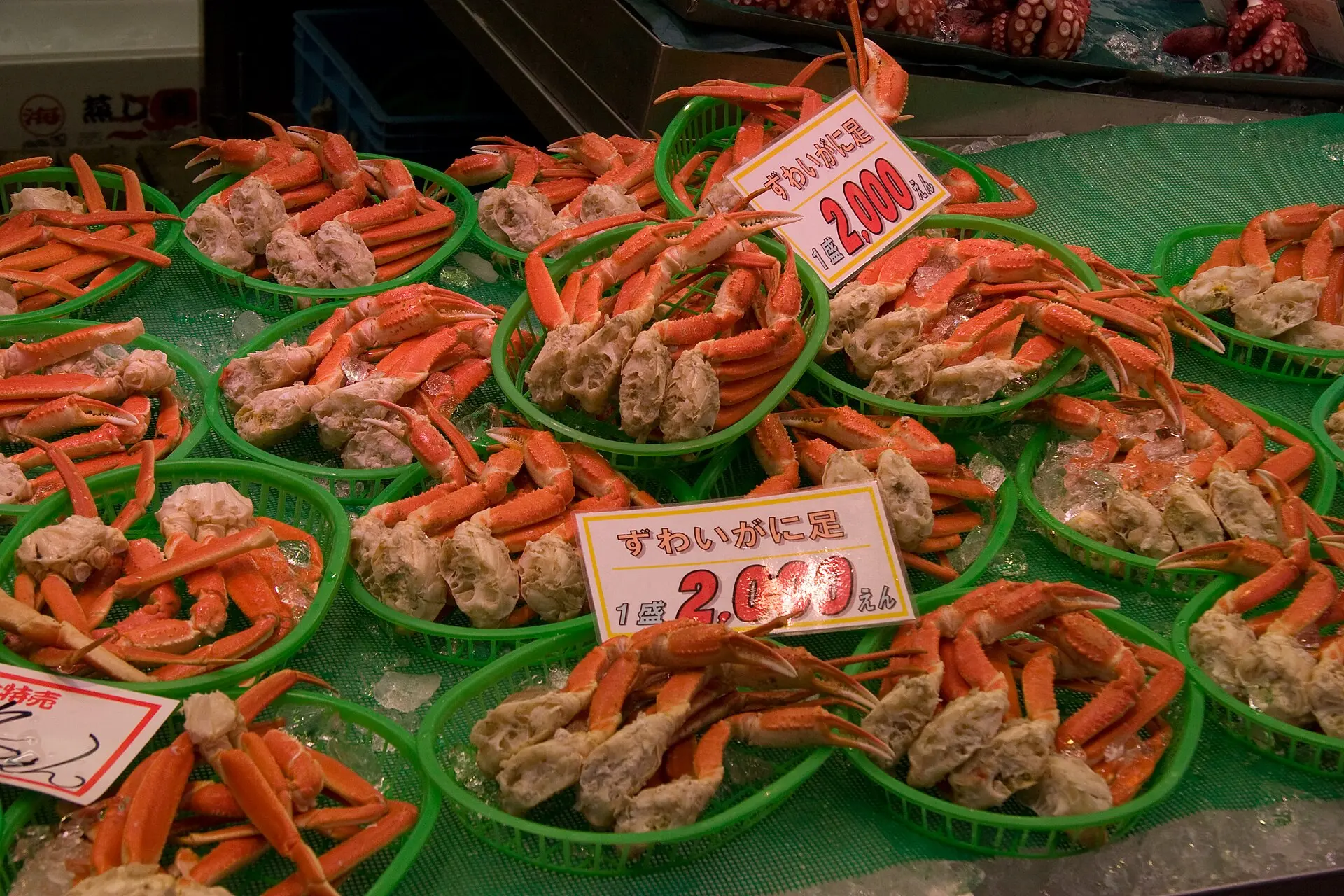 LANDSCAPESnow crabs at Ōmichō Market, KanazawaKanazawa, Ishikawa
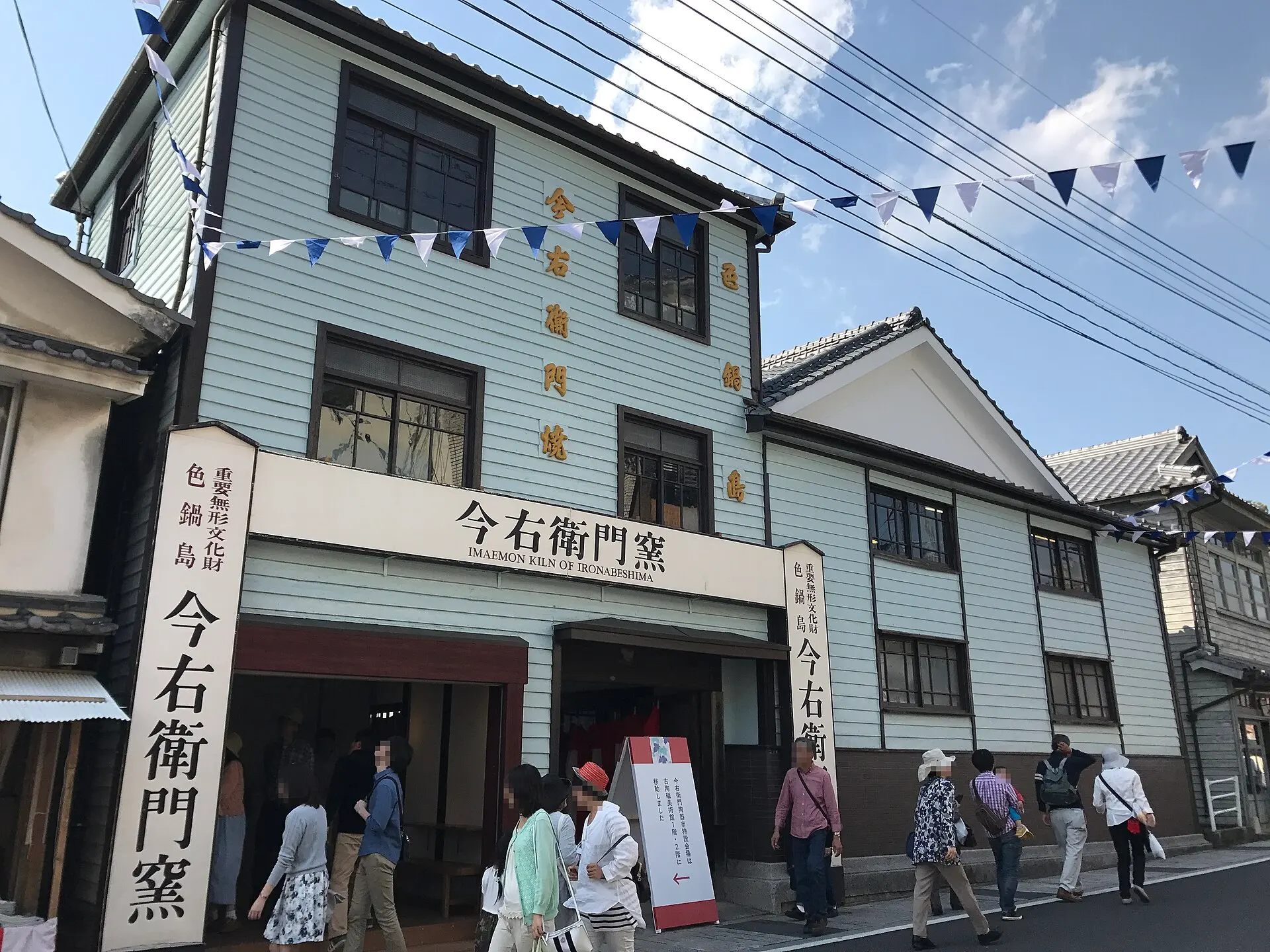 TABLEWAREImaemon kiln of Iro-Nabeshima ware during the Arita Porcelain FairArita, Saga
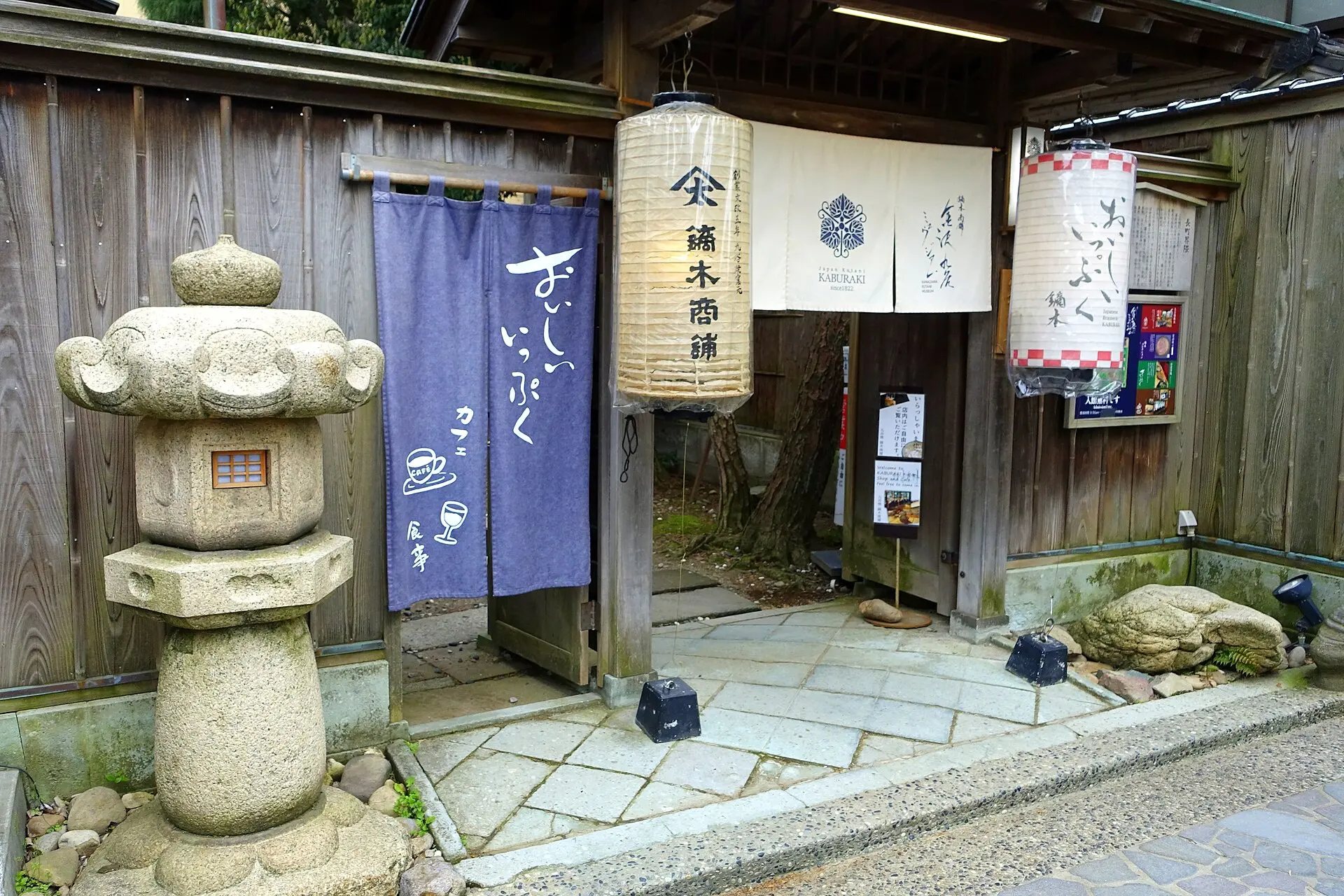 LANDSCAPEKaburaki pottery shop (established 1822) in Nagamachi, KanazawaNagamachi, Kanazawa
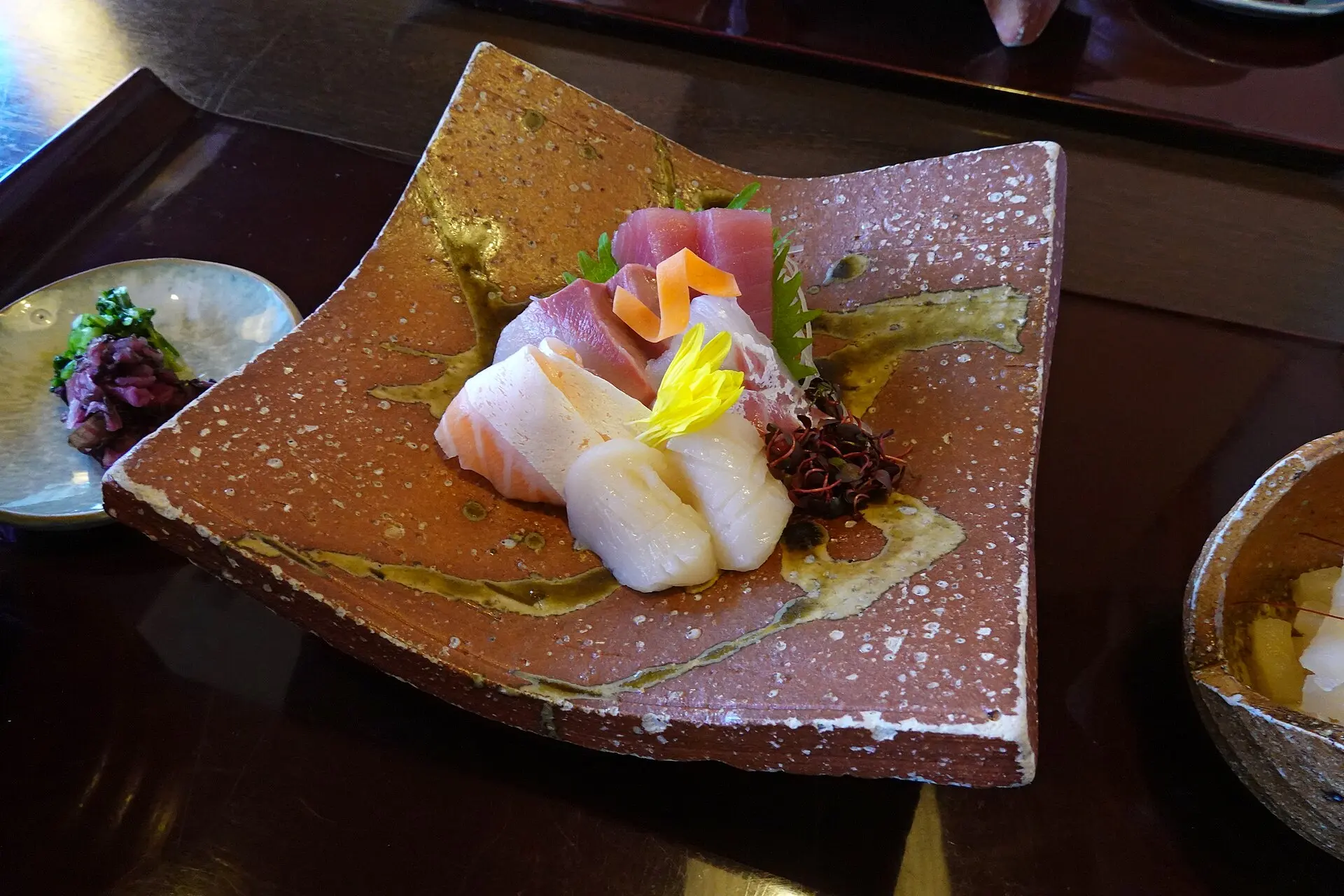 TABLEWARESashimi served on Shigaraki ware, ShigarakiShigaraki, Shiga
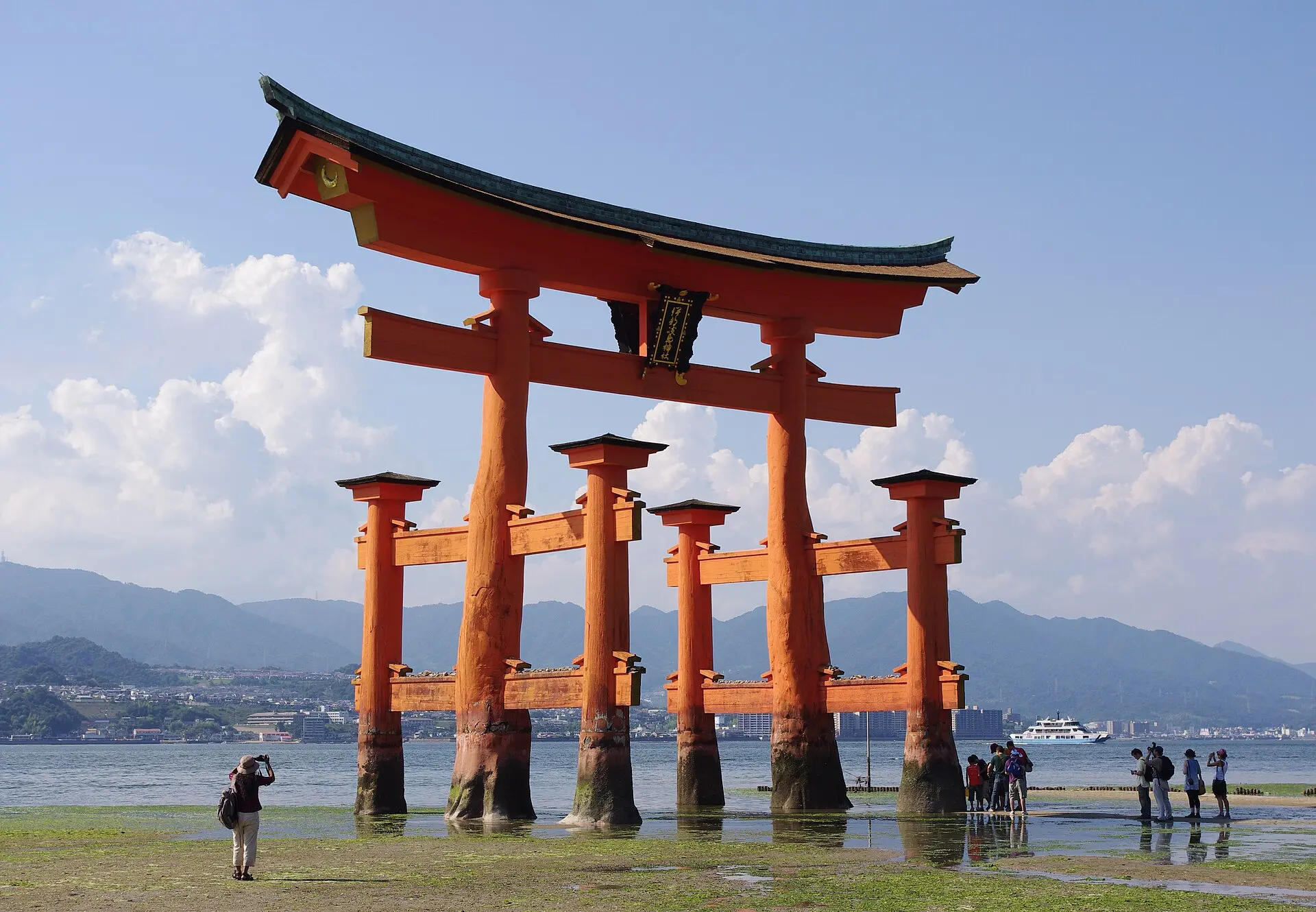 LANDSCAPEThe floating torii of Itsukushima Shrine at low tideMiyajima, Hiroshima
TOKYO, KYOTO, OSAKA, KANAZAWA, HOKKAIDO, FUKUOKA, NARA, KOBE, NAGOYA, HIROSHIMA, OKINAWA
SUSHI, KAISEKI, TEMPURA, FRENCH, KAPPO, YAKITORI, SOBA, UNAGI, ITALIAN, CHINESE, INNOVATIVE
17Index