TABLEWARE
Vessels as landscape
Porcelain, lacquer, glass — the vessel is the other half of the dish.
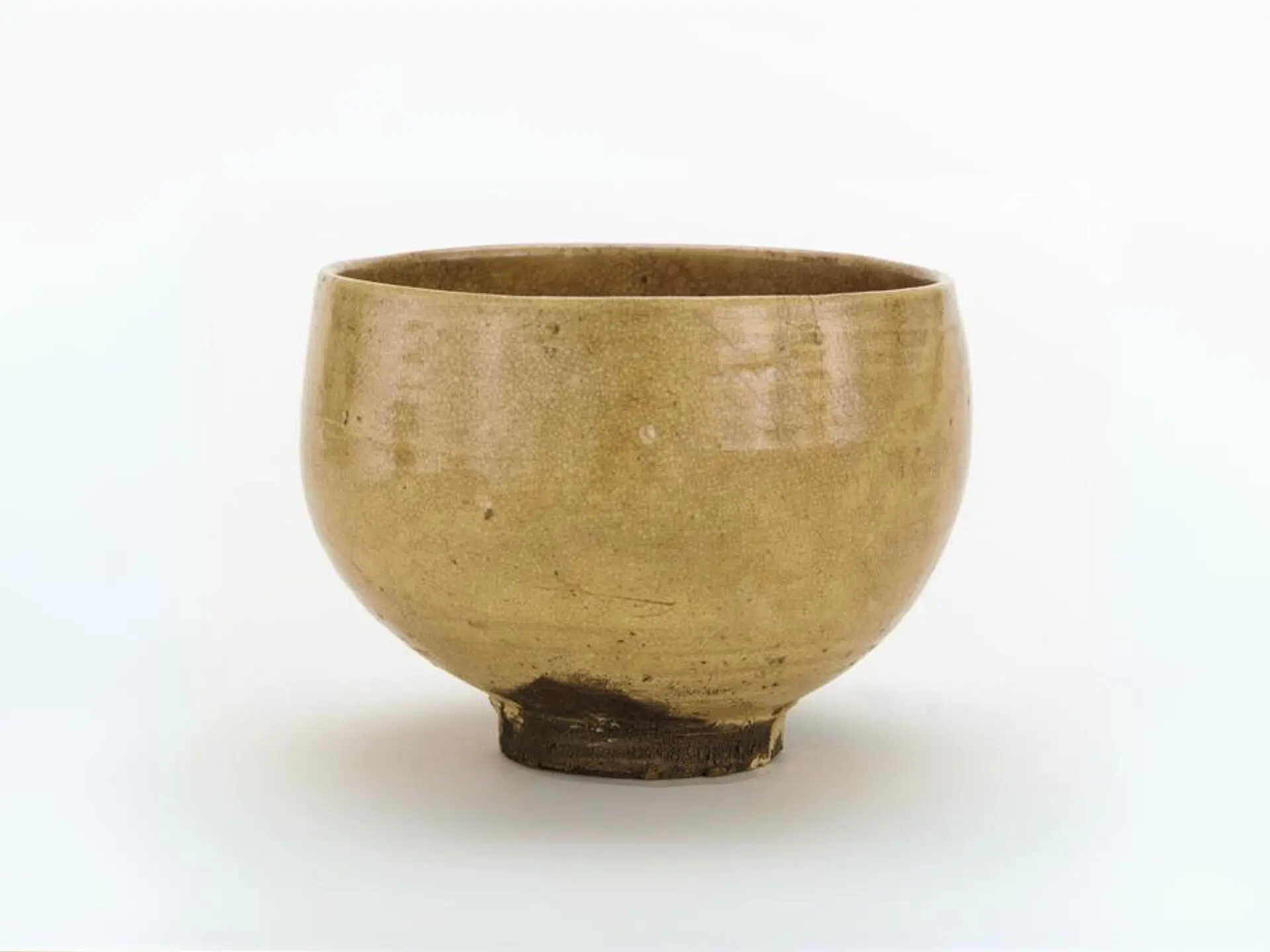
Hagi ware tea bowl, 18th–19th century (Freer Gallery of Art) — Photo: AnonymousUnknown author / Public domain / Wikimedia Commons
At the Japanese table, the vessel speaks as much as the food. Changing vessels to suit the season and the dish is regarded as an essential part of Japanese cuisine.
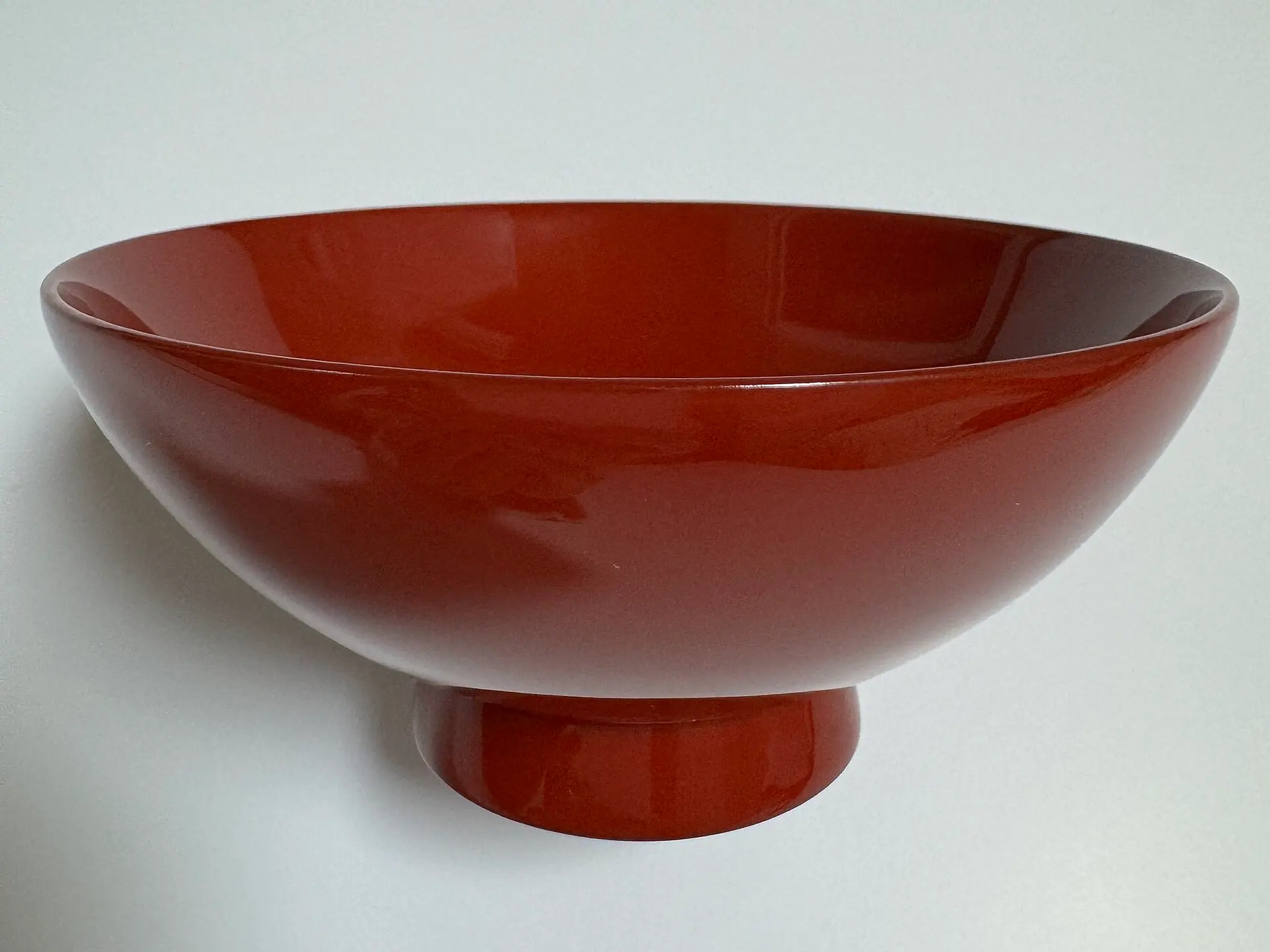
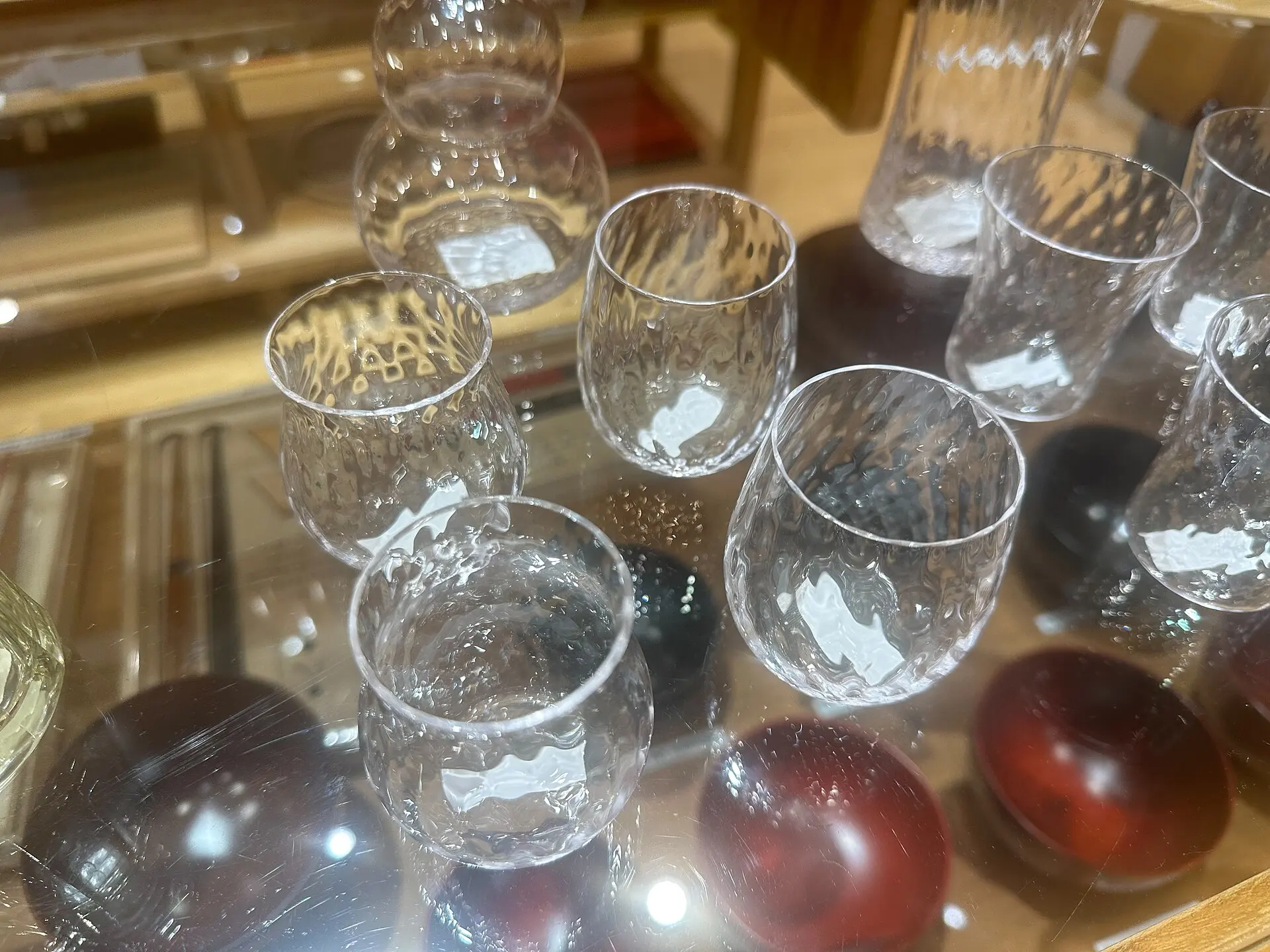
Porcelain such as Arita ware from Saga, lacquerware such as Wajima-nuri from Ishikawa, glass such as Edo kiriko from Tokyo — each material gives the table a different face.
Alongside the food, this archive records the craft culture of the vessels that receive it.
Further reading
Photo credits
Hagi ware tea bowl, 18th–19th century (Freer Gallery of Art)
Photographer / creator
AnonymousUnknown author
Source / licence
Wikimedia Commons · Public domain
AnonymousUnknown author, Public domain, via Wikimedia Commons
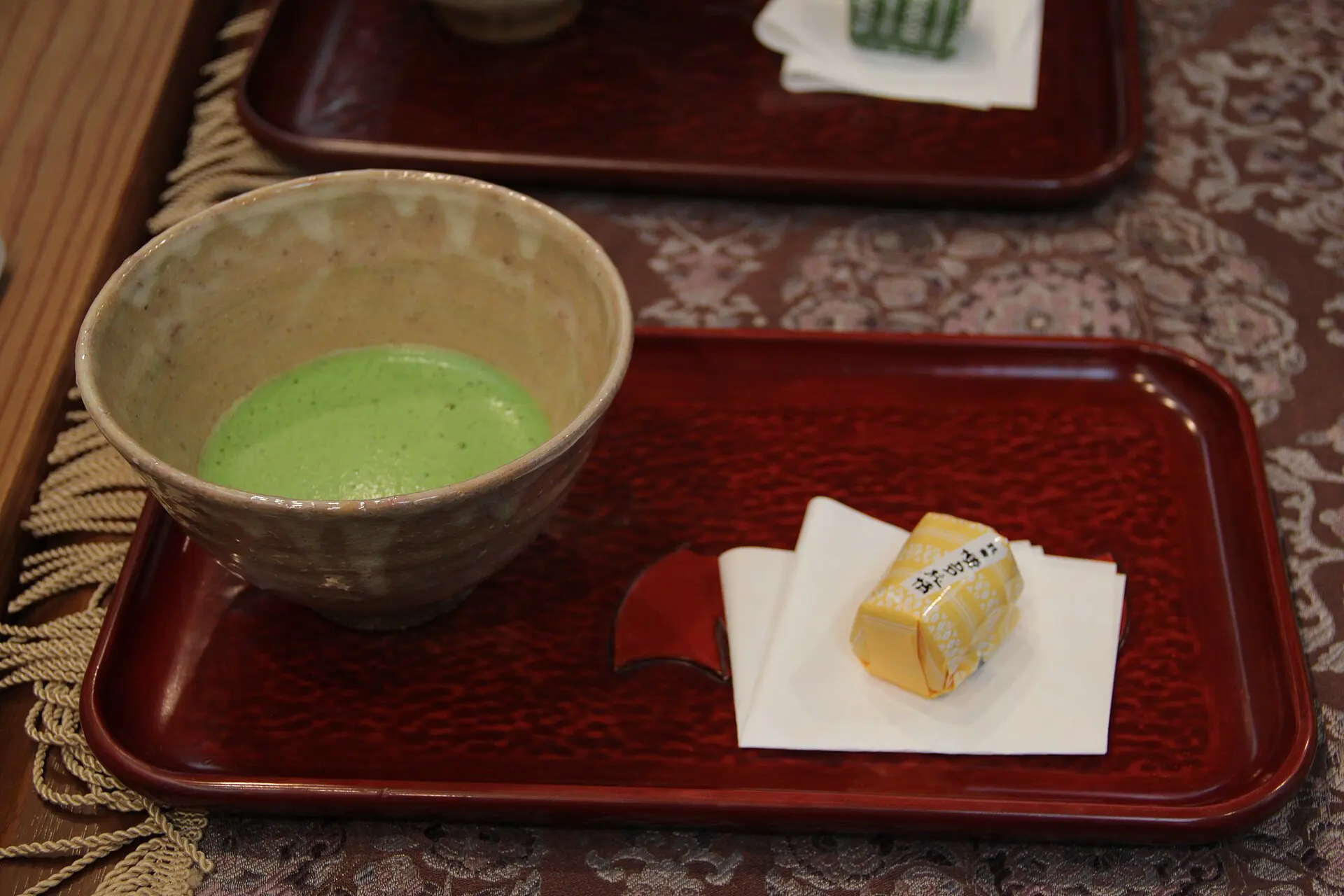
Hagi ware at the studio and gallery of potter Yū Okada, Hagi
Hagi, Yamaguchi
Photographer / creator
Kyle McDonald from Brooklyn, New York, USA
Source / licence
Kyle McDonald from Brooklyn, New York, USA, CC BY 2.0, via Wikimedia Commons
Displayed with colour adjustment
Solid-red Wajima-nuri lacquer rice bowl of Japanese zelkova
Photographer / creator
yuuki ゆうき(金野裕希)
Source / licence
Wikimedia Commons · CC BY-SA 4.0
yuuki ゆうき(金野裕希), CC BY-SA 4.0, via Wikimedia Commons
Displayed with colour adjustment
Edo kiriko cut-glass drinkware
Photographer / creator
Nesnad
Source / licence
Nesnad, CC BY 4.0, via Wikimedia Commons
Displayed with colour adjustment