INGREDIENT
Dashi, the invisible foundation
Kombu and katsuobushi — Japanese flavour begins where you cannot see it.
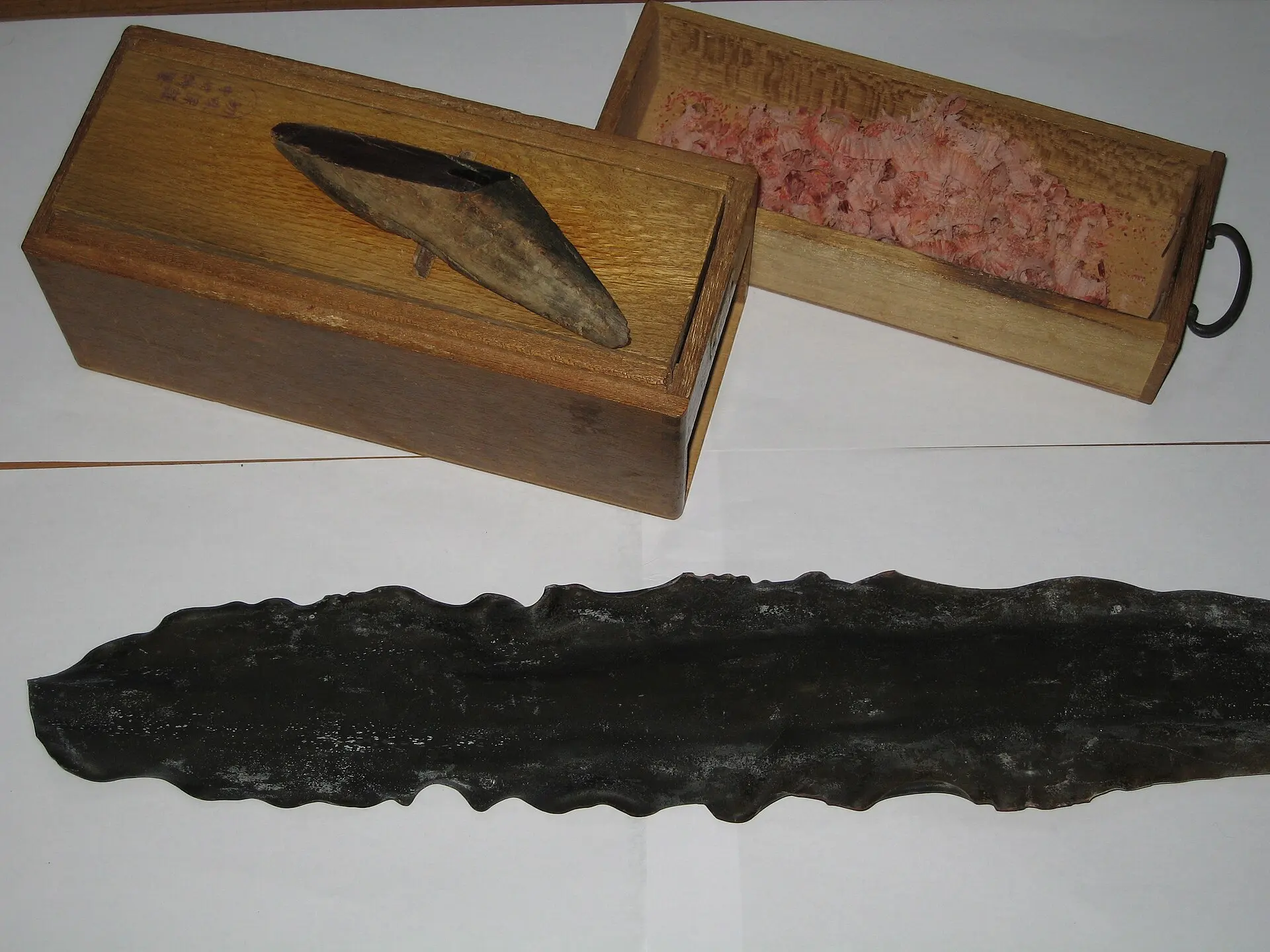
Katsuobushi (dried bonito) and kombu, the two pillars of dashi — Photo: サフィル / CC BY-SA 4.0 / Wikimedia Commons
Dashi is a stock that draws umami from ingredients such as kombu and katsuobushi. Many Japanese dishes — soups, simmered dishes, composed plates — rest on this liquid.
Kombu is dried kelp; katsuobushi is skipjack tuna that has been simmered, smoked and dried. Both keep well, and both are made slowly.
Each cook chooses ingredients, water, temperature and time differently. Within the single word 'dashi' lies each kitchen's way of thinking.
Further reading
Photo credits
Katsuobushi (dried bonito) and kombu, the two pillars of dashi
Photographer / creator
サフィル
Source / licence
Wikimedia Commons · CC BY-SA 4.0
サフィル, CC BY-SA 4.0, via Wikimedia Commons
Displayed with colour adjustment
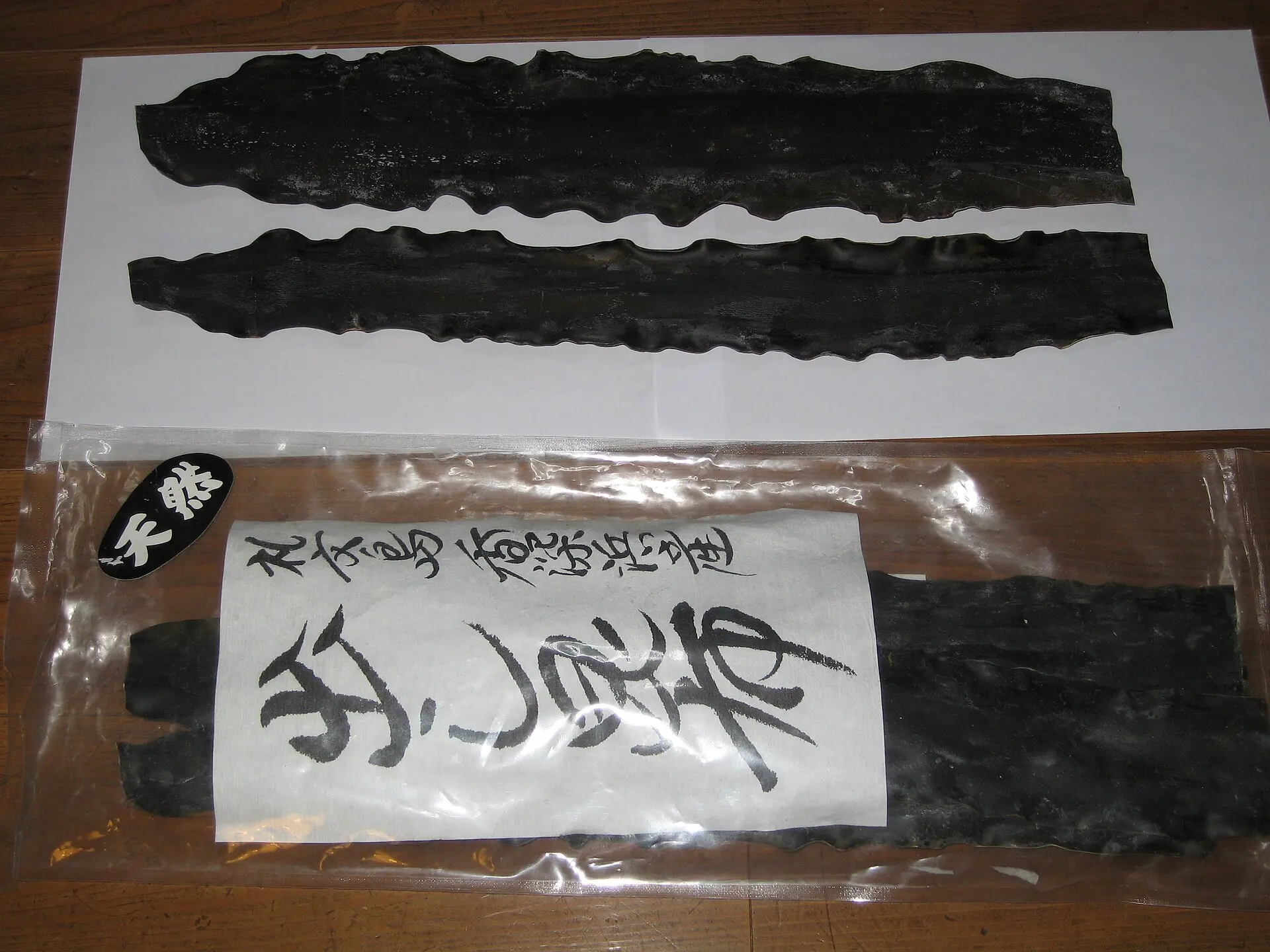
Rishiri kombu (dried kelp) from Kafukahama, Rebun Island
Rebun Island, Hokkaido
Photographer / creator
サフィル
Source / licence
Wikimedia Commons · CC BY-SA 4.0
サフィル, CC BY-SA 4.0, via Wikimedia Commons
Displayed with colour adjustment